

Mumbai: There is something unusually unsettled about the Mumbai Indians in IPL 2026, not just in the results but also in the rhythm of their cricket. A team of their pedigree is unaccustomed to defeat. This season, what stands out is how those losses are happening: games are slipping away slowly instead of quickly, control is given up in phases instead of all at once, and the team seems to be reacting to situations instead of shaping them.
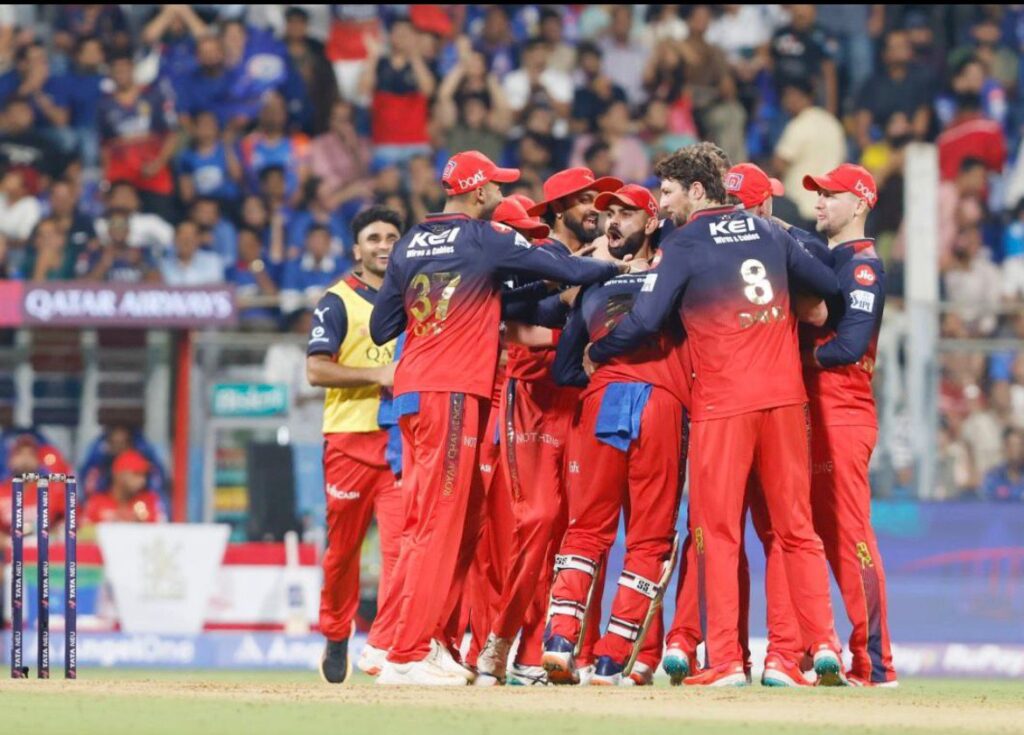
The 18-run defeat to Royal Challengers Bengaluru at the Wankhede was, in many ways, a distilled version of their campaign so far. At a venue where chasing is often considered an advantage, aided by a flat pitch and evening dew, Mumbai found itself outplayed by a side that understood how to dictate conditions rather than depend on them. RCB’s 240 was not just a high total; it was constructed with intent across phases. Powerplay acceleration, middle-overs continuity, and a clinical finish. Mumbai, in contrast, was never quite in command of any phase long enough to influence the direction of the game.
A bowling unit that has been having trouble working together is at the centre of this drift. Jasprit Bumrah is still their most reliable bowler, but he is also a symbol of their bigger problem. He has mostly executed his plans and controlled his economy, but the lack of wickets has made his impact more about containment than disruption. In T20 cricket, keeping the other team from scoring without getting any runs usually doesn’t change the flow of the game.
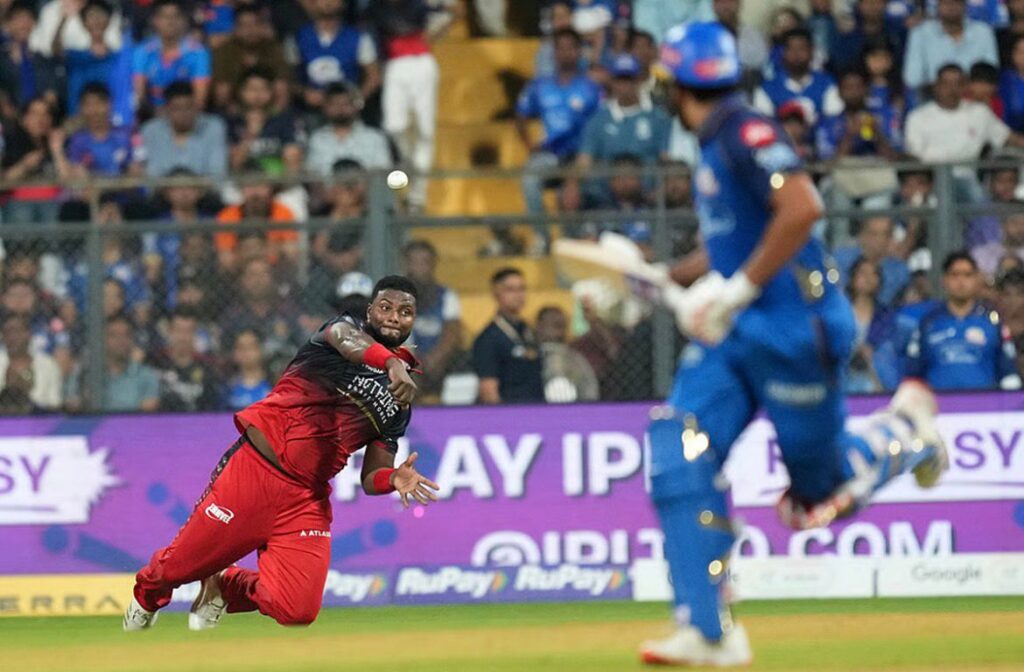
More revealing, however, is what has happened at the other end. Trent Boult, historically a new ball enforcer, has not provided early inroads. The spin department, instead of tightening the middle overs, has often allowed scoring to flow. The numbers reflect this imbalance starkly, with high averages, elevated economy rates, and a wicket count significantly lower than competing teams. Mumbai’s bowlers are not individually ineffective; rather, they are failing to function as a cohesive unit capable of building and maintaining pressure.
This lack of pressure has had a chain reaction. Without wickets, the other team’s batters can get comfortable. Without dot-ball sequences, risk is no longer a requirement. As a result, the game progresses at the pace set by the opposing player. Mumbai’s bowlers often have to defend totals or situations that have already gone against them, which leads to those disastrous overs where they give up 20 or more runs. Against RCB, these overs weren’t just one-time mistakes; they were repeated breaks that made the game impossible to win.
The batting hasn’t fallen apart, but it has shown this lack of unity. There have been performances of quality. Sherfane Rutherford’s late assault, cameos from Hardik Pandya, and promising starts at the top. But these contributions have remained fragmented. There hasn’t been one partnership or inning that has dominated the game from start to finish. In games with many points, especially when you’re trying to catch up to totals over 200, consistency is more important than bursts of brilliance. Mumbai has had the latter but not the first. Because of this inconsistency, the chase starts with hope, slows down under pressure, and speeds up too late to change the outcome.
Hardik Pandya’s comment that the team is “catching up” instead of leading is probably the best way to put it. It shows a change in both how things are done and how people think. Teams that are ahead set the pace, while teams that are behind have to make changes. When that pattern happens in a lot of matches, it starts to shape the team’s identity in the tournament. Mumbai is known for taking on stress and releasing it, but now it seems they’re holding it longer than they want to.
Strategically too, there are questions emerging. The reliance on chasing, even in conditions that have not consistently supported it, suggests a need for recalibration. The margins in T20 cricket are often narrow, but they are rarely accidental. They are created through small sequences, two tight overs, a wicket at the right time, and a partnership that bridges phases. Mumbai is losing these sequences with regularity. Not dramatically, but steadily enough for games to drift away.
Still, despite all the worries, it feels like the tide isn’t getting worse but rather out of sync. The bowling attack’s quality, the batting depth, and the leadership experience are all still there. What is lacking is alignment: between bowlers, phases, and actions. Once that alignment is found, it can change a season very quickly.
The IPL’s long league structure makes it possible to make these kinds of changes. Once you get your momentum back, it tends to build. For the Mumbai Indians, the next step doesn’t require them to reinvent themselves; instead, they need to rediscover pressure as a group tool, partnerships as the foundation of batting, and control as a permanent state rather than a temporary one.
The concern is real, but so is the possibility.
History shows that Mumbai Indians are rarely defined by their beginnings. They are defined by how they respond!


