

Rajasthan: At a time when climate change is making farming increasingly uncertain, a quiet transformation is taking shape in the Vagad region of southern Rajasthan. Here, marginal farmers — long dependent on erratic monsoons and single-crop farming — are gradually shifting towards crop diversification, natural farming, and integrated livelihoods. This change is not just improving incomes; it is strengthening food security and reducing dependence on external inputs.
For years, farmers in this region struggled with a familiar set of challenges. Rainfall was unpredictable, groundwater levels were falling, input costs were rising, and markets remained uncertain. Most farmers depended on a single crop, usually maize. When that crop failed, the entire year’s income collapsed. The shift began with the intervention of Vaagdhara, a grassroots organisation working in the region. Through its programme known as Sachchi Kheti, it introduced farmers to a different way of farming — one that works with nature rather than against it.
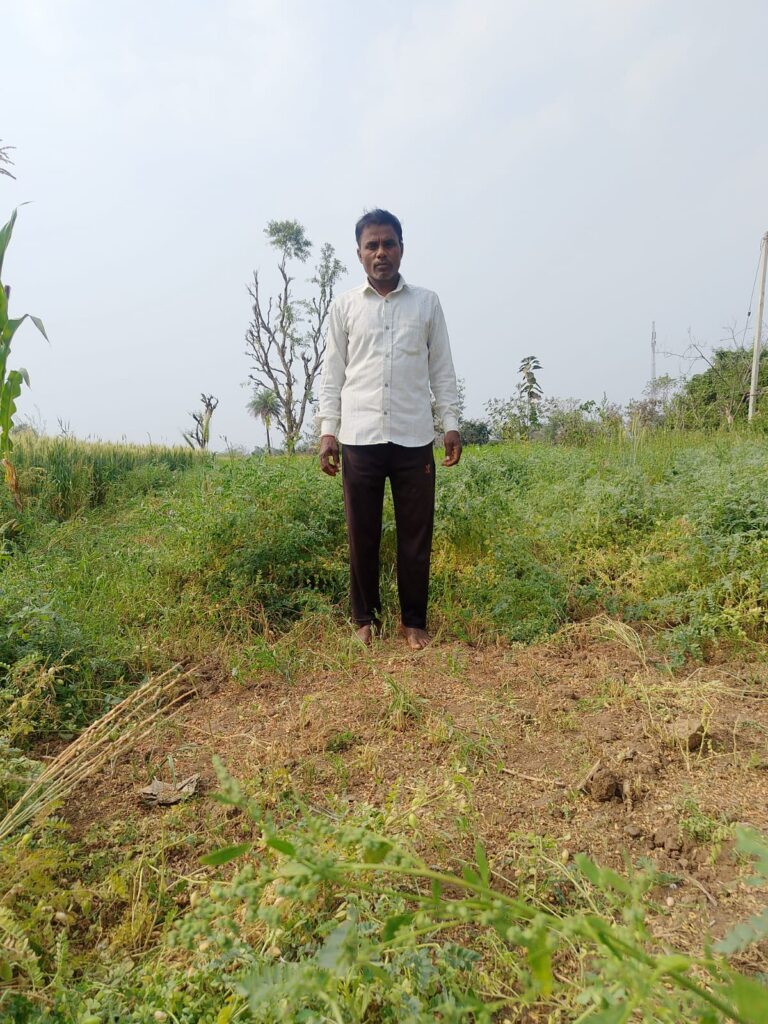
Farmers were trained to prepare bio-fertilisers such as jeevamrit and ghanjeevamrit, and to use natural pest control methods. Gradually, this reduced their dependence on chemical fertilisers and pesticides. For many small farmers, this meant relief from a cycle of rising costs and debt. One of the most important changes has been the role of women. Traditionally, women have always been central to farm labour — from sowing to harvesting — yet they had little say in decisions. Vaagdhara’s approach consciously brought women into the decision-making process. Women’s groups were formed, training was provided, and today many women actively participate in farming decisions and village meetings.
Kitchen gardening has become a key part of this shift. Families that once depended on the market for vegetables now grow their own food. This has improved both nutrition and household savings. The impact of this transition can be seen in the story of Bahadur Charpota from Kudli village. A few years ago, his situation was similar to that of many others — four bighas of land, complete dependence on monsoon rains, and very limited income. After joining the Gram Swaraj group supported by Vaagdhara, Bahadur changed his approach to farming. Instead of relying on a single crop, he adopted a diversified model. Today, he cultivates vegetables and fruit crops, while also maintaining livestock such as goats and dairy animals. This diversification has transformed his income. From the same four bighas of land, he now earns around ₹1.2 lakh annually.
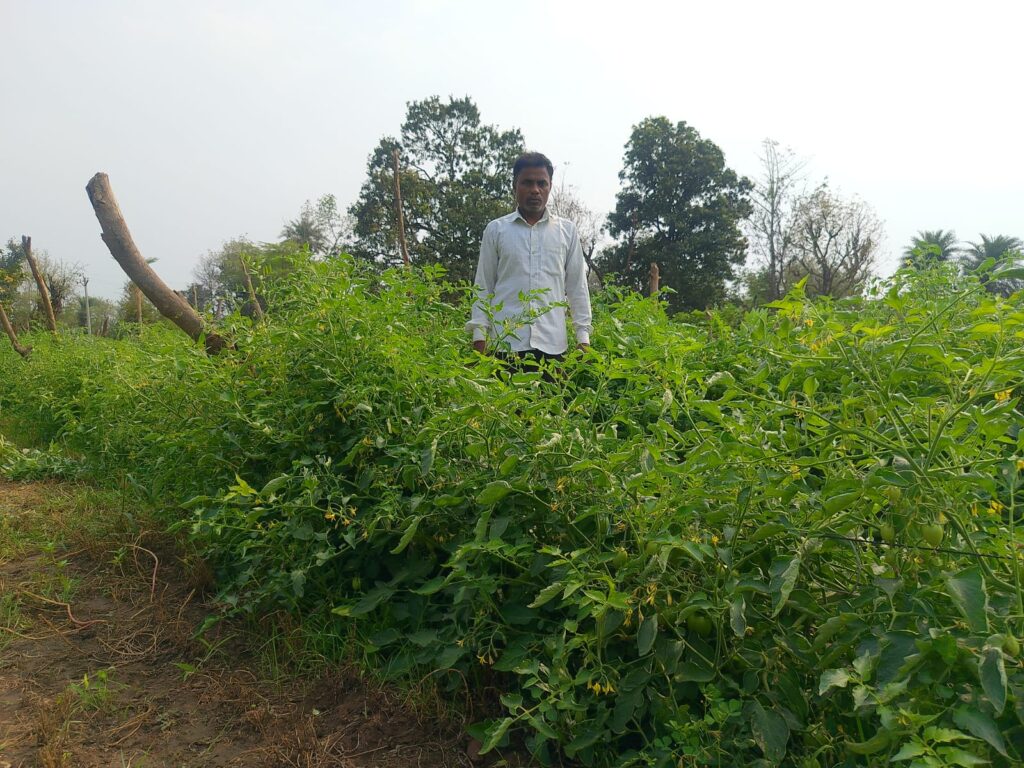
Bahadur explains the change in simple terms. Earlier, the family waited for rain and managed with whatever the land produced. Now, if one crop fails, another supports them. There is milk, there are vegetables, and there are goats — income no longer depends on a single source. His wife, Asha Charpota, points to another important change. Earlier, the family had to buy vegetables from the market. Now they grow their own food. This has reduced expenses and improved the quality of their diet. The family also feels more secure, both economically and nutritionally. Before this shift, monoculture farming exposed farmers to high levels of risk. A single crop failure could wipe out an entire year’s income. Crop diversification has reduced this vulnerability. Farmers now grow pulses, vegetables, fruits, and even medicinal plants, creating multiple streams of income.
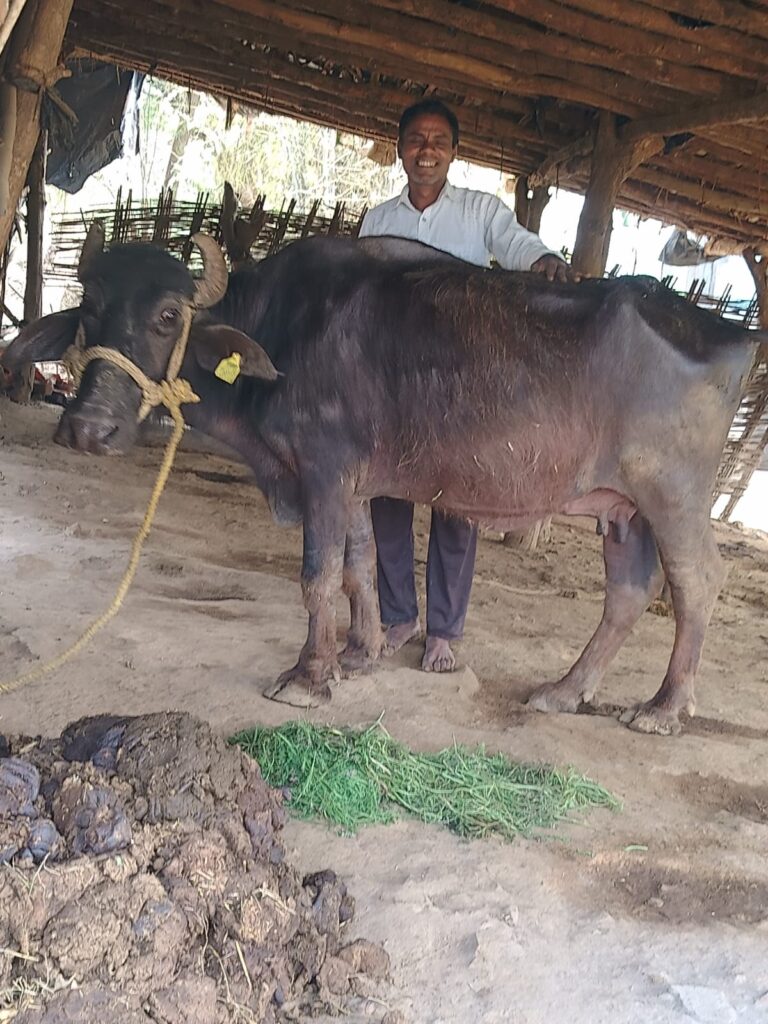
At the same time, these practices are improving soil health. Leguminous crops help fix nitrogen in the soil, while mixed cropping supports different soil layers. The use of bio-fertilisers is restoring the biological strength of the land. Livestock has emerged as an important support system in this model. Goat rearing, in particular, requires relatively low investment and provides a steady source of income. It also strengthens the farming cycle, as animal waste is used as organic fertiliser in the fields.
The combined effect of these changes is visible. Input costs have come down, incomes have stabilised, and dependence on external markets has reduced. More importantly, farmers now have a degree of control over their livelihoods. The experience of farmers in Vagad offers an important lesson at a time when agriculture across India is under stress. Farming cannot remain dependent on a single crop or on high-cost chemical inputs. It needs to diversify, adapt to local conditions, and integrate crops with livestock.
This is not a story of sudden success. It is a story of gradual change, built through knowledge, collective effort, and trust in natural systems. As Bahadur Charpota says, the lesson is simple — work with nature, not against it. In a time of deep agrarian distress, such models do not just offer hope. They offer a practical path forward.
(Author Vikas Parsaram Meshram works in rural development, livelihood promotion, and community empowerment. He writes development-focused articles and case studies that bring grassroots realities into the policy conversation.)


