X: @vivekbhavsar
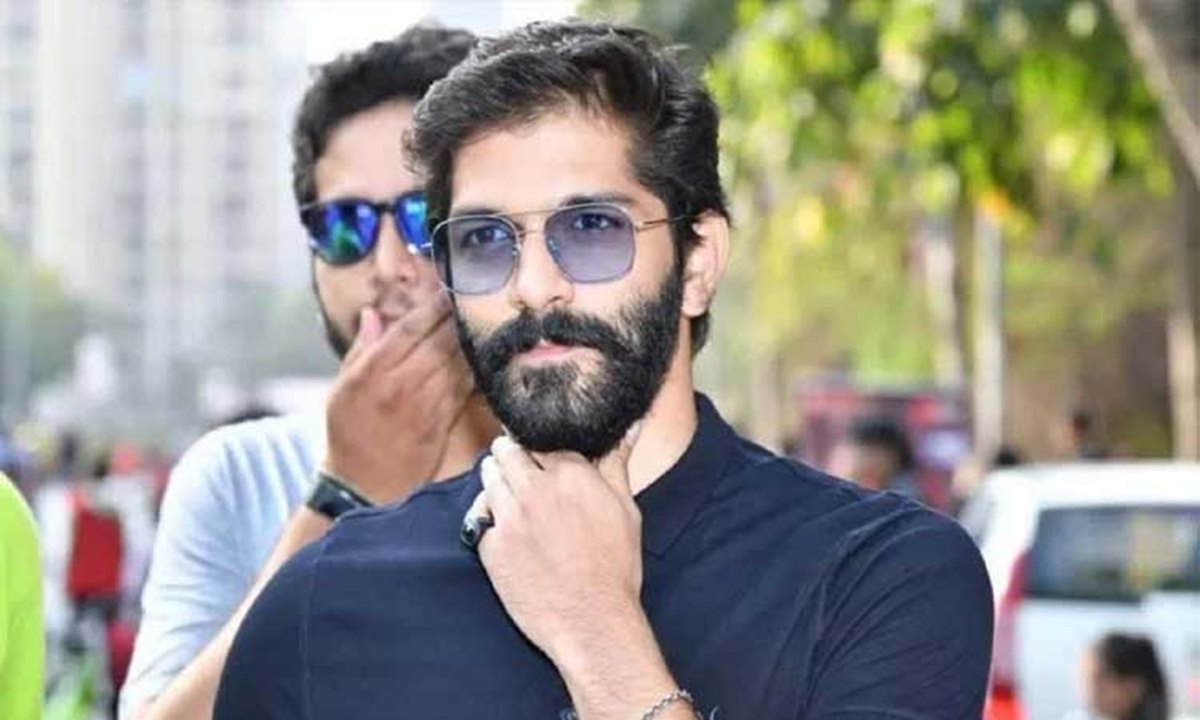
Mumbai: In a significant departure from his father’s stance, Maharashtra Navnirman Vidyarthi Sena (MNVS) President Amit Thackeray has dismissed the claim that Electronic Voting Machines (EVMs) were responsible for his party’s defeat in the 2024 Maharashtra Assembly elections. His father, MNS chief Raj Thackeray, had openly questioned the election results, alleging that EVMs were manipulated to favour the BJP. However, Amit took a more introspective approach, emphasising internal factors that led to MNS’s poor performance.
At a party meeting on Saturday, Amit stated, “Whatever my father’s opinion on EVMs may be, I do not believe that we lost the election because of EVM. There are other reasons why we could not secure victory.”
He urged party leaders to reflect on the reasons behind the party’s defeat. “Do we lack a strong grassroots presence? Did we fail to connect with the people? Or were we simply overconfident?” Amit questioned, highlighting the need for a reality check within the MNS.
Amit, who contested from Mahim, faced a humiliating defeat against UBT Sena’s Mahesh Sawant, finishing in third place. His loss was part of a larger electoral debacle for the MNS, which struggled to make any significant impact despite its past successes.
None of the 125 candidates fielded by the MNS, including Raj Thackeray’s son Amit, could secure a victory in the 2024 state assembly elections, which were swept by the BJP-led Maha Yuti.
Raj Thackeray had described the poll results as “unbelievable.”
The MNS, which won 13 seats in its debut electoral contest in 2009, riding on the sons-of-the-soil sentiment, has seen a steady decline since then. In the 2014 and 2019 assembly elections, the party managed to win just one seat each.
Raj Thackeray’s Allegations: A Different Narrative
In contrast, Raj Thackeray took a hardline position, raising concerns about the electoral process. Addressing MNS workers at the National Sports Club of India last month, he pointed to several anomalies that, in his view, undermined the credibility of the results.
One such example was MNS candidate Raju Patil, who, despite having a strong voter base in his village, reportedly received zero votes—an implausible scenario that Raj Thackeray cited as evidence of possible manipulation.
Raj also noted the unusually subdued atmosphere across Maharashtra on the day of the election results. According to him, an RSS member had pointed out the lack of celebratory processions, which Raj interpreted as a sign that even supporters of the winning parties were sceptical about the outcome. His claims aligned with the broader opposition narrative questioning the reliability of EVMs.
The Political Divide: Pragmatism vs. Protest
Amit’s response to his father’s allegations marks a clear generational and strategic divide within the MNS. Raj Thackeray has built his political brand on aggressive rhetoric, high-voltage public addresses, and sharp criticism of the ruling dispensation. His stance on EVMs fits within this broader strategy of challenging the establishment.
In contrast, Amit’s refusal to blame EVMs suggests a more pragmatic approach—one that acknowledges deeper organisational and strategic weaknesses. His statement signals an understanding that MNS’s electoral downfall was not merely due to external manipulation but also internal failures, including a lack of grassroots mobilisation, ineffective candidate selection, and the party’s diminishing influence in key urban centres like Mumbai.
A New Path for MNS?
The meeting at Amit’s office at “Rajgad” attended by 50 of the 70 key MNS leaders from Mumbai, was a crucial moment for the party. His remarks indicate an attempt to shift MNS’s strategy from protest politics to introspection and restructuring. Rather than focusing on conspiracy theories, Amit’s approach suggests a willingness to address organisational shortcomings and reposition the party with a more issue-based, people-centric agenda.
This ideological divergence within the Thackeray family could have long-term implications for the MNS. If Amit’s stance gains traction, it might pave the way for a new leadership style—one that moves away from Raj Thackeray’s firebrand politics toward a more strategic, policy-driven approach. However, whether this shift will be accepted within the party’s ranks and resonate with MNS’s traditional voter base remains to be seen.
What is evident, though, is that Amit Thackeray is asserting his independent political identity, setting the stage for potential shifts in the MNS’s future trajectory.