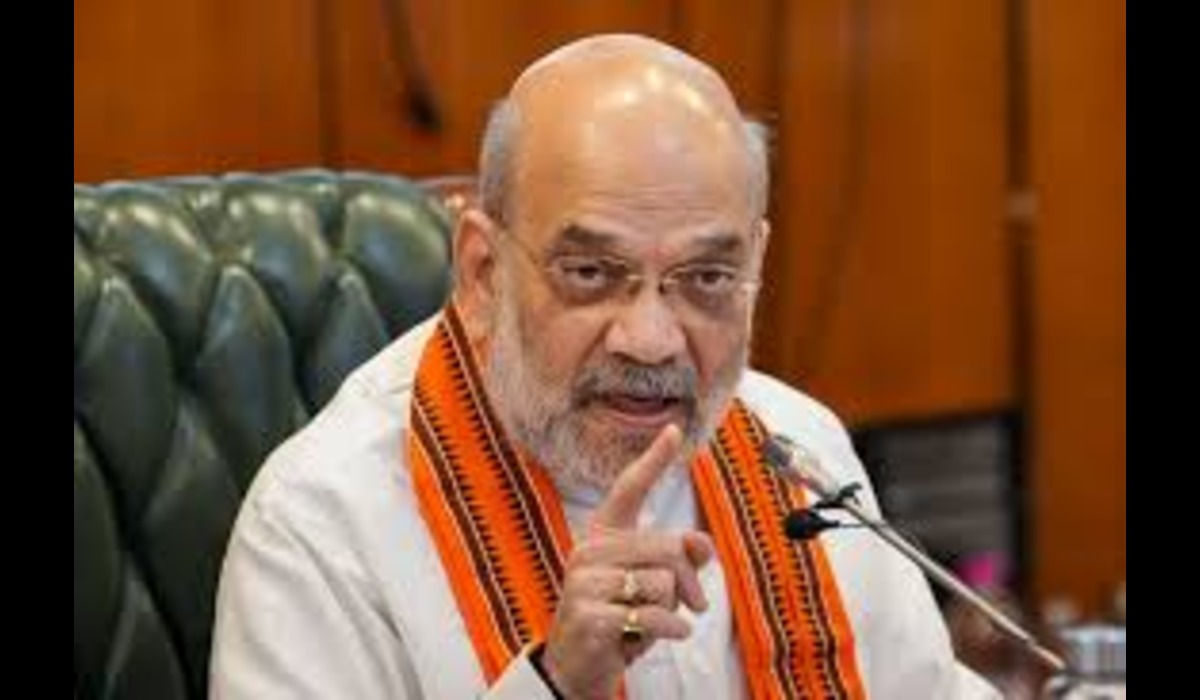
Amid rising fears of a fuel supply disruption triggered by tensions in West Asia, the central government has moved swiftly to reassure citizens. Union Home Minister Amit Shah has been appointed chairman of a high-level three-minister committee tasked with closely monitoring the supply of petrol, diesel and LPG in Delhi.
The decision was taken on Thursday (March 12) after concerns grew that the ongoing confrontation between Iran and the United States could affect global oil shipments passing through the strategically important Strait of Hormuz.
The government’s immediate response aims to prevent panic buying and ensure uninterrupted distribution of essential fuels across the national capital.
Three Ministers Assigned To Monitor Fuel Situation
The emergency committee includes External Affairs Minister S. Jaishankar and Petroleum and Natural Gas Minister Hardeep Singh Puri, along with Amit Shah as its head.
Officials said the panel will supervise fuel supply in real time, coordinate with oil companies and review stock levels on a daily basis.
The committee has been created to quickly address rumours of shortages that began circulating after geopolitical tensions threatened oil supply routes in the Middle East.
Sources in the government said the ministers will work together to ensure smooth distribution of petrol, diesel and LPG and will also provide regular updates to Prime Minister Narendra Modi.
Review Meeting Confirms Adequate Fuel Stocks
Before the committee was announced, Delhi Chief Secretary Rajeev Verma chaired a high-level review meeting with oil companies, gas distributors, the police department and other agencies.
Officials confirmed that there is currently no shortage of petrol, diesel or domestic LPG in Delhi.
However, authorities decided to slightly extend LPG cylinder booking intervals to 25 days to prevent unnecessary hoarding. At the same time, domestic PNG and CNG supplies are being prioritised for essential services and transport sectors.
Oil marketing companies have also assured that home delivery of LPG cylinders is continuing within two to three days.
Crackdown Ordered On Hoarding And Black Marketing
Delhi authorities have directed police and revenue officials to keep strict watch on hoarding, theft and black-marketing of fuel products.
Special inspection teams may be deployed to monitor supply chains and ensure that retailers do not exploit the situation by creating artificial shortages.
The government believes that strong monitoring will stop panic buying and keep the market stable despite global uncertainty.
Can The Strait Of Hormuz Crisis Impact India’s Fuel Supply?
Nearly one-third of the world’s oil passes through the Strait of Hormuz, making it one of the most critical shipping routes for global energy trade.
If tensions escalate and shipping is disrupted, international crude prices could rise sharply. However, Indian officials say the country has diversified its energy import routes and maintains adequate reserves to handle short-term disruptions.
Why Was Amit Shah Chosen To Lead The Committee?
Government insiders say Amit Shah’s experience in handling crisis coordination played a key role in the decision.
During the COVID-19 pandemic, Shah led several high-level coordination efforts in Delhi to manage healthcare resources and logistics.
Officials believe his administrative oversight will help streamline communication between ministries, oil companies and local authorities.
Government Aims To Prevent Panic And Stabilise Supply
The central government’s message remains clear — fuel supplies remain stable and citizens should not panic.
The newly formed committee will conduct daily stock reviews, ensure fair distribution and monitor industrial gas allocation, which officials hope to restore to around 80 percent of normal levels.
With global energy markets under pressure due to the Iran-US conflict, the government’s quick intervention is aimed at protecting consumers and maintaining economic stability in the capital.
Authorities say the goal is simple: keep fuel flowing smoothly while reassuring the country’s 140-crore population that India’s energy security remains intact.