

By Vivek Bhavsar | Editor-in-Chief, TheNews21
Mumbai
For over three decades, my work as a journalist has taken me from the corridors of Mantralaya to the fields of Vidarbha, from policy files in Mumbai to conflict narratives beyond India’s borders.
Across these years, one principle has remained constant:
No Fear. No Favour.
This is not a slogan. It is a discipline.
A Career Built on Questions, Not Positions
My journalism has never been aligned to a political party, an ideology, or a corporate interest.
Instead, it has been anchored in a simple but consistent approach:
- Question those in power
- Verify through documents
- Report from the ground
- Present facts in public interest
This approach has led me to report on a wide spectrum of issues:
- Land acquisitions in Konkan, including the Nanar refinery project
- Coal block allocations and industrial policy decisions
- Public procurement irregularities and infrastructure contracts
- Policy gaps affecting agriculture, trade, and public welfare
- Governance failures in health schemes and administrative systems
- International and strategic developments impacting India
These were not isolated stories. They were part of a continuing effort to understand how power, policy, and people intersect.
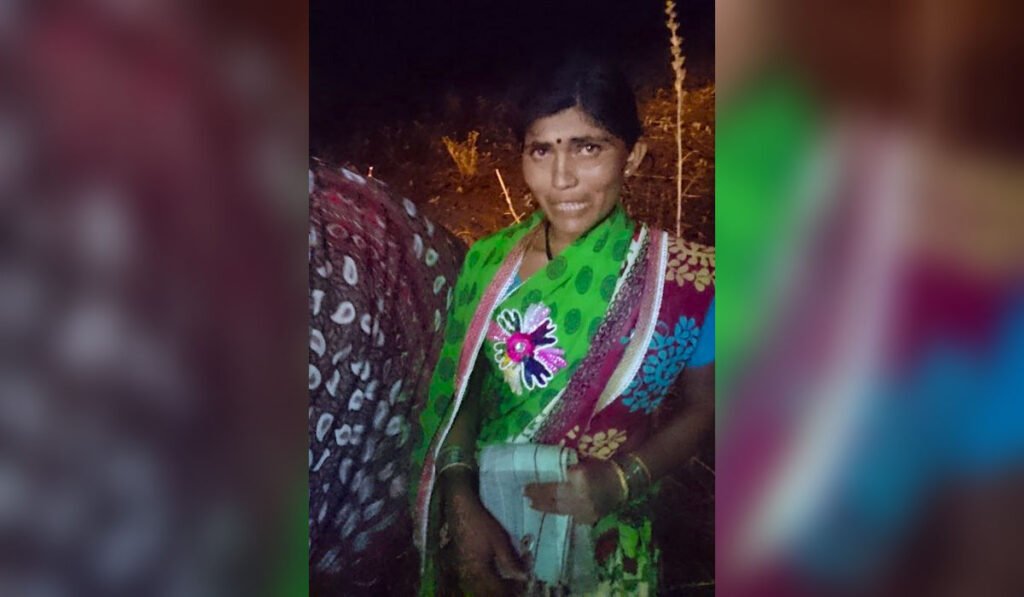
From Files to Fields: Reporting Beyond the Desk
Journalism, in my experience, cannot be confined to press conferences or official statements.
Some of the most defining moments of my work have come not from documents alone, but from direct interactions with people affected by policy decisions.
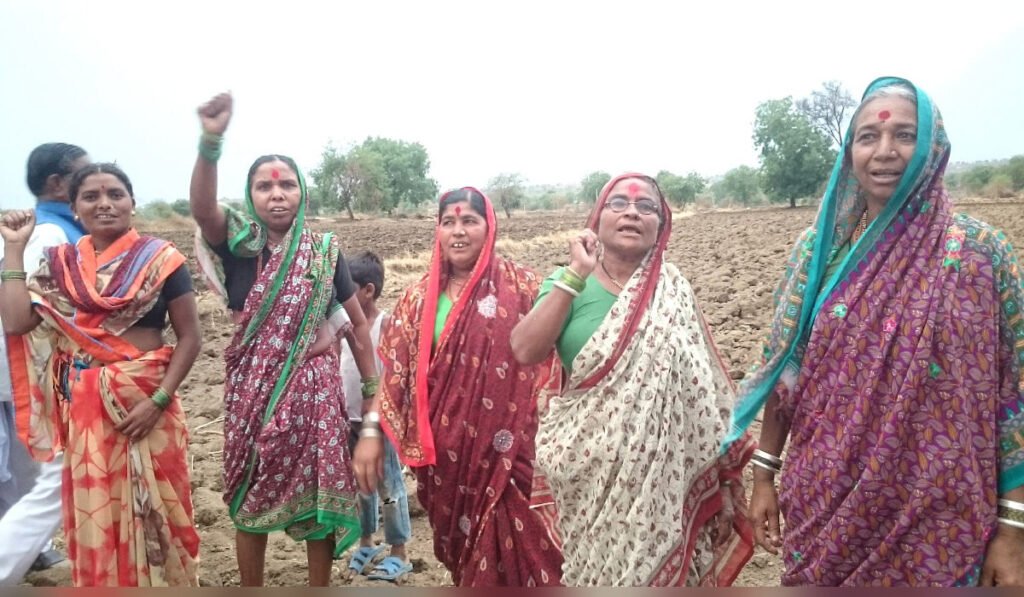
During the reporting of land acquisition for major infrastructure projects, I travelled across villages in Maharashtra where farmers spoke of uncertainty over their future.
Some feared losing their only source of livelihood.
Some questioned compensation mechanisms.
Some expressed distrust in administrative processes.
Their voices were documented as they were — without amplification, without suppression.
When Policy Outcomes Turn Human
In Vidarbha, I reported on the deaths of farmers due to pesticide exposure — a tragedy that highlighted gaps in agricultural safety and regulatory systems.
The reporting did not seek to assign blame without evidence. Instead, it examined:
- The absence of safety awareness
- The lack of protective mechanisms
- The policy gaps in compensation frameworks
These were matters of public concern, and they were reported as such.
Consistency Across Governments and Systems
Over the years, governments have changed. Policies have evolved. Political narratives have shifted.
But the questions raised in my work have remained consistent:
- Are decisions transparent?
- Are processes fair?
- Are public resources used responsibly?
- Are citizens adequately protected?
This consistency is visible across reporting on:
- Different political parties
- Multiple administrations
- Various sectors — from infrastructure to agriculture to finance
The objective has never been to target individuals, but to examine systems.
Journalism in Public Interest
The work carried out through the years, and now through TheNews21, is guided by a clear understanding:
Journalism serves its purpose only when it contributes to public awareness and accountability.
It does not claim infallibility.
It does not claim authority over institutions.
It simply places verified information in the public domain.
Independence Without External Influence
One of the defining aspects of this journey has been independence.
TheNews21 operates without political funding and without corporate control. It has relied on the support of readers who value independent journalism.
This model is not easy.
But it ensures that editorial decisions are not influenced by external pressures.
Why This Work Needs Support
Independent journalism requires:
- Time to investigate
- Resources to verify
- Freedom to publish
In an environment where many platforms depend on institutional funding or advertising pressures, reader-supported journalism becomes essential.
Support from readers — whether small or large — enables:
- Continued investigative reporting
- Ground-level coverage
- Independent editorial decision-making
A Matter of Record
The body of work produced over the last 30 years exists in the public domain:
- Published reports
- Documented investigations
- Ground reporting
- Policy analysis
These are not claims. They are records.
The Road Ahead
The need for independent, fact-based, public-interest journalism is greater today than ever before.
As governance structures become more complex and policy decisions carry wider impact, the role of journalism remains unchanged:
To question.
To verify.
To report.
Without fear. Without favour.
A Note to Readers and Supporters
To those who have followed this journey, supported the work, or engaged with the stories — your role is critical.
Independent journalism survives not on intent alone, but on collective support.
Every contribution, every share, every engagement helps sustain a space where facts can be presented without influence.
This journey is not defined by any one story, any one investigation, or any one moment.
It is defined by continuity.
A continuous effort to document, question, and present.
And a continued commitment to the principle that has guided this work from the beginning:
No Fear. No Favour.
(Vivek Bhavsar is an investigative journalist with over three decades of experience in political, policy, and public-interest reporting.)
This article is based on on-ground reporting and documented work carried out over several years.
All photographs in this article are captured by Vivek Bhavsar during on-ground reporting.


