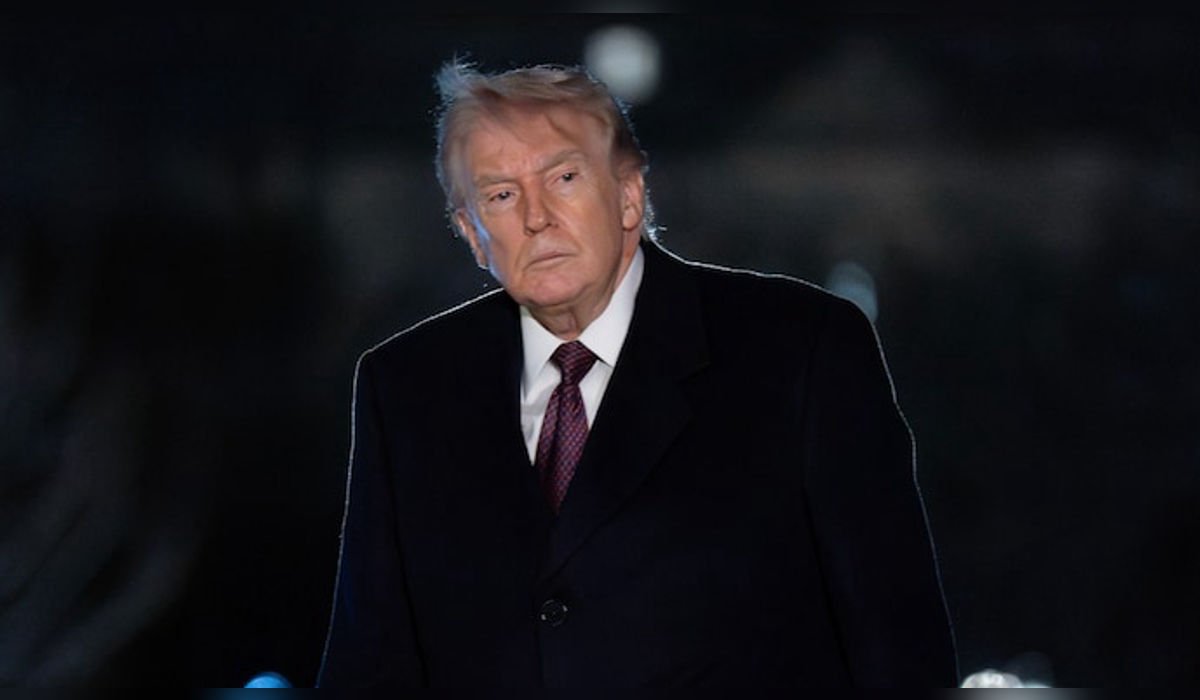
A day after facing rejection from key allies, US President Donald Trump made a strong statement, declaring that the United States does not need any external support to secure the strategically crucial Strait of Hormuz.
The remarks come amid escalating tensions in West Asia, where the vital oil route has been disrupted following conflict involving Iran.
Trump’s Strong Message to Allies
Speaking on Tuesday, Trump asserted America’s military dominance and downplayed the need for assistance from allies.
“We don’t need anybody. We’re the strongest nation in the world. We have the strongest military by far,” he said.
The comments came shortly after Trump had urged allied nations to send naval forces to help reopen the Strait of Hormuz, a request that was largely ignored or declined.
Allies Refuse to Deploy Warships
Several major US partners, including Germany, Spain, and Italy, made it clear they had no immediate plans to send naval support.
German Chancellor Friedrich Merz stated that Berlin had not been properly consulted before the conflict and lacked the legal mandate to participate.
This response exposed growing divisions within the North Atlantic Treaty Organisation, despite its principle of collective defence.
Testing Loyalty of NATO Partners
Trump suggested that his outreach to allies was also a way to test their reliability.
“I want to find out how they react. Because I’ve been saying for years that if we ever needed them, they won’t be there,” he said.
He also criticised the United Kingdom, claiming it delayed offering military support until it was no longer required.
War Escalation in West Asia
The crisis intensified after the US, in coordination with Israel, launched a military campaign against Iran on February 28, targeting key installations.
The strikes reportedly killed Iran’s Supreme Leader Ali Khamenei, significantly impacting the country’s leadership.
In retaliation, Iran launched missile and drone attacks on Israeli targets and US bases across the region, escalating the situation into a broader conflict.
Strait of Hormuz Under Threat
Iran has since moved to block the Strait of Hormuz, a critical global oil route that carries nearly 20% of the world’s crude supply. Multiple vessels have reportedly been attacked, raising fears of a major energy crisis.
Iran’s new leadership under Mojtaba Khamenei has warned that the strait will remain closed, with officials cautioning that oil prices could surge dramatically.
Global Impact and Uncertain Future
With the US preparing to deploy its navy to escort commercial ships, the refusal of allies to participate highlights deep global divisions over the conflict.
The situation remains volatile, with rising tensions not only threatening regional stability but also posing serious risks to global energy markets and economic security.