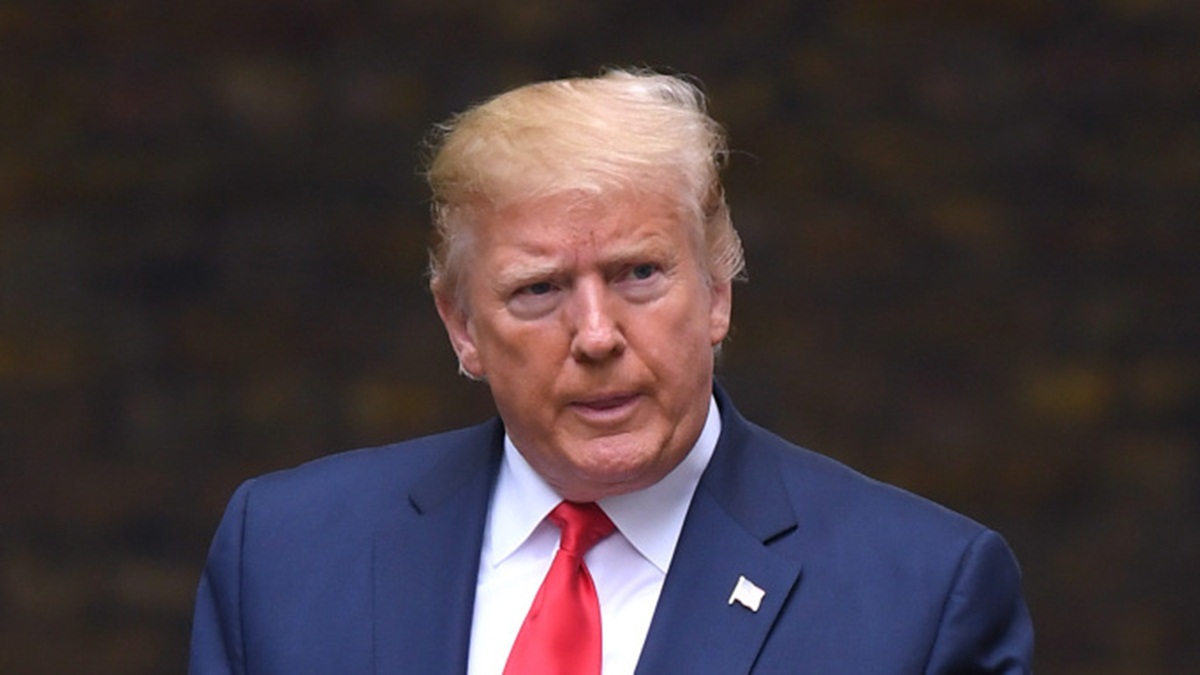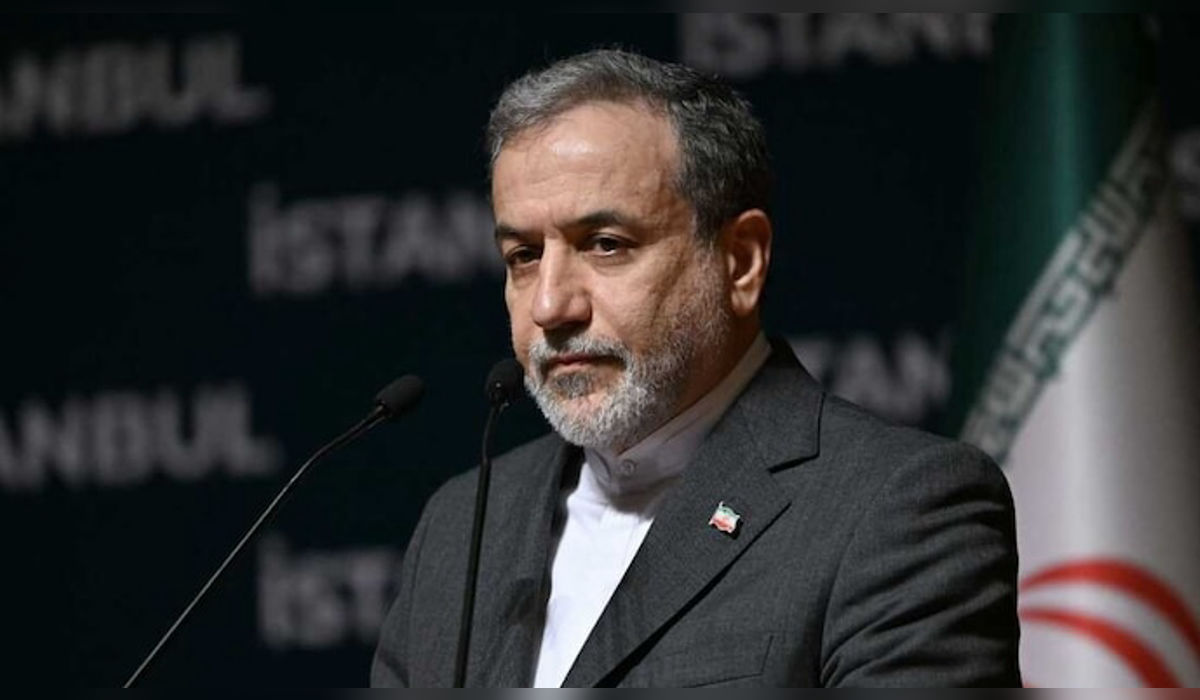
Amid escalating tensions in the Middle East, Iran has issued a strong warning to the United States and Israel following the killing of top leader Ali Larijani in an Israeli airstrike.
Iran’s Foreign Minister Abbas Araghchi made it clear that the country’s resistance will continue despite the loss of one of its most powerful figures. “The presence or absence of a single individual does not affect Iran’s political and economic structure,” he said in an interview, underlining Tehran’s firm stance.
Top Iranian Leader Killed in Airstrike
Ali Larijani, who headed Iran’s Supreme National Security Council, was killed in a targeted airstrike near Tehran at his daughter’s residence. Iranian authorities confirmed that his son, deputy, and security personnel were also killed in the strike.
The killing marks a major escalation in the ongoing conflict, as Larijani was considered one of the most influential figures in Iran’s political establishment.
Iran Says System Will Continue Despite Loss
Araghchi emphasized that Iran’s system remains strong even after losing top leadership. He pointed to the earlier killing of former Supreme Leader Ali Khamenei in a February 28 strike, saying the country continued functioning despite that major loss.
His remarks signal that Iran is unlikely to soften its stance in the face of continued attacks.
US Held Responsible for Conflict
The Iranian minister directly blamed the United States for the ongoing crisis in the region, saying Washington must be held accountable for the human and economic damage caused by the war.
He also indicated that the conflict could only end if Iran is compensated for losses suffered since late February.
Nuclear Policy Remains Unchanged
On the issue of nuclear weapons, Araghchi said Iran’s policy is unlikely to change significantly. However, he noted that the new Supreme Leader Mojtaba Khamenei has not yet publicly stated his position.
Iran has long maintained that its nuclear programme is for peaceful purposes, despite repeated accusations from the US and Israel that Tehran is pursuing nuclear weapons.
Strait of Hormuz Tensions Deepen
Iran also took a tough stand on the strategic Strait of Hormuz, a crucial route for global oil shipments.
Araghchi said Iran would not allow oil to reach the US, Israel, or their allies through the strait and called for a new regional protocol to manage its operations after the war.
Iran has already restricted movement through the waterway, raising concerns worldwide, as nearly one-fifth of global oil and gas supplies pass through it.
Global Concerns Rise
The United States has attempted to form a naval coalition to protect vessels in the Strait of Hormuz, but many NATO allies have shown reluctance to get directly involved in military action against Iran.
With rising tensions, leadership losses, and threats to global energy routes, the situation in the Middle East remains highly volatile, with fears of further escalation in the coming days.