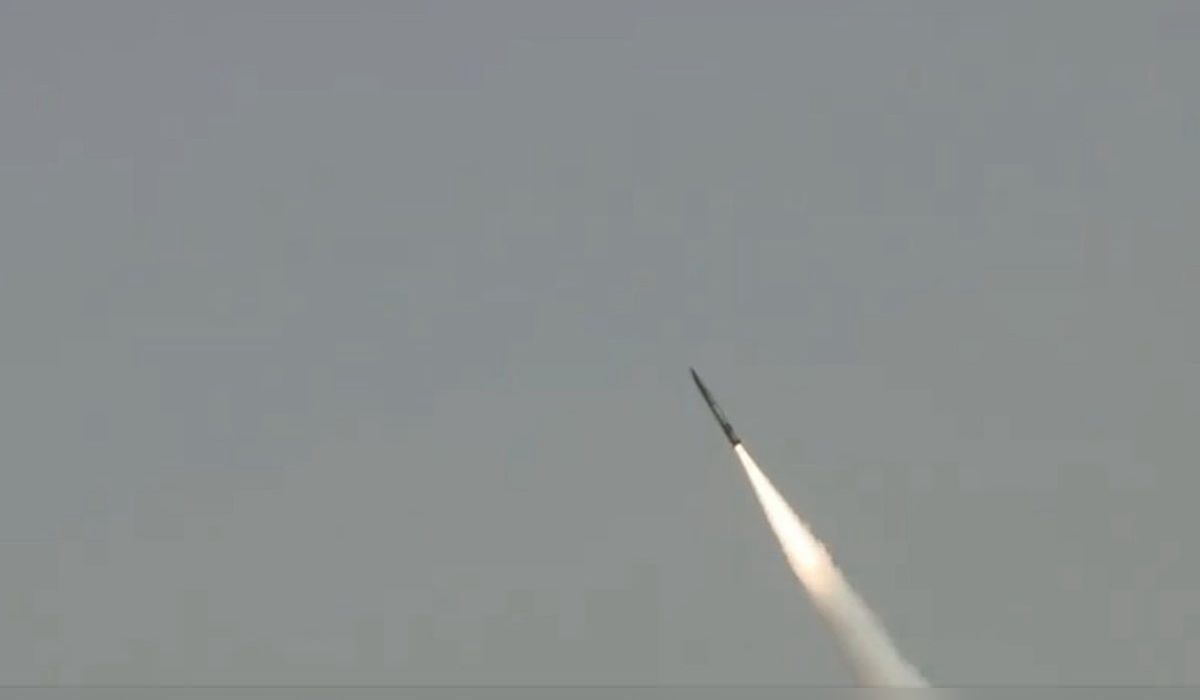
The Middle East moved closer to open confrontation after Iran launched a large-scale missile attack on Israel, just hours after joint Israeli and U.S. forces conducted what they described as pre-emptive strikes.
Missiles Rain Down on Israel
According to multiple media reports, Iran fired between 35 and 70 missiles toward Israeli territory late Saturday night. Air raid sirens blared across Tel Aviv and other major cities as residents rushed to shelters.
Explosions were reported in parts of northern Israel as the country’s air defence systems worked to intercept the incoming projectiles. Emergency services were deployed across affected areas, though official details about casualties or damage were still being assessed at the time of reporting.
Tehran’s “Crushing Response”
Iranian officials had earlier warned of strong retaliation after Israel — backed by the United States — carried out strikes on what were described as strategic targets linked to Iranian interests. Iran’s semi-official Tasnim News Agency quoted officials vowing a “crushing response” to what Tehran called aggression.
The missile barrage appears to be the first direct large-scale retaliation following the pre-emptive operation, marking a serious escalation in the long-running shadow conflict between the two nations.
Israel on High Alert
Israeli authorities immediately implemented emergency protocols nationwide. Public gatherings were restricted, schools remained closed in several districts, and security forces were placed on maximum alert.
Military spokespersons said interception systems were actively engaged to neutralize threats mid-air. Residents in central and northern regions were advised to stay near protected areas until further notice.
US Involvement Raises Stakes
The involvement of the United States in earlier strikes has significantly raised diplomatic and military stakes. Analysts warn that direct exchanges between Iran and Israel — especially with U.S. backing — risk drawing other regional actors into the conflict.
Global leaders have urged restraint, fearing that continued escalation could spiral into a broader regional war affecting oil markets and international security.
Region at a Tipping Point
With missiles exchanged and both sides issuing stern warnings, tensions in the Middle East have reached one of their most volatile points in recent years.