X: @the_news_21
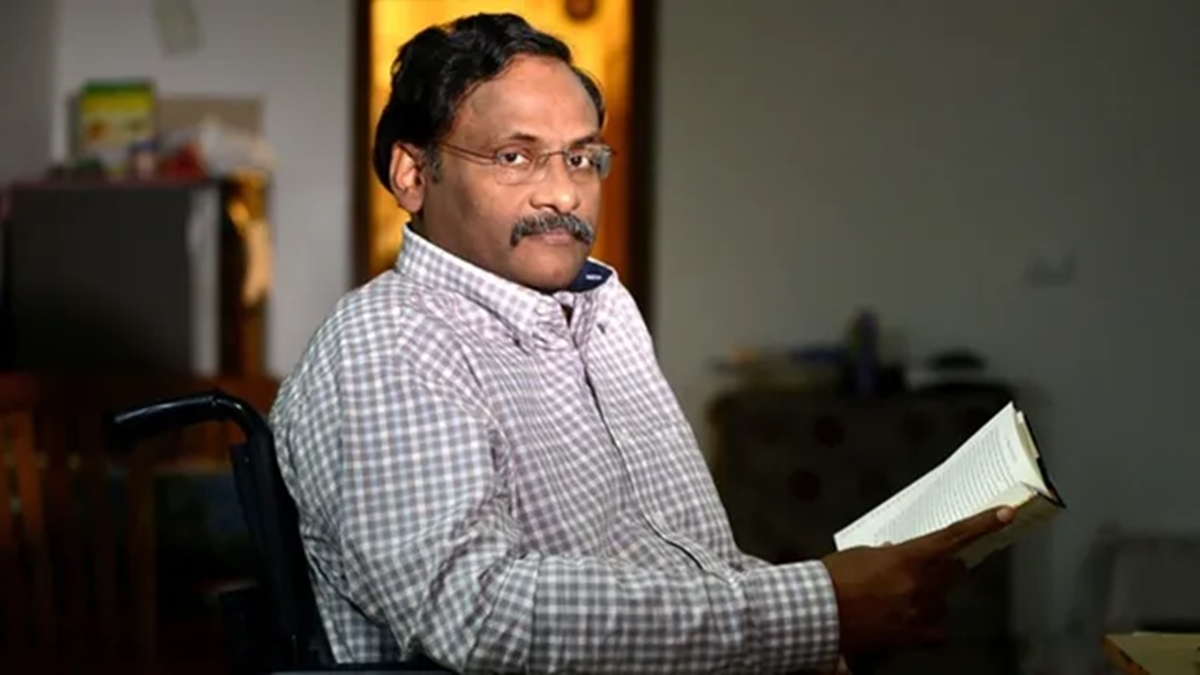
In a significant development, the Nagpur bench of the Bombay High Court has acquitted former Delhi University professor GN Saibaba and other co-accused persons who were arrested on suspicion of having Maoist links. The decision marks a major legal victory for the defendants, overturning their previous convictions.
A division bench comprising Justice Vinay G Joshi and Justice Valimiki SA Menezes delivered the verdict after concluding the hearing, which had been ongoing since September of the previous year. The judgment comes in response to appeals filed by Saibaba, Mahesh Tirki, Hem Mishra, Prashant Rahi, and Vijay, challenging their convictions handed down by a special court in 2017.
The appellants had been sentenced to life imprisonment, except for Vijay, who received a 10-year jail term. Vijay Tirki, one of the accused, had been granted bail, while another co-accused, Narote, tragically passed away in jail last year after contracting swine flu.
The High Court’s decision to overturn the convictions follows directions from the Supreme Court, highlighting the significance and complexity of the case. The acquittal represents a vindication for the defendants and underscores the importance of due process and fair trial in the Indian judicial system.
The case had garnered considerable attention due to its implications for civil liberties and the rights of individuals accused of involvement with extremist groups. The legal battle, spanning several years, has finally culminated in a favorable outcome for the defendants, who can now seek to rebuild their lives free from the shadow of suspicion and incarceration.
The acquittal is likely to reignite debates surrounding the use of anti-terrorism laws and the treatment of dissent in democratic societies. It serves as a reminder of the judiciary’s role in upholding constitutional principles and safeguarding the rights of all individuals, regardless of their political affiliations or beliefs.
As the defendants celebrate their legal victory, the case sets a precedent for future cases involving allegations of extremism and raises questions about the adequacy of evidence and procedural fairness in such proceedings.
Also Read: Jairam Ramesh Takes Swipe at PM Modi’s ‘Family’ Remark: Calls Last Decade ‘Anyaay Kaal’