From the Supreme Court of India to Columbia Law School, judicial law clerk Ananya Bangar reflects on constitutional law, artificial intelligence, public institutions and the future of legal practice.
Interview By Vijay Gaikwad
Edited by TheNews21 Editorial Desk
New Delhi / Mumbai: Admission to Columbia Law School’s Master of Laws (LL.M.) programme marks the next chapter in the professional journey of Ananya Bangar, a graduate of the National Law University, Delhi, who is currently serving as a Judicial Law Clerk at the Supreme Court of India.
Over the past few years, Bangar’s academic and professional work has brought together constitutional law, legal research, public policy and emerging questions surrounding artificial intelligence and governance. Alongside her judicial clerkship, she has worked on legal technology, contributed to international legal publications and pursued academic opportunities in the United States.
In this conversation with TheNews21, she discusses her experience working within the judicial system, the responsibilities that come with legal research, the growing role of technology in law, and why she believes empathy remains as important as legal reasoning.
Q1. Congratulations on your admission to Columbia Law School. What does this opportunity mean to you personally and professionally?
Ananya Bangar: Thank you.
For me, Columbia represents an opportunity to engage with important global conversations on constitutional law, governance, technology and public institutions.
Personally, it reflects years of sustained academic work and professional learning. Professionally, I hope the programme will help me deepen my understanding of law and public policy while preparing me to contribute more meaningfully to these fields in India.
One aspect of my journey that I value deeply is that I reached this stage through consistent preparation, the encouragement of my family and a genuine curiosity to keep learning. I hope students from different backgrounds recognise that persistence and genuine curiosity can open doors to opportunities that may initially seem out of reach.
Q2. Your family comes from a strong academic background, yet you chose law as your profession. What influenced that decision, and who shaped your journey?
Ananya Bangar: My parents encouraged me to pursue a career based on my interests rather than expectations. Throughout my preparation for law entrance examinations during the Covid-19 period, my family remained a constant source of support.
Law appealed to me because it combines analytical thinking with public service. Joining National Law University, Delhi introduced me to constitutional law, public institutions and the broader role that legal systems play in society.
During my academic and professional journey, I also had the opportunity to learn from members of the higher judiciary through internships and judicial clerkships. Those experiences significantly influenced my approach to legal research, writing and constitutional reasoning, while reinforcing the importance of discipline, impartiality and institutional responsibility.
Q3. You are currently serving as a Judicial Law Clerk at the Supreme Court of India. How has that experience shaped your understanding of law?
Ananya Bangar: It has been one of the most valuable learning experiences of my career.
Working within the Supreme Court exposes you to a wide range of legal questions across constitutional, criminal, civil and administrative law. Every matter demands careful preparation, rigorous research and close attention to legal principles.
The experience also teaches humility. Judicial work requires precision, confidentiality and intellectual discipline. It reminds you that the law is ultimately about serving justice through careful reasoning rather than personal opinion.
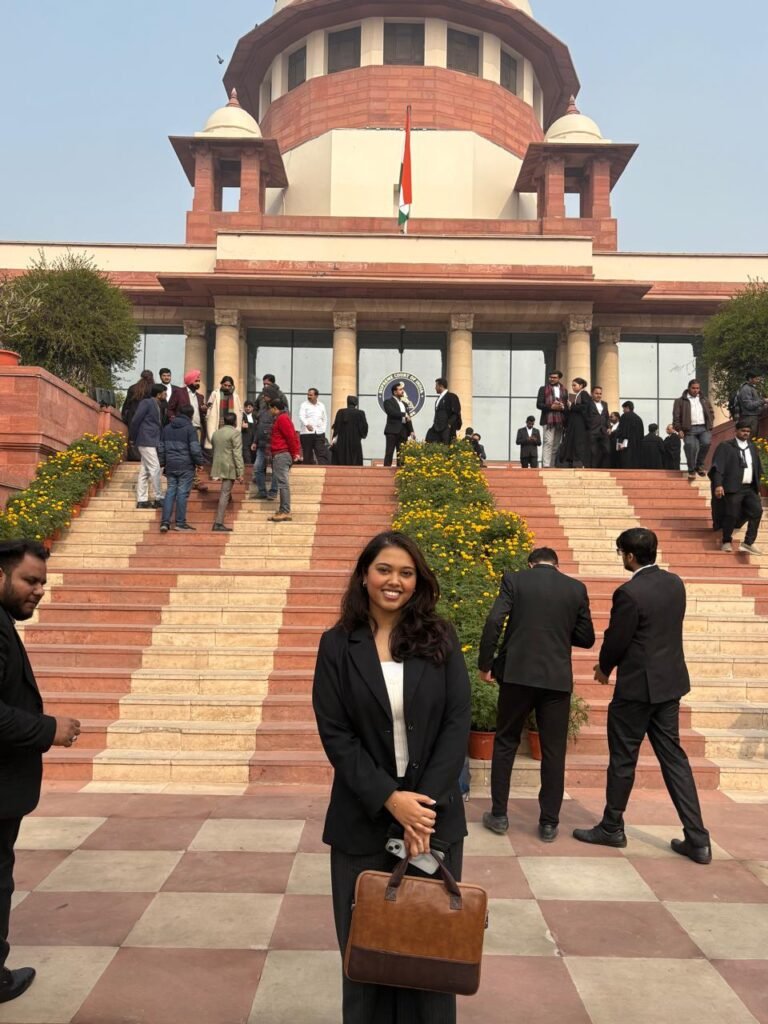
Q4. What is the most important lesson your judicial experience has taught you?
Ananya Bangar: One lesson has stayed with me throughout my clerkship.
Every file before the court represents a human life, not just a legal dispute. Behind every case are individuals, institutions and communities whose lives may be affected by the outcome.
That perspective changes the way you approach legal research. Constitutional principles and statutory interpretation are essential, but they must always be understood in the context of their real-world consequences.
The experience has strengthened my belief that legal practice requires not only technical competence but also empathy, patience and a deep sense of public responsibility.
Q5. Columbia Law School has a historic connection with Dr B.R. Ambedkar. Does studying there carry a special significance for you?
Ananya Bangar: Yes, it does.
Dr B.R. Ambedkar’s academic journey at Columbia continues to inspire generations of students who believe in constitutional values, equality and social justice. For me, studying at the same institution is meaningful not because of the comparison, but because it represents an opportunity to learn in an environment that has contributed significantly to legal scholarship and public policy.
As someone interested in constitutional law and public institutions, I hope to engage with ideas that can eventually contribute to India’s legal and policy landscape.
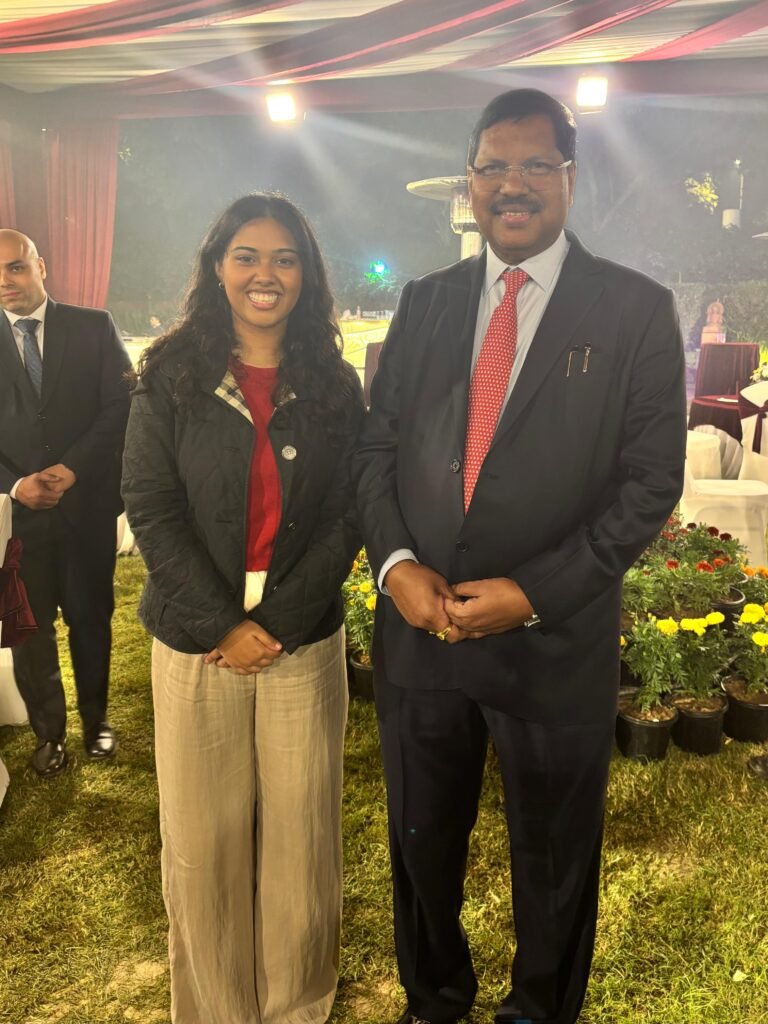
Q6. You have shown a strong interest in technology and artificial intelligence alongside constitutional law. What attracted you to this field?
Ananya Bangar: Technology is increasingly influencing legal systems, governance and access to justice. Artificial intelligence is already affecting areas such as legal research, public administration and digital regulation, and these developments raise important constitutional and ethical questions.
During my academic journey, I became interested in understanding how technological innovation can coexist with principles such as fairness, accountability and the rule of law. That interest led me to study issues such as algorithmic bias and the legal implications of emerging technologies.
I believe future lawyers will need to understand both law and technology if they are to contribute meaningfully to policy-making and institutional reform.
Q7. You also spent time attending academic programmes at Harvard in 2023. How did that experience influence your thinking?
Ananya Bangar: It broadened my perspective considerably.
The opportunity to attend academic courses and engage in discussions on public policy, democracy, governance and legal institutions reinforced my belief in interdisciplinary learning.
One of the biggest lessons I took away was that legal questions rarely exist in isolation. They are closely connected with economics, politics, technology, public administration and society. Understanding those relationships helps lawyers approach problems more thoughtfully and develop solutions that are both legally sound and practically relevant.
Q8. Alongside litigation and judicial research, you have also worked with legal technology and legal journalism. How important is legal communication in today’s world?
Ananya Bangar: I believe it is extremely important.
Law affects people’s everyday lives, but legal language can often appear inaccessible. Good legal writing should explain institutions and legal developments in a manner that ordinary citizens can understand without compromising accuracy.
Whether you are drafting a research note, analysing a judgment or writing about a current legal development, clarity of thought is essential.
Working across legal research, legal technology and legal writing has reinforced my belief that lawyers should not only interpret the law but also help make it more understandable for society.
Q9. Which areas of law do you hope to explore during your LL.M., and what developments are you watching most closely?
Ananya Bangar: My academic interests lie in constitutional law, comparative public law, technology regulation, digital governance and institutional accountability.
I am particularly interested in understanding how democratic societies are responding to challenges posed by artificial intelligence, online speech, misinformation and emerging digital technologies. These issues are already influencing legal systems and public institutions across the world, and I believe they will remain central to legal and policy discussions in the years ahead.
My hope is that the LL.M. programme will allow me to study these questions in a comparative setting and eventually contribute to legal and policy discussions in India.
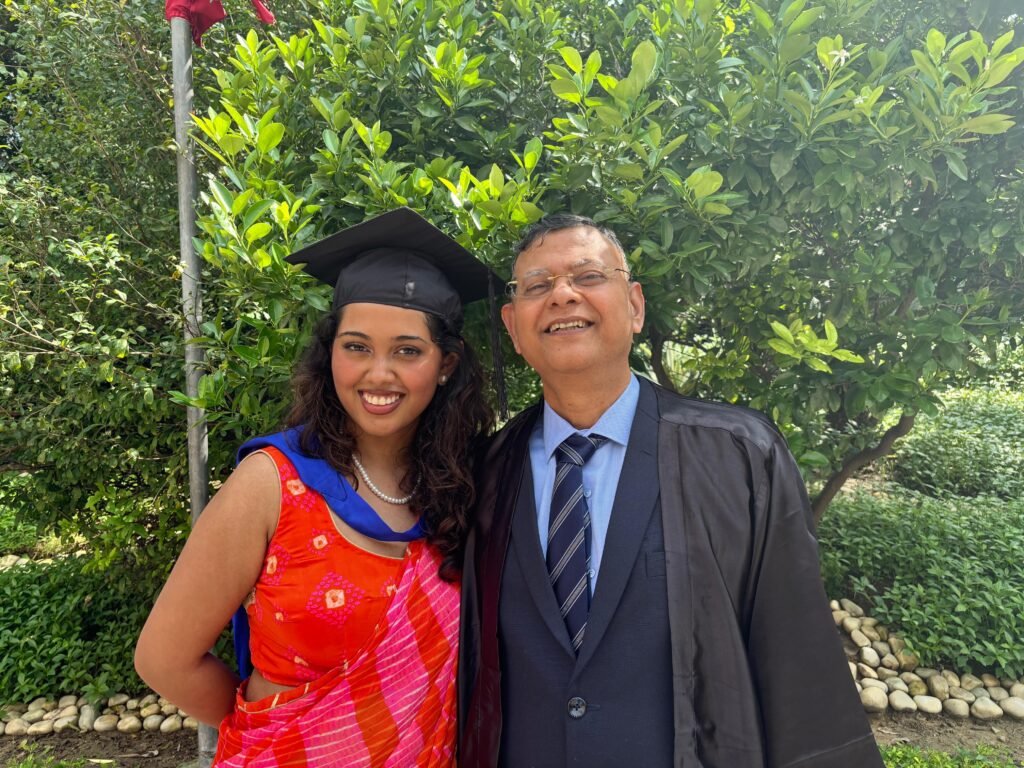
Q10. What would you like to say to young law students who aspire to work in constitutional law or within the higher judiciary?
Ananya Bangar: Stay curious and never stop learning.
Legal education is about much more than examinations or internships. Read widely, develop strong research and writing skills, and try to understand society beyond textbooks and court judgments.
In my experience, genuine curiosity and a love for learning make every effort more meaningful. Do not be discouraged by setbacks. Patience, consistency and perseverance matter as much as talent.
Most importantly, believe in your own ability. Opportunities may not come immediately, but sincere effort, continuous learning and integrity create their own path.
AT A GLANCE
Name: Ananya Bangar
Education: B.A. LL.B. (Hons.), National Law University, Delhi
Current Position: Judicial Law Clerk, Supreme Court of India*
Admitted To: LL.M. Programme, Columbia Law School, New York (Academic Year 2026–27)*
Areas of Interest: Constitutional law, comparative public law, digital governance, artificial intelligence and the rule of law
Professional Experience: Judicial clerkship, legal research, legal technology and legal writing
Public Interest Work: Volunteer initiatives relating to legal literacy and education*
*Subject to independent editorial verification before publication.
Editorial Note: This interview has been edited for clarity, style and length. Academic qualifications, professional appointments and institutional affiliations referred to in the interview were independently reviewed by TheNews21 prior to publication.