

At the last mile, the neat boundaries between sectors dissolve. Rural India’s next gains will come not only from adding the missing pieces, but from making roads, water, schools, healthcare, connectivity and livelihoods work together.
Srinagar: In a remote hill village, the same place can appear in several government files at once.
In one office, it is an habitation on a road-connectivity list, still a few kilometers short of all-weather access. In another, it is a water-supply scheme at some stage of execution. The education department knows it as a middle school in need of two additional classrooms. A livelihoods mission sees a cluster of households whose wool, milk or fruit rarely reaches a proper market. The health department records it as a settlement served by a sub-centre across the ridge. On yet another map, it appears as a patch still waiting for dependable mobile coverage.
Each file captures a legitimate part of the village’s needs and reflects work already underway. Yet the family living there does not experience roads, water, schooling, healthcare and connectivity as separate sectors. It experiences one life.
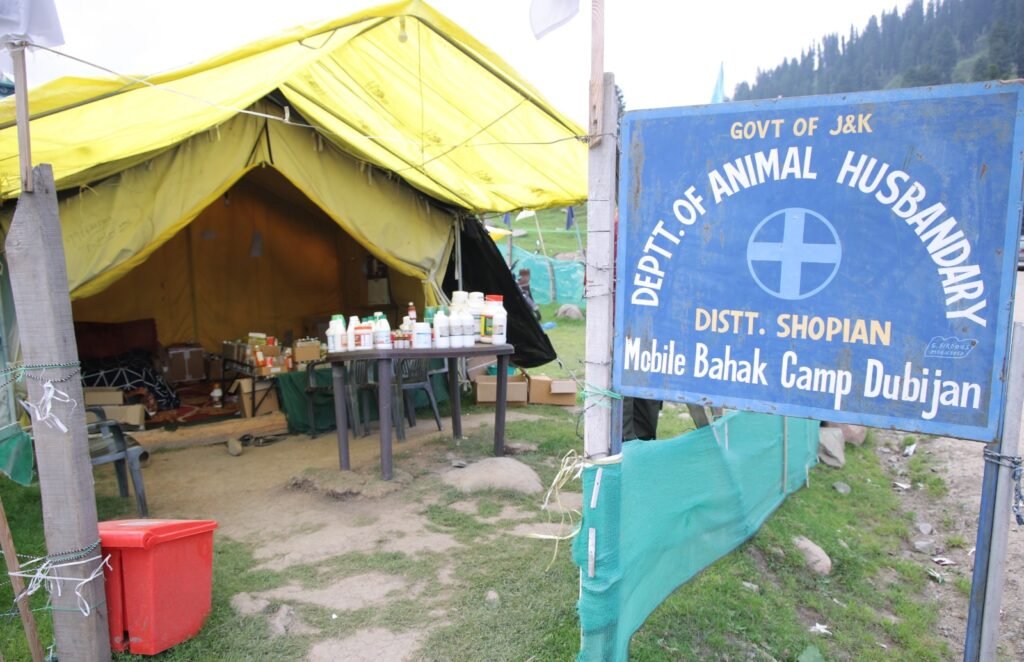
A village is not a department.
This is not an argument against the way government is organised. Departments exist for sound reasons. Specialised staff, dedicated budgets and clear lines of accountability have built much of what rural India has today.
The question is what happens at the last mile, where these administrative verticals meet an actual place and an actual household. There, the neat boundaries between sectors dissolve because daily life does not respect them.
When One Road Changes Several Outcomes
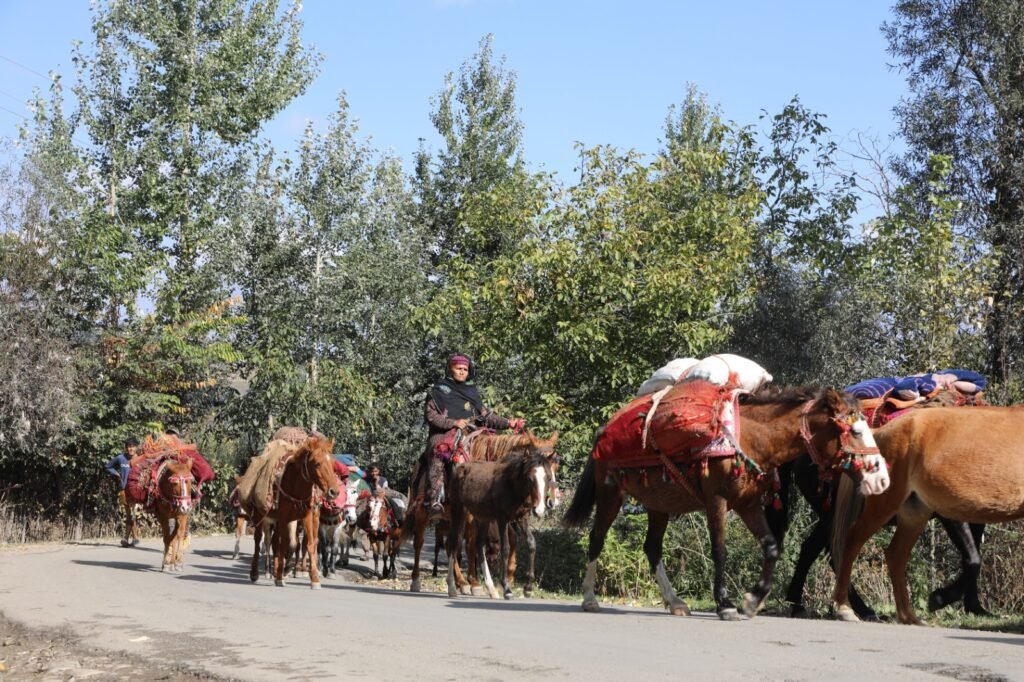
Consider a road.
In a government file, it is recorded as a length in kilometres and a cost per kilometre. On the ground, however, it changes school attendance because children stop losing the winter months to closed tracks. It changes health outcomes because a woman in labour can reach a hospital at night. It changes what a farmer grows because perishable produce becomes worth cultivating once it can reach a market.
The road may determine whether a homestay finds guests, whether essential supplies arrive before the snow and whether a young teacher accepts a posting.
One entry in one department’s file quietly shapes the outcomes of several others.
Drinking water behaves in much the same way. A functional supply scheme is recorded as coverage, but its real effects appear elsewhere: in reduced waterborne illness, in the hours returned to women and children who no longer have to walk to distant springs, in the viability of a dairy unit or village eatery, and in whether a school toilet actually works.
Digital connectivity follows the same pattern. A mobile tower or fibre line may appear in one department’s progress report, but it carries online classes, bank transactions, telemedicine consultations, public-service applications and market prices for everyone within its reach.
The dependence also runs in the other direction.
A well-built training centre struggles if trainees cannot reach it during the rains. A tourism destination with genuine promise must wait for water and sanitation before visitors can stay. A common service centre needs reliable electricity before it can deliver anything.
Individually, each asset may be recorded as a completed work. Together, they create the conditions for a functioning village economy.
From Departmental Ownership to Shared Outcomes
This is why, in field administration, the instinctive question—Which department owns this problem?—is rarely the most useful one.
A more productive question is: What combination and sequence of interventions will make the greatest difference to this particular community over the next two or three years?
It is important to recognise the moment we are in.
Across the country, access to rural roads, household electricity, piped water, banking services and digital connectivity has expanded substantially. By mid-July 2026, the Jal Jeevan Mission dashboard recorded tap-water connections in approximately 15.84 crore rural households, representing nearly 82 per cent of the total. The mission has been extended until December 2028, with greater emphasis on reliable and sustainable service delivery.
The Pradhan Mantri Gram Sadak Yojana has similarly expanded all-weather road connectivity across rural India, linking previously unconnected habitations to roads, markets and essential services.
The scale of these gains is precisely what makes the next question urgent.
A tap in the courtyard delivers less than its full value if the road to the market remains seasonal. A new road delivers less than its full value if the school at its end still struggles with regular teaching support.
Convergence is not a corrective to the progress already made. It is its natural next stage.
As basic service networks expand, the next gains will increasingly depend on how well the remaining pieces fit together.
Three working principles can help carry this idea from intention to practice.
One Village, One Shared Diagnosis
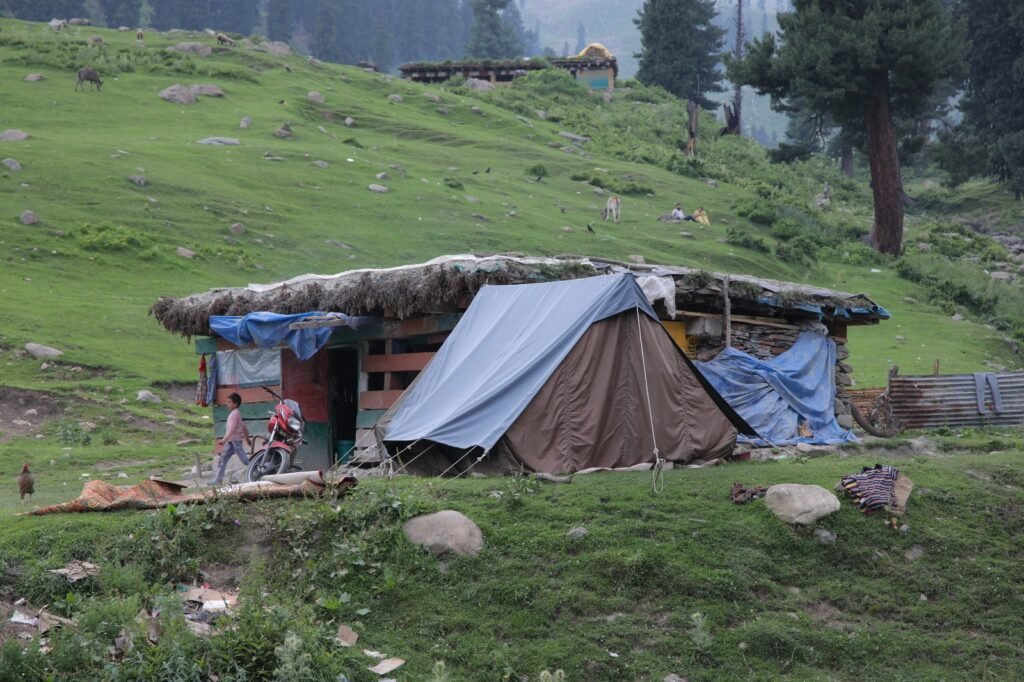
Before annual plans are prepared, the departments working in an area should have a common picture of each village—its existing assets, remaining gaps, economic potential and priorities identified by its residents.
Much of this information already exists across departmental surveys, records and management systems. What is often missing is a single, shared reading of it.
A concise village profile, accessible across departments, can place separate proposals within a common development framework. It can show not only what is missing, but also how one intervention may support or depend upon another.
Instead of examining a road, school, health centre or livelihood programme in isolation, administrators can assess how the proposed investments collectively affect the village.
Measure Combined Outcomes, Not Only Activity
Government reviews rightly track expenditure, physical progress and scheme-wise targets. They should continue to do so.
But the review calendar must also make room for a different set of questions.
Has travel time to the nearest hospital fallen? Are more children completing middle school? Have local livelihood opportunities expanded and diversified? Has access to markets improved? Are public assets being used and maintained?
These questions cut across departmental boundaries, which is precisely why district magistrates or collectors, block development officers and elected representatives at the district and block levels must ask them.
No single department can answer these questions, and no single department should be expected to.
When administrations review outcomes for a place rather than progress within a department, the conversation can shift from departmental completion to collective results.
Let Communities Help Decide What Comes First
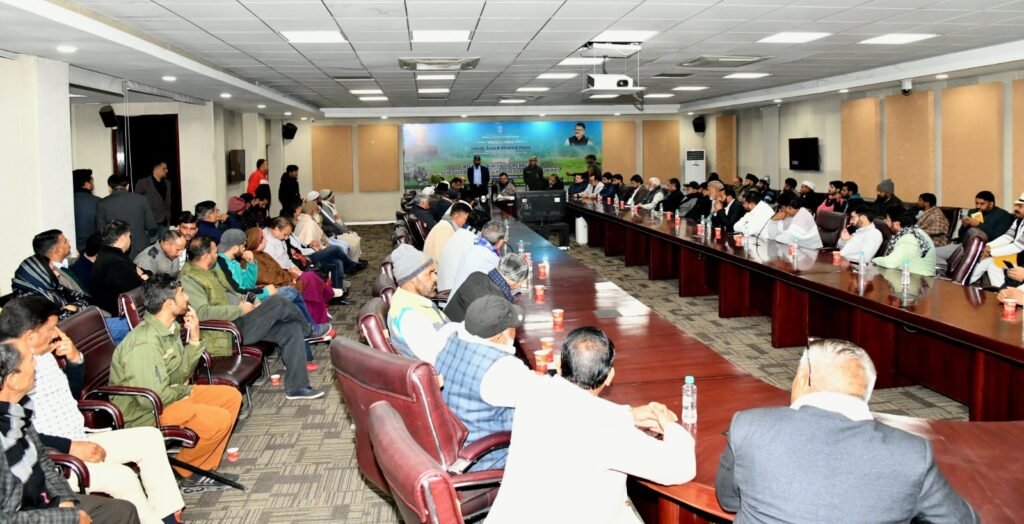
The third principle is to involve communities in sequencing development priorities.
During field interactions, residents rarely present their concerns in departmental order. A discussion that begins with a road may quickly move to school attendance, ambulance access, market transport and livelihood opportunities.
Residents often know, with considerable precision, which intervention must come first for the others to become meaningful.
They may know that a proposed livelihood centre will remain underused until a damaged culvert is rebuilt. They may understand that a tourism plan depends on water reaching the upper hamlet. They may recognise that a school building will not improve attendance unless transport and teacher availability are addressed.
Participatory planning is most valuable when it moves beyond consultation and helps determine sequencing.
It brings local knowledge into the planning process and creates the community ownership needed to protect and maintain public assets after they are completed.
Shift the Unit of Attention From the Scheme to the Place
Much of this does not require the creation of new schemes or administrative structures.
District and block administrations already possess the convening authority to bring departments around a shared table. Existing platforms for participatory planning provide an entry point for communities.
What is required is a shift in the unit of attention—from the scheme to the place—and a shared planning framework patient enough to follow a village across departmental boundaries.
The test of good governance in a remote village is often quiet.
It is not whether each department is separately visible, but whether their combined effort registers in ordinary life as things simply working.
When the road supports the school, when water strengthens health, when connectivity opens markets and when the community’s own judgement helps decide what comes first, government stops arriving as a collection of schemes.
It begins to be experienced as progress.
About the author
Dr Abdul Khabir is an officer of the Jammu and Kashmir Administrative Service with around 15 years of experience in public policy implementation, tribal and rural development, social welfare, local governance and district administration. He currently serves as Deputy Director in the Tribal Affairs Department, Government of Jammu and Kashmir, with additional charge as Deputy Secretary in the Science and Technology Department.
He has served in several administrative roles across the Tribal Affairs, Rural Development and Panchayati Raj, Social Welfare, Mission Youth and Mining departments. He was part of the Mission Youth team whose youth-empowerment initiative received the Prime Minister’s Award for Excellence in Public Administration in 2022.
Dr Khabir writes “Governance in Practice,” a periodic column for TheNews21 examining public policy and implementation from a practitioner’s perspective.
Disclaimer
The views expressed in this article are personal and do not necessarily represent those of the Government of Jammu and Kashmir or any institution with which the author is associated.


