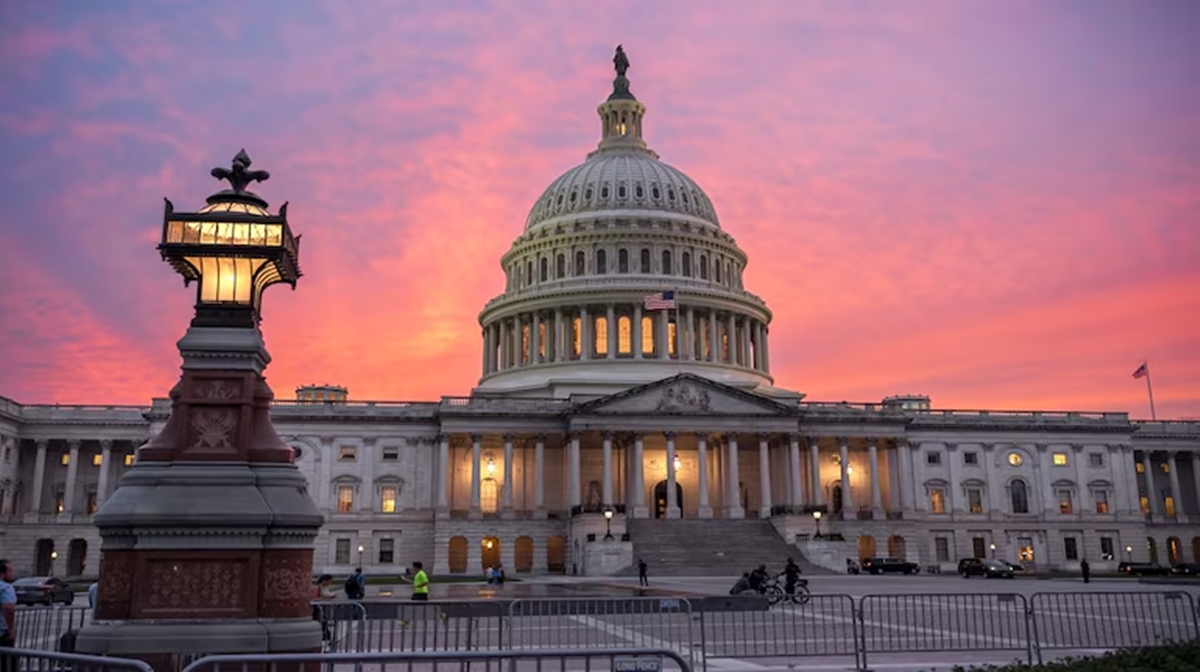
Washington D.C: The United States government officially shut down at 12:01 a.m. on Wednesday, October 1, 2025, after the Senate failed to pass a crucial funding bill. This marks the first federal shutdown in nearly seven years, plunging the country into uncertainty. President Donald Trump has warned of additional federal layoffs, escalating tensions in Washington.
The shutdown followed a 55–45 Senate vote, which fell short of the 60 votes needed to advance a stopgap spending measure. This is at least the 15th shutdown since 1981, and its ripple effects will touch federal workers, businesses, and millions of ordinary Americans.
How a Shutdown Works
A government shutdown occurs when Congress fails to approve funding for federal agencies. During a shutdown, non-essential functions such as national parks, museums, and scientific research programs are suspended. Essential operations like the military, police, and emergency services continue, but employees often work without pay until funding is restored.
The White House Office of Management and Budget (OMB) issues directives for agencies to begin “orderly shutdown” procedures. This includes furloughing employees in non-essential roles. According to the Congressional Budget Office, as many as 750,000 federal workers could be affected daily, with lost compensation costs estimated at around USD 400 million per day.
Also Read: TheNews21 Explainer: Trump’s 50% Tariff on India: Trade War Reshapes US–India–Russia–China Relations
Who Is Affected
The impact extends across nearly every sector of government:
• Social Security and Medicare services continue, but support functions may slow.
• Air travel could face delays, with furloughs at the Federal Aviation Administration reducing staffing even as air traffic controllers and TSA agents remain on duty.
• National parks and museums may shut their doors to the public.
• Scientific research projects funded by federal grants risk suspension.
For essential workers—such as military personnel, air traffic controllers, and law enforcement—duties continue, but paychecks may be delayed, creating financial strain for thousands of families.
The Bigger Picture
Shutdowns don’t just disrupt government services; they also harm the broader economy. Each day the government is closed translates into billions of dollars in lost productivity and services. The uncertainty erodes consumer confidence, disrupts federal contracts, and can even rattle global markets.
The political deadlock stems from disagreements over budget priorities and healthcare provisions. Democrats opposed the Republican-backed stopgap measure because it excluded key healthcare funding. President Trump and Congress remain at an impasse, with no clear timeline for reopening government operations.
Unions representing federal employees have already filed lawsuits against the Trump administration’s shutdown directives, alleging violations of labour protections and the Antideficiency Act.
What Comes Next
Until Congress passes a new funding bill, the shutdown will continue to disrupt daily life. Federal employees face furloughs or unpaid work, families dependent on steady government paychecks are under strain, and agencies nationwide remain in limbo.
Political negotiations are expected to intensify, but analysts warn that the longer the shutdown drags on, the heavier its toll will be on both federal employees and the economy at large.
For now, the shutdown is a stark reminder of how partisan gridlock in Washington can translate into real-world hardships for millions of Americans.