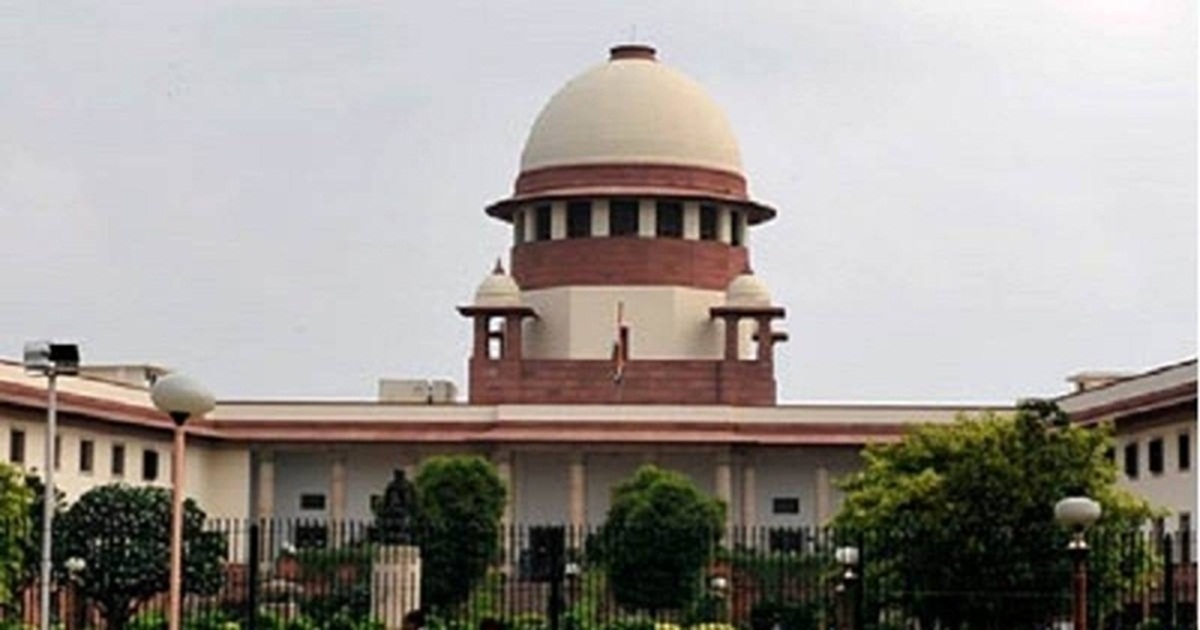
New Delhi: The Supreme Court has agreed to hear a plea by AIMIM leader Asaduddin Owaisi, calling for the effective implementation of the 1991 Places of Worship Act. The law mandates the preservation of the religious character of places of worship as they stood on August 15, 1947.
A bench led by Chief Justice Sanjiv Khanna and Justice Sanjay Kumar decided to examine the matter, with the case scheduled for a hearing on February 17, 2025. Owaisi filed the petition on December 17, 2024, through his lawyer, Fuzail Ahmad Ayyubi.
The 1991 law prohibits the alteration of any place of worship and ensures the maintenance of its religious character. However, the law excludes the Ram Janmabhoomi-Babri Masjid dispute from its scope.
Owaisi’s plea calls on the Centre to enforce the law, highlighting instances where courts have allowed surveys of mosques, based on requests from Hindu litigants. The law has been under scrutiny in multiple cases, including those related to the Gyanvapi Mosque in Varanasi, the Shahi Idgah Masjid in Mathura, and the Shahi Jama Masjid in Sambhal.
The Supreme Court had previously halted proceedings in 18 cases where Hindu parties sought surveys to examine the original religious character of mosques, citing the need to preserve communal harmony.
The issue centers on Sections 3 and 4 of the 1991 Act. Section 3 bars the conversion of places of worship, and Section 4 deals with declarations regarding the religious character of these places. The Gyanvapi Mosque management committee and other Muslim organizations are advocating for the strict enforcement of the law, arguing that it is essential to safeguard religious harmony and protect the current status of mosques.