

India’s Commonwealth Games campaign has entered a new phase. Historic gold medals in judo, strong performances in athletics and a record boxing finals contingent reflect the growing depth of Indian sport. Reporting from Glasgow, Anjana Sasi analyses the rise of India’s newest sporting heroes.
Glasgow: There was a different kind of energy inside the Scottish Event Campus on Friday. Every throw, every grip and every point was greeted by anxious silence, followed by thunderous applause from the Indian contingent. As I watched India’s judokas embrace each other after their bouts, it felt like more than a successful day at the Commonwealth Games. It felt like the beginning of a new chapter.
For years, Indian judo has quietly worked away from the limelight enjoyed by sports such as boxing, wrestling and badminton. On Friday, it finally stepped into the spotlight.
The defining moment belonged to Asmita Dey, who created history by becoming India’s first-ever Commonwealth Games judo gold medallist. The 23-year-old from Belonia in Tripura prevailed in a nerve-racking women’s 48kg final that stretched into Golden Score. It was a victory built on patience as much as skill. Instead of chasing the contest, she trusted her technique, waited for the right opening and seized it when it mattered most.
Watching her celebrate was a reminder that behind every medal lies years of unseen sacrifice. Dey did not begin her sporting journey as a judoka. She first took up athletics before discovering judo through a district talent programme. That decision has now become part of Indian sporting history.
If Asmita gave India its biggest moment, Harsh Singh ensured it was not a solitary celebration. His commanding display in the men’s 60kg category earned another gold, completing an unforgettable day for Indian judo. Together, the two victories represented the finest Commonwealth Games performance the sport has produced for the country.
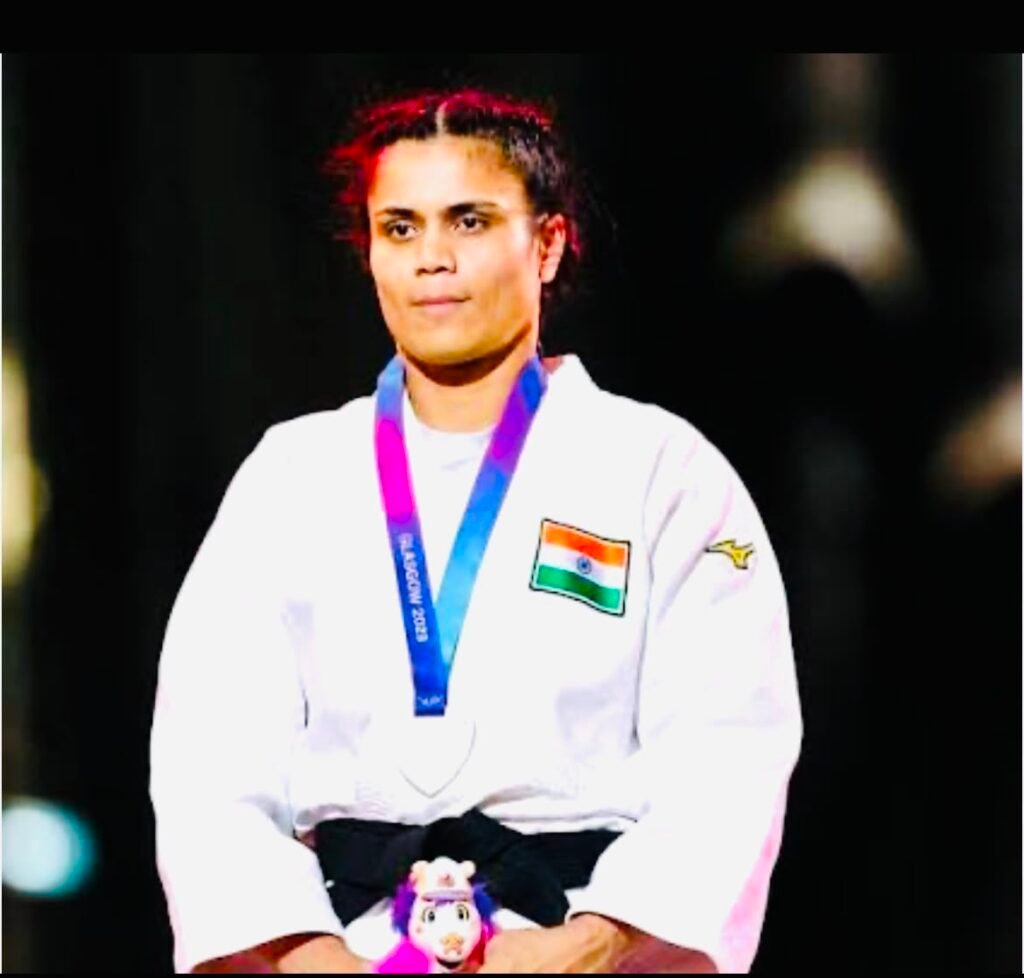
There was another medal to celebrate too. Yamini Mourya fought with remarkable courage before winning silver in the women’s 57kg category. Her final also went into Golden Score, where the contest was decided by the narrowest of margins. She missed the gold, but not the respect of everyone inside the arena. The resilience she displayed throughout the day showed how far Indian judo has progressed on the international stage.
The medals were significant, but what impressed me even more was the way they were won. Indian judokas looked composed under pressure. They did not rush their attacks or allow emotions to dictate their decisions. Their grip work was sharper, their movement more controlled and their tactical awareness noticeably improved. Even in the longest exchanges, there was no panic. That confidence is often the difference between competing and winning.

These performances did not happen overnight. They reflect years of better coaching, structured preparation and growing international exposure. More importantly, they show that India is no longer relying on one or two exceptional individuals. There is now genuine depth in the squad.
Friday was not just about judo. It became India’s most productive day of the Games, with medals arriving from multiple arenas across Glasgow.
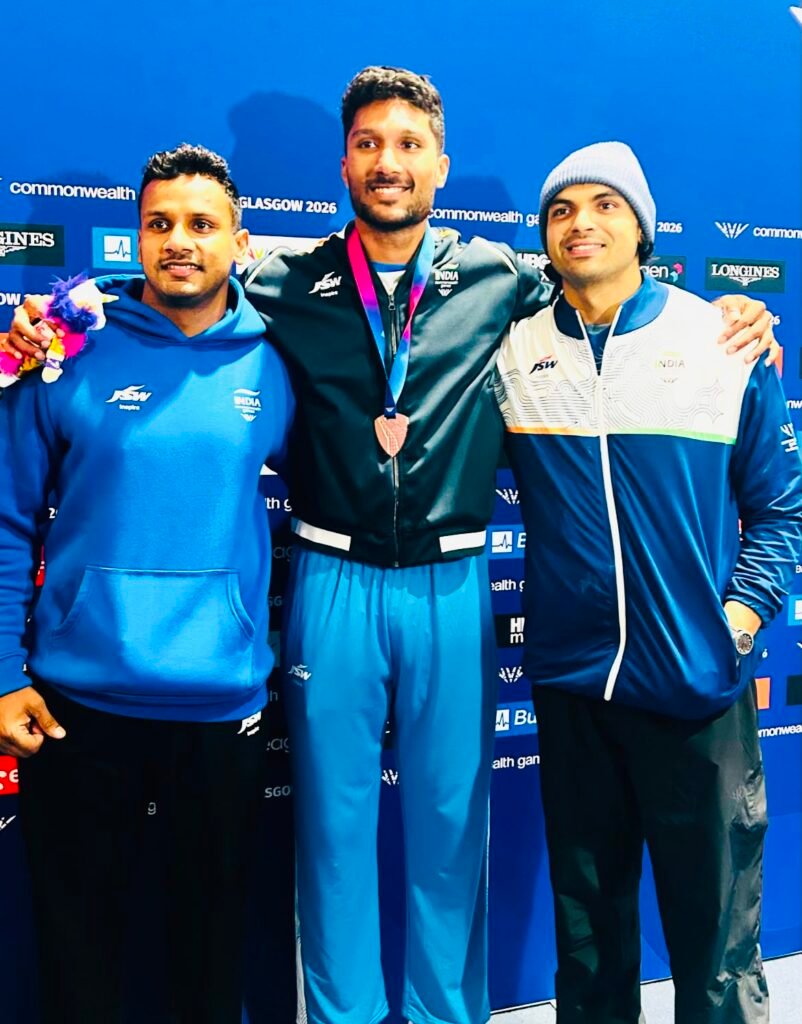
At Scotstoun Stadium, India’s athletics contingent produced another memorable evening. Neeraj Chopra, despite not being at his absolute best, once again proved why consistency defines champions. His silver medal in the men’s javelin throw came with a season-best effort, while the rapidly improving Yash Vir Singh delivered the throw of his career to secure bronze, completing a remarkable double podium finish for India in one of athletics’ marquee events. Although Sri Lanka’s Rumesh Pathirage claimed gold with a Games record, the Indian duo reinforced the country’s sustained strength in an event that has become one of its biggest international assets.
Perhaps the most inspiring performance, however, came from Tejaswin Shankar. Competing with a troublesome knee that has limited his preparations for months, he refused to let injury dictate his campaign. Across ten demanding disciplines spread over two days, Shankar battled through pain to clinch a historic bronze medal in the decathlon, becoming the first Indian ever to win a Commonwealth Games medal in the event. More than the medal itself, it was his resilience that stood out. Every discipline demanded physical and mental endurance, yet he never allowed the injury to define his performance.
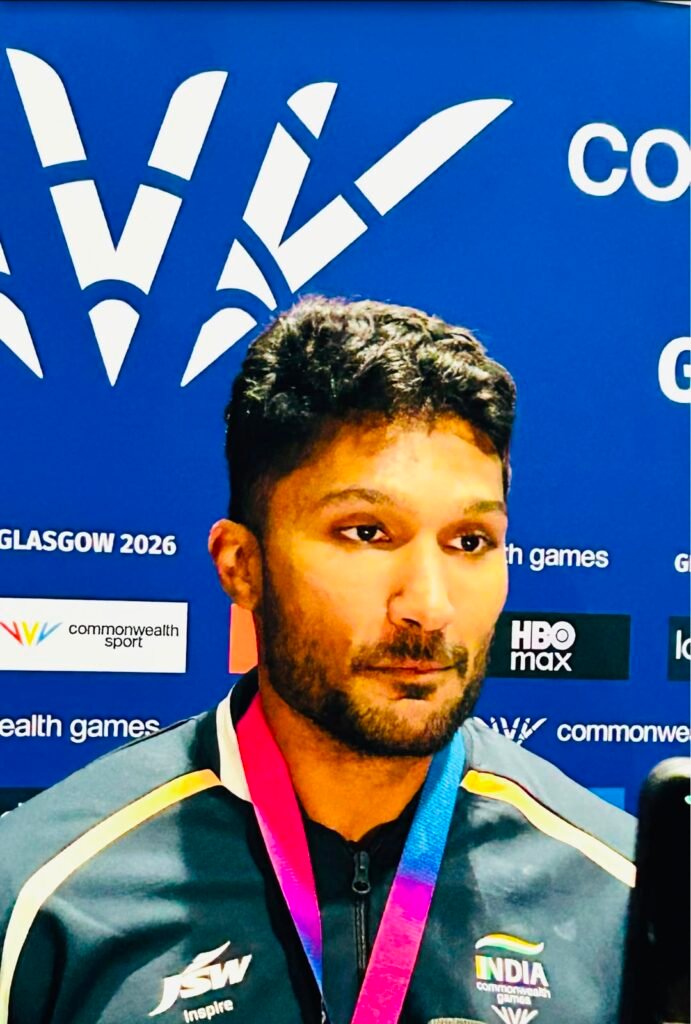
Together with Asmita Dey’s historic gold, Harsh Singh’s gold and Yamini Mourya’s silver in judo, India’s medal rush transformed the complexion of the Games. The contingent climbed to 10th place in the medal standings with 23 medals and, perhaps more importantly, gained momentum at exactly the right stage of the competition.
Friday was equally memorable in the boxing ring. India advanced all ten of its semifinalists into Saturday’s gold-medal bouts, guaranteeing the country’s biggest-ever boxing finals contingent at a Commonwealth Games. It was an extraordinary achievement that highlighted the consistency Indian boxing has developed over the past decade.
Saturday now promises to be one of India’s biggest days of the Games. The experienced Lovlina Borgohain will once again carry enormous expectations. She has looked calm, technically sound and tactically mature throughout the tournament, controlling bouts with intelligent movement and precise counterattacks rather than unnecessary aggression. If she performs to her potential, another Commonwealth Games gold is well within reach.
She will not be alone. Several young Indian finalists have displayed impressive discipline and composure throughout the competition. They have boxed intelligently, controlled the pace of contests and shown the confidence needed to succeed on the biggest stage. The challenge on finals day will be different, but so far they have looked ready for it.
Judo also offers another opportunity to add to an already historic campaign, with more Indian athletes returning to the tatami carrying the confidence generated by Friday’s breakthrough performances.
As Glasgow moves towards its final days, India’s campaign is beginning to tell a different story. It is no longer just about collecting medals. It is about discovering new champions, creating firsts and proving that success can come from sports that rarely dominate headlines.
Standing inside the arena on Friday, one thought kept returning to me.
History does not always arrive with fanfare. Sometimes, it begins quietly—with a perfectly timed throw, a determined smile, and a flag raised a little higher than ever before.


