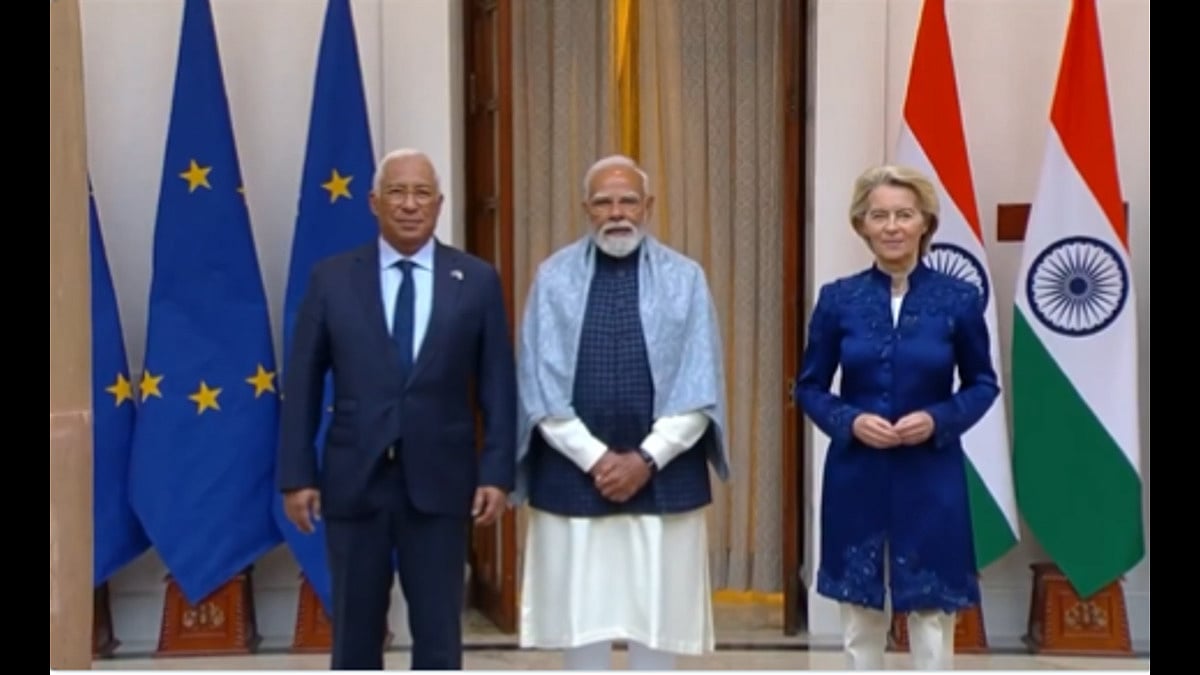
Delhi: The historic India–European Union Free Trade Agreement (FTA), formally sealed during the 77th Republic Day celebrations, is expected to directly impact Indian consumers by sharply reducing prices of several imported goods—ranging from luxury cars and medical equipment to wine, chocolate, and olive oil.
Often described as the “Mother of All Deals”, the pact brings together nearly two billion people into one massive trade framework. While its long-term impact is strategic, the immediate effect for ordinary Indians will be visible on store shelves, hospital bills, and automobile showrooms.
Luxury Cars to Cost Less
One of the biggest changes will be seen in the premium automobile segment. Import duties on fully built European cars—earlier as high as 110 per cent—will now drop sharply. Under the new agreement, tariffs will be reduced to 40 per cent for a fixed annual quota, with a roadmap to bring them down to 10 per cent over the next decade.
This move is expected to make high-end brands such as BMW, Mercedes-Benz, Audi and Volkswagen significantly more affordable for Indian buyers. However, electric vehicles have been deliberately kept out of immediate relief to protect domestic EV manufacturers.
Wine, Beer and Spirits Get Cheaper
Imported alcohol is set for a price correction that could reshape India’s luxury beverage market. Wine duties, which once stood at a massive 150 per cent, will fall to 20–30 per cent. Imported spirits will face a cap of 40 per cent, while beer tariffs will be reduced to 50 per cent.
This change is expected to expand choices for Indian consumers and lower prices at hotels, restaurants, and retail outlets.
Medical Equipment and Healthcare Costs to Fall
Hospitals and diagnostic centres will benefit from the removal of import duties on nearly 90 per cent of medical and surgical equipment. High-end machines such as MRI scanners, robotic surgery tools, and advanced diagnostic devices imported from Europe are likely to become more affordable—potentially lowering treatment costs for patients.
Everyday Food Items to Become Affordable
Several European food products will now enter India at zero or minimal duty. Items such as olive oil, pasta, biscuits, chocolates, fruit juices, vegetable oils, and non-alcoholic beverages—which earlier attracted duties of up to 50 per cent—will now be cheaper and more accessible to Indian households.
Cheaper Machinery and Industrial Goods
The agreement also removes heavy import taxes on industrial inputs like machinery, chemicals, pharmaceuticals, aircraft parts, and engineering equipment. These reductions are expected to lower manufacturing costs across sectors, indirectly benefiting consumers through lower prices and better infrastructure.
Bigger Picture for India
The deal comes at a crucial time, especially after India lost tariff benefits under the EU’s Generalised Scheme of Preferences (GSP). By restoring zero-duty access for key export sectors like textiles, leather, jewellery, and footwear, the agreement is expected to boost exports—while cheaper imports improve domestic consumption.
In short, the India-EU FTA is not just a diplomatic milestone—it is a deal that could quietly but decisively reduce the cost of living and expand consumer choice across India.