

Anjana Sasi | Reporting from Aichi-Nagoya, Japan
Nagoya: The medals are coming. But somewhere inside India’s growing campaign in Aichi-Nagoya, one question refuses to go away: how far can this momentum carry? India has already put 17 medals on the board, including one gold, seven silver and nine bronze, and the opening days have produced a mix of established champions, breakthrough performers and narrow misses. The athletes have fought their way into finals and repeatedly stood on the podium, but the bigger test will come as the Games move into their decisive phase.
India arrived in Japan after its historic 107 medal haul at Hangzhou, where it crossed the 100 medal mark for the first time. The expectation was to show that Hangzhou was not an isolated high point but part of a broader transformation in Indian sport. The opening days have already offered clues about where India is strong, where the margins remain fine and where a new generation is beginning to emerge.
Shooting has been at the heart of the campaign, producing the largest share of India’s medals so far. Elavenil Valarivan, Sonam Maskar, Vidarsa Vinod, Himanshu Dhillon and Rudrankksh Patil have all contributed, with Elavenil standing out after winning two silver medals in the women’s 10m air rifle, both individually and in the team event. Her individual final was particularly close, but the broader picture is more revealing – Indian shooters have consistently reached the decisive stages without always producing the final sequence needed to control them. That is particularly important in the team events, where three scores must come together. A single uneven series can change the outcome, making collective consistency as important as individual brilliance. With Aishwary Pratap Singh Tomar, Rudrankksh Patil and Niraj Kumar still to compete in the 50m rifle 3 positions, shooting has the opportunity to strengthen what has already been one of India’s most productive campaigns.
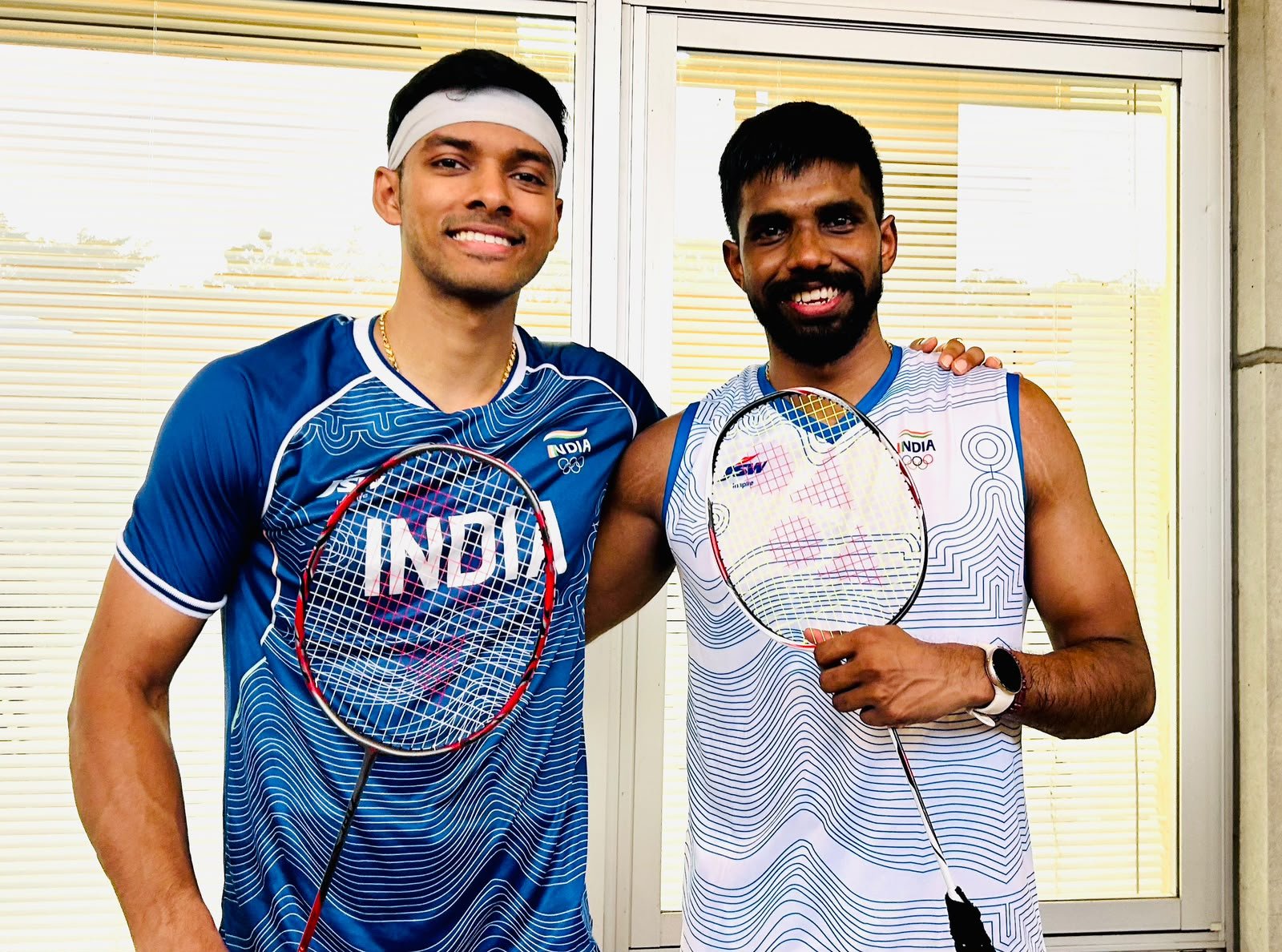
Badminton has exposed a different challenge. India’s men’s team arrived as the defending champions but settled for bronze after a 1-3 semifinal defeat to China. Satwiksairaj Rankireddy and Chirag Shetty were outstanding, beating reigning world champions Liang Weikeng and Wang Chang 21-11, 22-20, but the Indian singles players could not provide the support needed to keep the tie alive. But they fought well, and that gives us hope for the future in badminton. Lakshya Sen lost to Shi Yuqi, while Ayush Shetty lost to defending Asian Games champion Li Shifeng. The result underlined India’s current equation in team badminton. The doubles pair can compete with the world’s best, but China exposed the need for greater depth across singles and doubles. The bronze therefore reflects both India’s strength and the gap it still has to close.
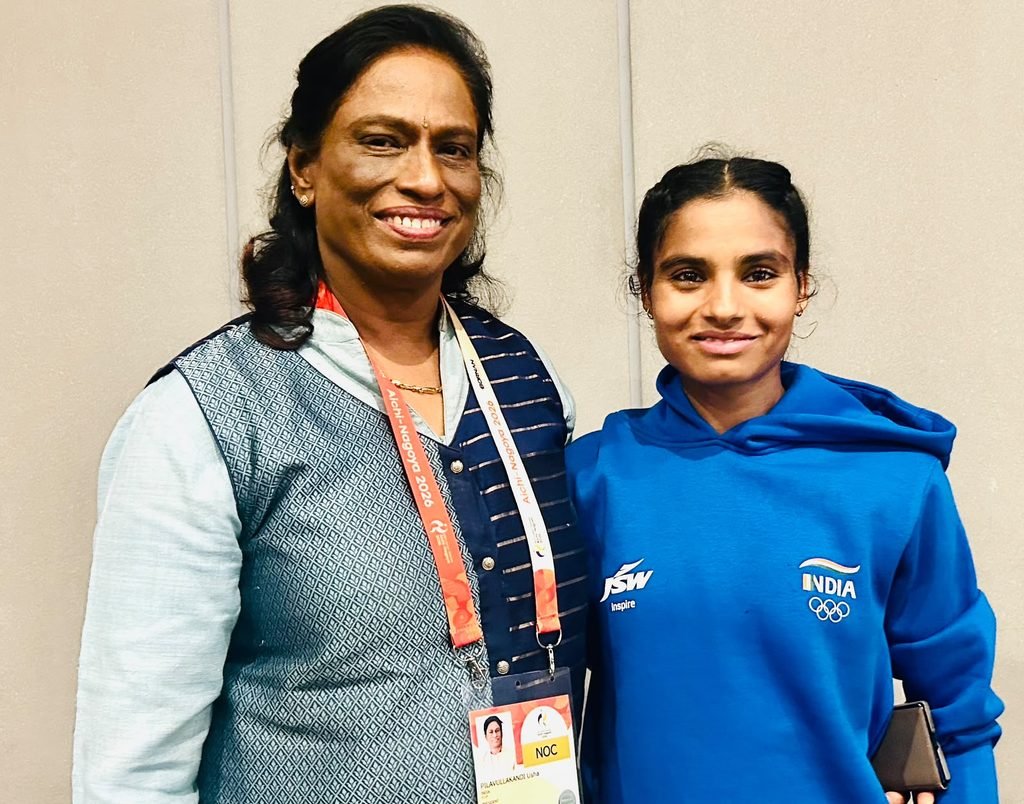
Then came Seema Kumari, producing one of the most significant moments of India’s campaign. Her bronze in the women’s 10,000 m, in 32:50.05, ended a 16 year wait for an Indian medal in the event at the Asian Games. After Preeja Sreedharan and Kavita Raut, Seema is now the third Indian woman to reach the podium in the event. Her medal was built on patience rather than a spectacular surge. She stayed close to the leaders, recovered her position as the race unfolded and held on in the closing stages as the field began to stretch. Bahrain’s Winfred Yavi won gold, and Japan’s Nozomi Tanaka took silver, but Seema’s bronze reopened an important chapter in Indian women’s distance running.
Athletics produced another dramatic finish in the mixed 4x400m relay. T.S. Manu started for India, M.R. Poovamma ran the second leg, Vishal T.K. the third, and Vithya Ramaraj anchored the team. India clocked 3:14.46 for silver behind Bahrain’s Games-record 3:12.87, with Vithya producing the decisive closing effort to move India ahead of Vietnam. India had won gold in the event at the previous Asian Games, but the race was a different kind of performance, one built around a fight for every metre. Vithya’s anchor leg gave the race its defining moment and added another name to India’s growing athletics story.
The wider picture is becoming clearer. Mirabai Chanu’s silver in the women’s 49 kg weightlifting event finally added an Asian Games medal to her career, while Naorem Roshibina Devi again reached the podium in wushu. Alongside them, Seema, Vithya and India’s younger badminton players are helping broaden the country’s competitive base beyond its established stars. The real test now shifts to the sports that have yet to reveal their full medal potential. Kabaddi is approaching its decisive stages; hockey remains a major opportunity, while boxing, wrestling and archery, and kabaddi will be among the key markers as the Games enter their decisive stretch. are still to make their contributions. Athletics and shooting have important events ahead, and the men’s cricket tournament offers another chance after the women’s team delivered India’s first gold against Sri Lanka. Gulveer Singh’s 10,000 m and the rifle 3P event can still make a big difference to India’s medal tally but the more telling parameter will be how well its athletes negotiate the moments when the competition comes down to a battle of fine margins.
Hangzhou changed the scale of expectations around Indian sport with its 107 medals. A century plus haul again would underline consistency, but the deeper story is the widening range of sports in which India can now compete for medals. The challenge in Aichi-Nagoya is to turn that breadth into sustained success when the strongest opponents and biggest pressures arrive. The Games have already produced new names, familiar strengths and a few reminders of how narrow the margins are at this level. With the biggest events still ahead, India’s campaign will ultimately be defined by what happens when opportunity meets pressure and by who is able to seize those decisive moments.
Disclosure: Anjana Sasi’s travel for TheNews21’s Aichi-Nagoya Asian Games coverage has been supported by a private individual who has requested anonymity. The supporter has no role in TheNews21’s editorial decisions or coverage.


