

State policy targets five lakh jobs, 15 processing clusters and use of bamboo biofuels to replace part of coal consumption; Governor Jishnu Dev Varma says today’s development must not become tomorrow’s threat
By TheNews21 News Desk
Maharashtra wants to turn bamboo from a plantation crop into an industrial and energy value chain. Its 2025 policy targets over ₹50,000 crore in investment, five lakh jobs and 15 processing clusters — but assured markets and viable prices for growers will determine whether the ambition succeeds.
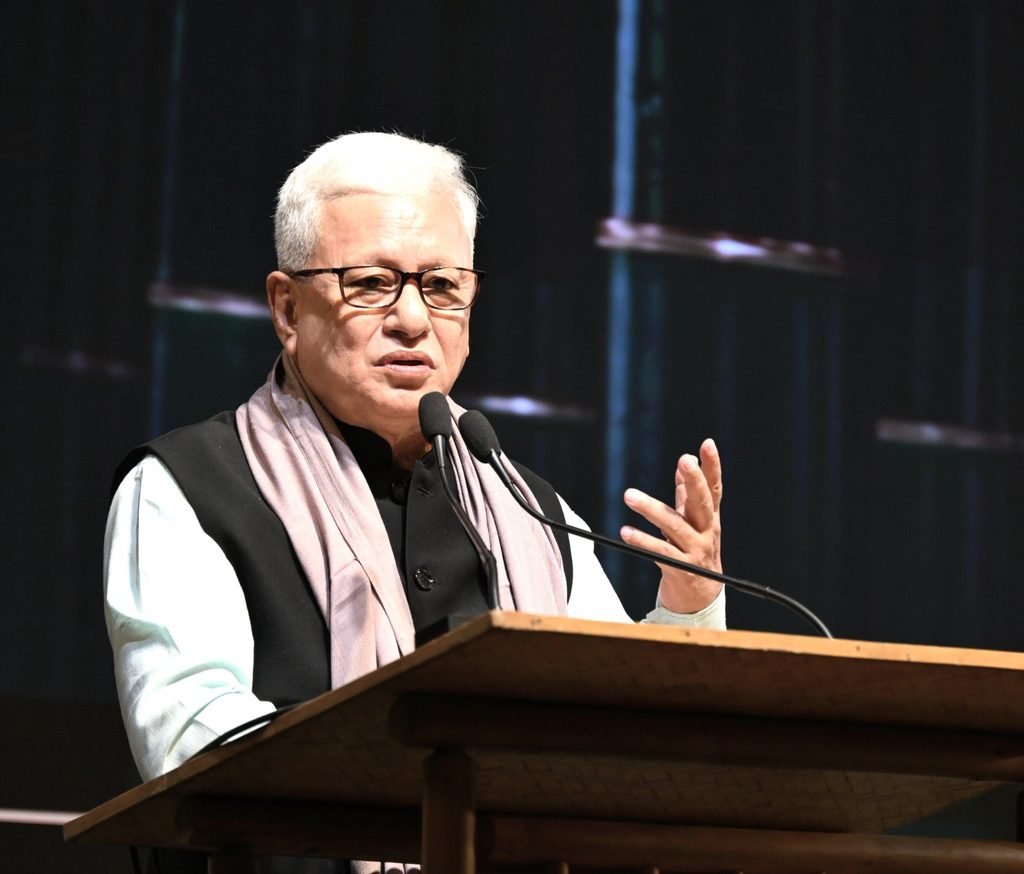
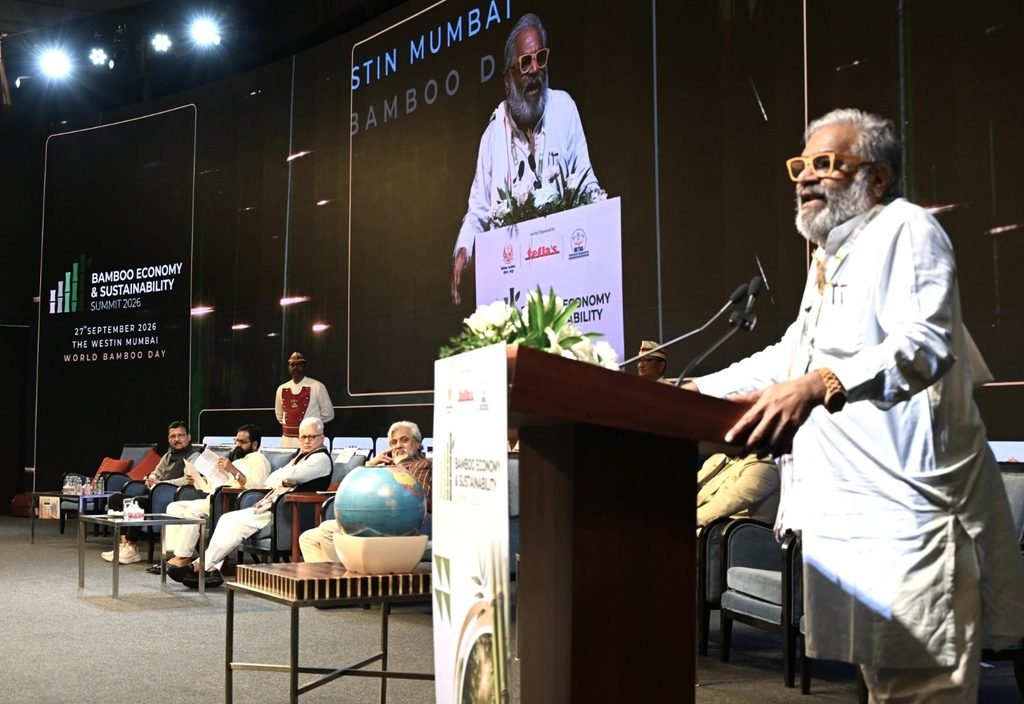
MUMBAI, September 27: “Development today should not become a threat tomorrow,” Maharashtra Governor Jishnu Dev Varma said on Sunday as the state sought to position bamboo not merely as a plantation crop but as the foundation of a wider industrial ecosystem spanning farm incomes, rural employment, manufacturing and renewable energy. Speaking at the Bamboo Economy & Sustainability Summit 2026 in Mumbai, Varma said bamboo could provide sustainable alternatives to some wood and plastic products while creating livelihood opportunities for farmers, artisans, women entrepreneurs and forest-dependent communities. Behind the environmental message lies a considerably larger economic ambition.
Under the Maharashtra Bamboo Industry Policy 2025, the state has set a target of attracting more than ₹50,000 crore in investment, creating five lakh direct and indirect jobs and establishing 15 dedicated bamboo processing and manufacturing clusters.
The policy also proposes using bamboo as an alternative energy source, with a target of replacing 5–7 per cent of coal consumption with bamboo biofuels. These targets are explicitly laid down in the state government’s policy document. Maharashtra Industry Department
The Bigger Challenge: Building a Market
The policy marks an attempt to move Maharashtra’s bamboo economy beyond its traditional association with handicrafts, furniture and small-scale rural use. For farmers, however, plantation alone cannot create a sustainable bamboo economy. The larger challenge will be to establish a chain connecting cultivation, aggregation, processing, industrial consumption and assured markets. Without processing capacity and buyers, expansion of bamboo acreage could create raw-material supply without sufficient demand. The state policy itself recognises this gap. It proposes clusters with anchor units that would integrate the value chain and provide price and market assurance to bamboo growers. The 15 proposed clusters are to cover regions including Gadchiroli, Nagpur, Amravati, Yavatmal, Buldhana, Chhatrapati Sambhajinagar, Latur, Nandurbar, Nashik, Pune, Kolhapur and Ratnagiri-Sindhudurg, with two additional units to be allocated according to demand.
From Bamboo Products to Energy
The most significant shift in the policy is its attempt to treat bamboo as an industrial and energy feedstock, rather than limiting it to conventional products. The policy identifies potential uses in cellulosic ethanol, biomass pellets and bamboo charcoal, besides construction material, paper and pulp, textiles and furniture. It also envisages integration of bamboo biomass with the thermal-power sector. Maharashtra Horticulture and Employment Guarantee Scheme Minister Bharatsheth Gogawale told the summit that bamboo could provide farmers with a long-term income option while also being cultivated on fallow land, farm boundaries, riverbanks and slopes where conventional cropping can be difficult. He said farmers taking up bamboo cultivation under the employment-guarantee programme could receive assistance of around ₹7 lakh per hectare over three years for plantation and maintenance.
Gadchiroli Could Become a Key Link
Governor Varma pointed specifically to Gadchiroli, arguing that districts with significant bamboo resources could build value chains capable of generating employment and supporting forest-dependent communities. He said traditional bamboo craftsmanship would need to be combined with modern design, processing technology, branding and digital marketing if products from Maharashtra were to reach larger domestic and international markets. That approach broadly mirrors the state policy, which identifies market development, industrial infrastructure, exports, skills and value addition as central to making bamboo commercially viable. The policy is valid for five years and provides for annual review of its implementation.
Pasha Patel Pushes Farmer-to-Energy Model
Pasha Patel, chairman of the Maharashtra State Agricultural Price Commission and executive chairman of the Chief Minister’s Environment and Sustainable Development Task Force, said India would have to progressively move away from fossil fuels and develop renewable sources based on agricultural and other biomass. “The farmer who has been an annadata must now become an urjadata,” Patel said, arguing that energy should increasingly be produced from resources available above the ground rather than extracted as fossil fuels from beneath it. Patel has been advocating a bamboo-based biofuel economy as a way of linking climate policy with additional income opportunities for farmers.
2017 Change Opened the Door
A significant regulatory change preceded the current bamboo push. Parliament amended the Indian Forest Act in 2017 by deleting “bamboos” from the Act’s definition of “tree”. The change, effective from November 23, 2017, removed a major regulatory obstacle for bamboo grown outside forests. Maharashtra’s current policy attempts to take the next step — converting that regulatory opening into an industrial ecosystem.
₹50,000 Crore Is a Target — Delivery Will Be the Test
The numbers attached to the policy are ambitious: more than ₹50,000 crore in investment, five lakh direct and indirect jobs and 15 processing and manufacturing clusters. But these are policy targets, not investments or jobs already realised. Their success will depend on whether Maharashtra can create reliable demand for bamboo, establish processing capacity close to cultivation areas, ensure economically viable prices for growers and attract industries willing to invest in products ranging from construction material and furniture to biomass and biofuels. For farmers, the crucial question will therefore not simply be how much bamboo Maharashtra can grow, but who will buy it, process it and at what price. That is where the state’s ₹50,000-crore bamboo ambition will ultimately be tested.


