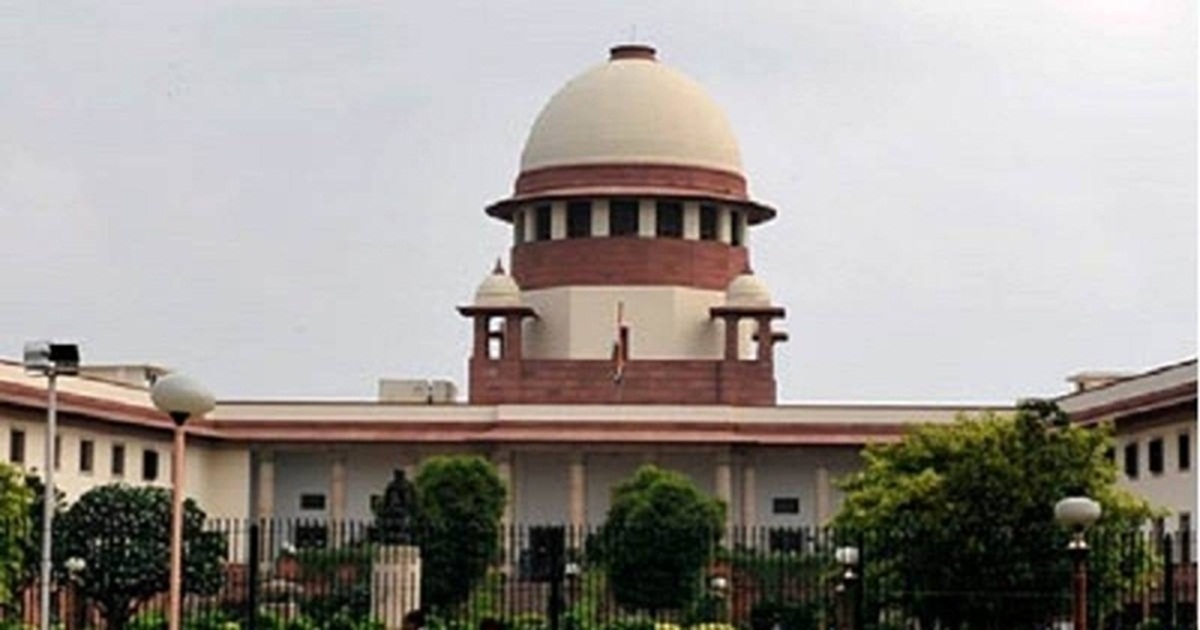
Delhi: In an important development, WhatsApp informed the Supreme Court of India that it will follow directions issued by the Competition Commission of India (CCI) aimed at protecting user choice and consent.
The company withdrew its interim application that had sought relief from implementing these directions. Senior advocate Kapil Sibal, appearing for WhatsApp and Meta, told the court that the platform would fully comply with the order by March 16.
What the New Rules Mean for Users
Under the directions, WhatsApp must introduce a user-consent-based system for sharing personal data with other Meta platforms. This means users will now have a clear option to decide whether their data can be shared or not, instead of being forced to accept one policy to continue using the app.
WhatsApp has already submitted an affidavit explaining how it handles data and is expected to file a compliance report before the CCI, as required by the court.
Main Case on 2021 Privacy Policy Still Pending
While WhatsApp has agreed to implement the data-sharing safeguards, the larger legal battle is not over. The Supreme Court is still hearing the main case challenging WhatsApp’s 2021 privacy policy, which had sparked nationwide concern.
In January 2021, WhatsApp introduced a new policy that removed the opt-out option available in its 2016 policy. Users were told they had to accept the updated terms to continue using the service, effectively making data sharing with Meta compulsory.
CCI Penalty and Findings
After investigating the policy change, the CCI ruled in November 2024 that WhatsApp had misused its dominant position. The regulator imposed a ₹213 crore penalty and ordered WhatsApp to stop sharing user data with Meta companies for five years.
WhatsApp and Meta challenged this decision before the National Company Law Appellate Tribunal (NCLAT). While the NCLAT later set aside some findings related to advertising dominance, it upheld the full penalty imposed by the CCI.
Court’s Sharp Observations
During earlier hearings, the Supreme Court criticised WhatsApp’s “take-it-or-leave-it” policy approach. The bench remarked that such practices appeared unfair to users and raised serious competition concerns.
What Lies Ahead
The CCI has also filed its own appeal in the Supreme Court, seeking to restore the five-year ban on using WhatsApp user data for advertising purposes. The regulator has argued that the case goes beyond privacy and involves serious competition law issues.
For now, WhatsApp users can expect more control over their data. However, the final word on the legality of the 2021 privacy policy will depend on the Supreme Court’s upcoming decisions.