X: @vivekbhavsar
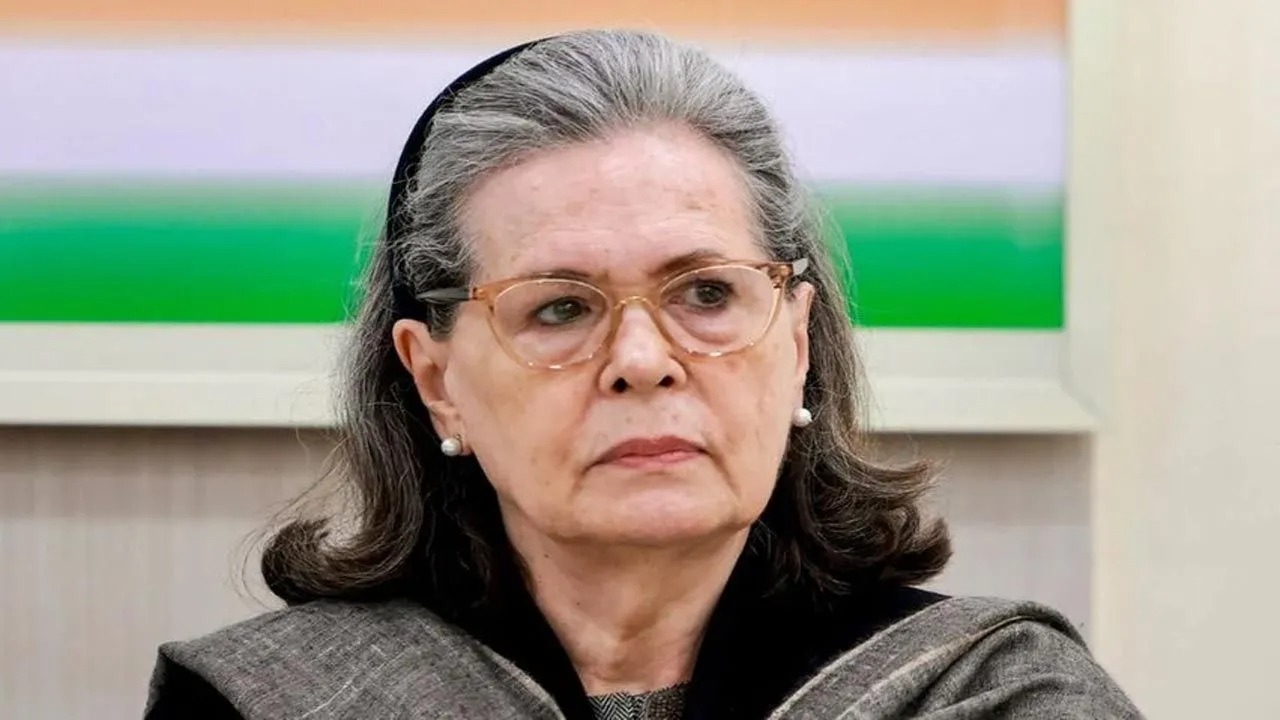
The Bihar Assembly election results have triggered an unusual tremor inside the Congress party — not publicly, but quietly, among its most committed loyalists, old guards and second-generation leaders who rarely speak in harsh tones. For the first time in years, several senior figures are preparing to meet Sonia Gandhi and request her to rethink the party’s leadership direction.
The worry is not just electoral. It is existential.
Multiple senior leaders — including individuals from families that have historically stood by the Gandhis for three generations — admit privately that the party has reached a point where neither the current leadership nor the existing organisational structure can deliver a revival. The discontent is not with strategy alone. It is with the very idea that Congress can continue in its present form and still expect voter confidence.
The dissatisfaction spans both sides of the leadership spectrum.
On one hand, many leaders feel that Mallikarjun Kharge’s presidency has not translated into energy, aggression or electoral coherence. On the other, Rahul Gandhi’s leadership remains a point of deep division — not for ideological reasons, but for electoral arithmetic. Several insiders believe that Rahul’s presence, rather than inspiring neutrality among voters, polarises them and weakens the party’s prospects.
But beneath the leadership debate lies a deeper structural collapse. Most leaders agree that the Congress of today is a party without a cadre. Seva Dal, once the ideological university of the organisation, lies defunct. NSUI — once a national recruitment machine — is now almost absent from campuses. There is no new generation of political workers, no ideological training, and no organised pipeline of leadership emerging from the grassroots.
Also Read: Sunday Special | The New SRA: Where Transparency Meets Dignity
The disconnect between top leaders and the party’s ground reality has become unbridgeable. And the seniors, who once carried districts on their shoulders, admit privately that they no longer command the influence they once had. As one veteran put it, “We are respected, but we can no longer win.”
Perhaps the most symbolic trend is the steady exit of heirs of iconic Congress families — Scindias, Jitins, Deoras, RPN Singhs, Sushmita Dev and many others. Except for a handful of families who continue to hold out due to ideological loyalty, most political heirs have crossed over to the BJP. The message is clear: the old Congress ecosystem is collapsing not from outside pressure, but from internal exhaustion.
For some leaders, Bihar was the final reminder that the party needs not a 2029 plan, but a 10-year rebuilding project. Without organisational revival, cadre training, youth mobilisation and a fresh leadership structure, the party risks becoming a parliamentary pressure group rather than a national alternative.
For now, the discontent remains behind closed doors. But the conversations are happening. And for a party that once produced prime ministers every generation, the concern is simple:
If Congress cannot reinvent itself now, it will not get another opportunity.