India’s sports scene changed quietly but significantly over the past year, from one off events to a system in the works. In cricket, athletics, parasport, chess, hockey, and grassroots competitions, depth took the place of dependency, and consistency took the place of coincidence. As the Asian Games in Japan get closer, this article looks at how Indian sports are learning to keep winning and why their journey is important outside of India.
X: @anjanasasi
Kozhikode: India’s success in sports other than cricket has mostly been defined by moments rather than momentum. For example, a single champion, a rare medal, or a fleeting global headline. That pattern has started to change over the past year. India has stopped relying on a few exceptional people to represent its sports and has instead started to build something more lasting: depth.
Wins and podium finishes came from all types of people, regardless of gender, discipline, or skill level. This wasn’t a coincidence; it was a sign of gradual structural change. Indian sports are starting to look like a system in the making. For example, Olympic champion Neeraj Chopra is consistent in athletics, teenage chess players are challenging the best players in the world, women’s cricket is winning its biggest prize, and blind and para-athletes are redefining what it means to be an elite athlete.
This was not a year of perfection. It was a year of direction. As the ‘Asian Games’ in Japan approach in September 2026, India’s sporting trajectory holds regional and global significance, not only for its potential achievements but also for the evolution of large, diverse sporting nations.
Cricket: A Broader Centre of Gravity
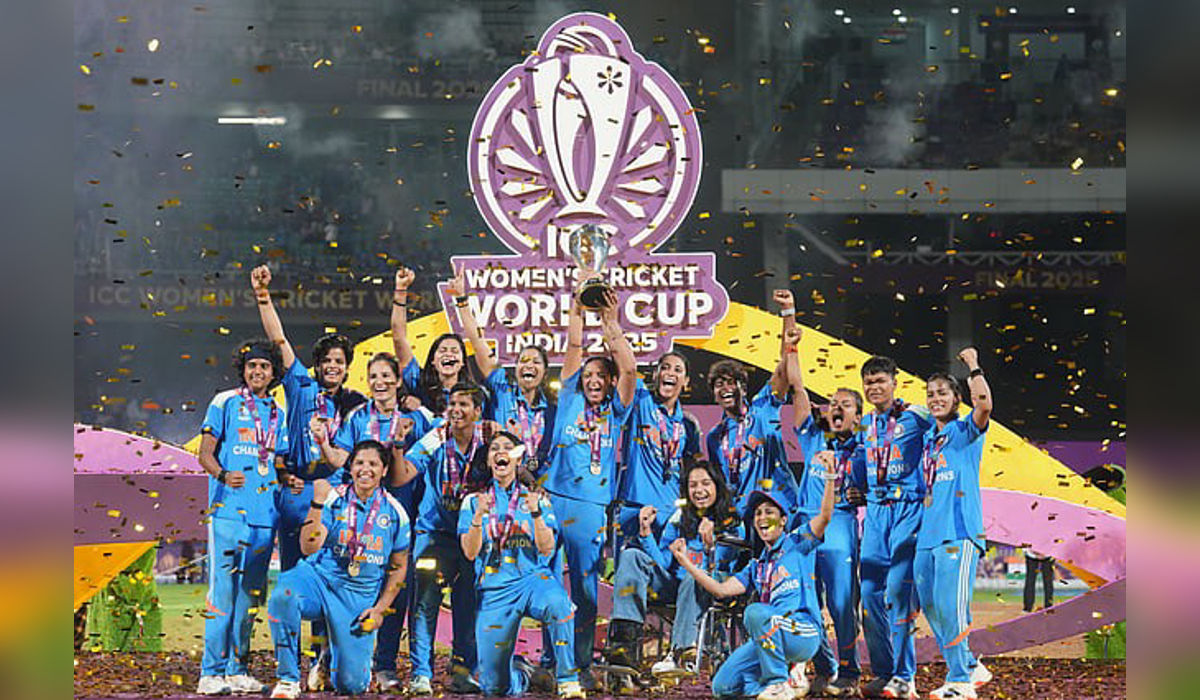
Cricket is still the heart of India, but the country has changed in some ways. The Indian women’s team’s World Cup win was a turning point. Smriti Mandhana, Harmanpreet Kaur, Jemimah Rodrigues, Pratika Rawal, Deepti Sharma, Shafali Verma, and the other outstanding players represented a new era of confidence and visibility.
Women’s cricket in India has gone from being a novelty to something that is taken seriously, as shown by the number of fans, sponsorships, and consistent performance.
Equally significant, though far less visible internationally, was India’s victory in the first-ever Blind Women’s Cricket World Cup. Played with minimal commercial backing or media attention, the win expanded the definition of elite sport in India and raised broader questions about inclusion, recognition, and whose achievements shape national sporting narratives.
Men’s cricket continued a carefully managed transition, blending emerging talent such as Yashasvi Jaiswal, Tilak Verma, Abhishek Sharma, Varun Chakravarthy, and Arshdeep Singh with experienced leaders including Rohit Sharma, Virat Kohli, Jasprit Bumrah, Hardik Pandya, Shubman Gill, Rishabh Pant, Sanju Samson, and Kuldeep Yadav, all assuming greater responsibility.
Rather than reflecting a period of crisis, the year demonstrated continuity, a hallmark of sporting systems that have learnt to regenerate. India currently leads the ICC rankings in both One-Day Internationals and T20 internationals while ranking fourth in Test cricket.
Athletics: Reliability at the Top Level
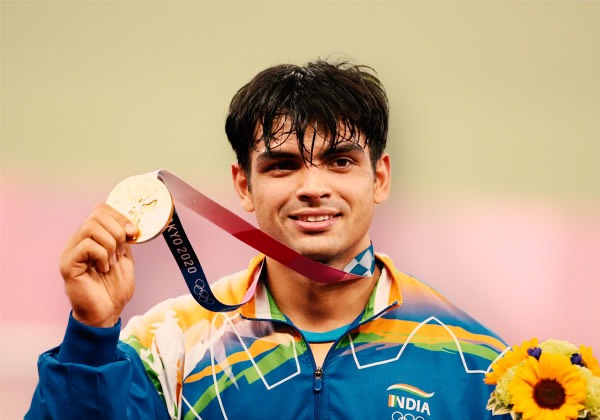
If one athlete represented India’s sporting maturity, it was Neeraj Chopra. His repeated podium finishes on the global circuit reinforced a quality Indian athletics has historically lacked: reliability under pressure. Chopra is no longer chasing history; he is setting standards.
Crucially, he is no longer alone. In 2025, while Neeraj Chopra remained prominent, Sachin Yadav emerged as a major contender, winning gold at the National Games and silver at the Asian Championships. Kishore Jena emerged as a second javelin contender, Avinash Sable continued to challenge Asia’s best in the steeplechase, and Indian relay teams consistently reached finals. For the first time in decades, Indian athletics shows signs of depth rather than dependence.
Para Sports: Consistency without Conditions
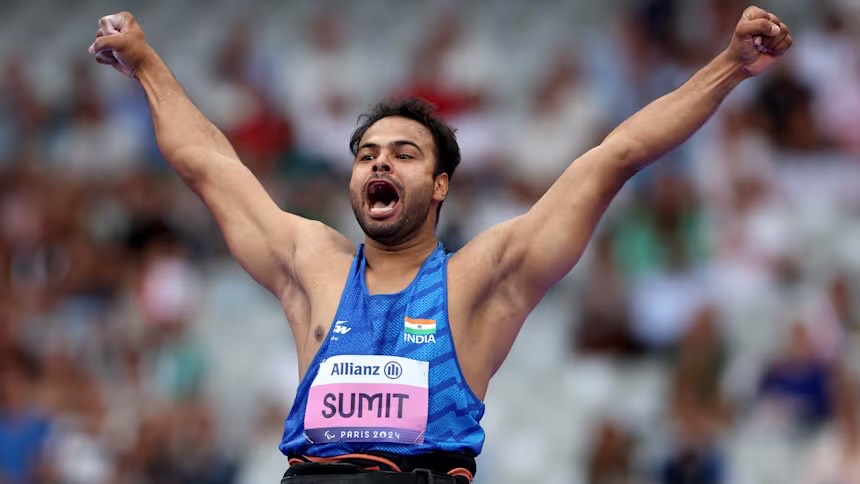
In 2025, India’s para athletes were once again some of the country’s best and most reliable sports ambassadors. In international para athletics and shooting events, athletes like Sumit Antil, who holds the world record in javelin, Avani Lekhara, who holds the world record in shooting, Pramod Bhagat, who holds the world record in para badminton, and Mariyappan Thangavelu, who holds the world record in high jump, kept getting on the podium with amazing regularity.
It wasn’t just the medals that made the year stand out; Indian para athletes competed to win, not just taking part. India is now a serious global force in para-sport thanks to better access to coaching, sports science, and international exposure. Their performances in 2025 made a big change even bigger: para-athletics is no longer a separate story in Indian sports; it is now a key part of its elite competitive identity.
Hockey, Wrestling, and Kabaddi: Tradition Meets Transition
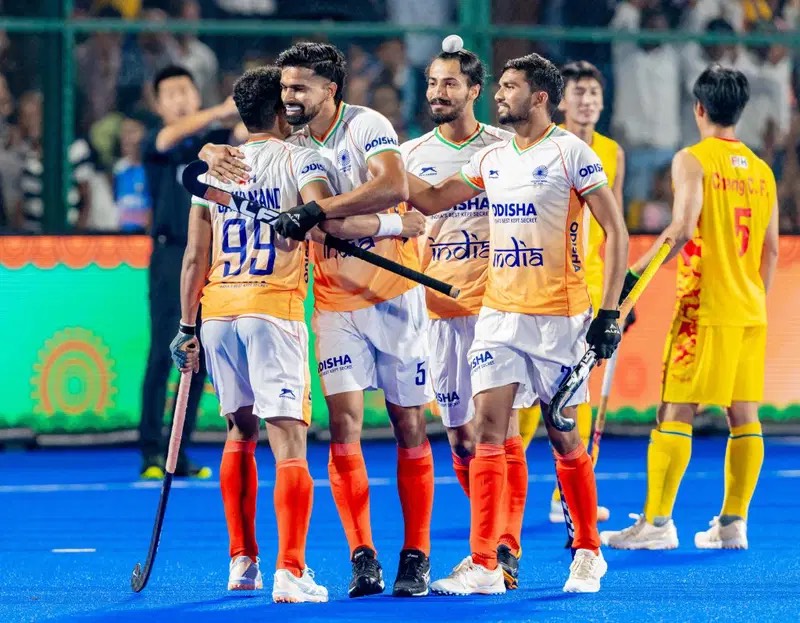
In 2025, Indian hockey didn’t have any big wins; instead, it was a year of resetting. The men’s and women’s teams both worked on building depth and tactical stability. Led by Harmanpreet Singh, the men’s team demonstrated strength in high-pressure international games, particularly through improved defensive organisation and penalty-corner efficiency, although consistency was still a work in progress.
The women’s team underwent a period of change, trying new things and introducing younger players. Savita Punia was the team’s anchor, and Salima Tete was one of the new leaders. There weren’t many podium finishes, but the year was important because it focused on fitness goals, rotating teams, and planning for the future.
The men’s and women’s programs in 2025 laid important groundwork for Indian hockey, giving it the balance and confidence it needs to compete better as it prepares for major continental and global events in the future.
Despite administrative challenges, Indian wrestling continued to deliver results in 2025, underlining the sport’s enduring strength. Wrestlers such as Bajrang Punia, Sakshi Malik, Antim Panghal, Aman Sehrawat, and Deepak Punia reached podiums across Asian championships and international ranking events.
The year highlighted resilience and depth, with younger wrestlers also making an impact, reinforcing wrestling’s position as one of India’s most consistent medal-producing sports on the continental stage.
Kabaddi remained one of India’s most reliable sporting exports. Supported by professional league structures, players such as Pardeep Narwal sustained dominance while strengthening grassroots identification, offering a model for how indigenous sports can thrive globally.
Chess: India’s Quiet Global Challenge
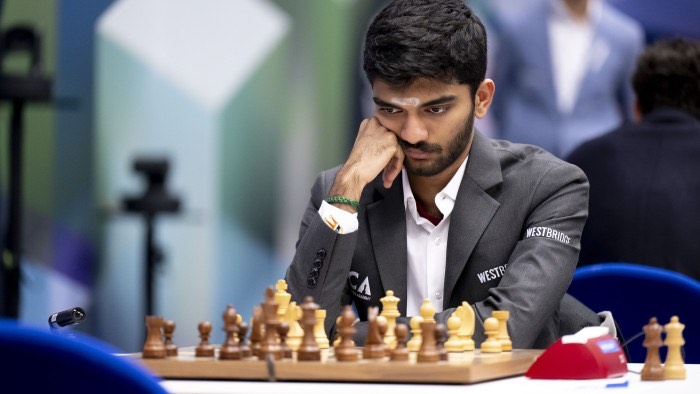
Indian chess continued its remarkable rise in 2025, consolidating the country’s position as one of the world’s fastest growing chess powers. Young grandmasters such as D Gukesh, R Praggnanandhaa, Arjun Erigaisi, and Nihal Sarin consistently challenged and defeated elite international opposition across major tournaments, while experienced players provided stability and mentorship.
Backed by strong domestic competition, digital access, and the enduring influence of Viswanathan Anand, India’s chess success in 2025 was defined not by isolated brilliance but by depth, consistency, and a generational shift that is reshaping the global chess landscape.
Fine Margins: Badminton, Table Tennis, and Tennis
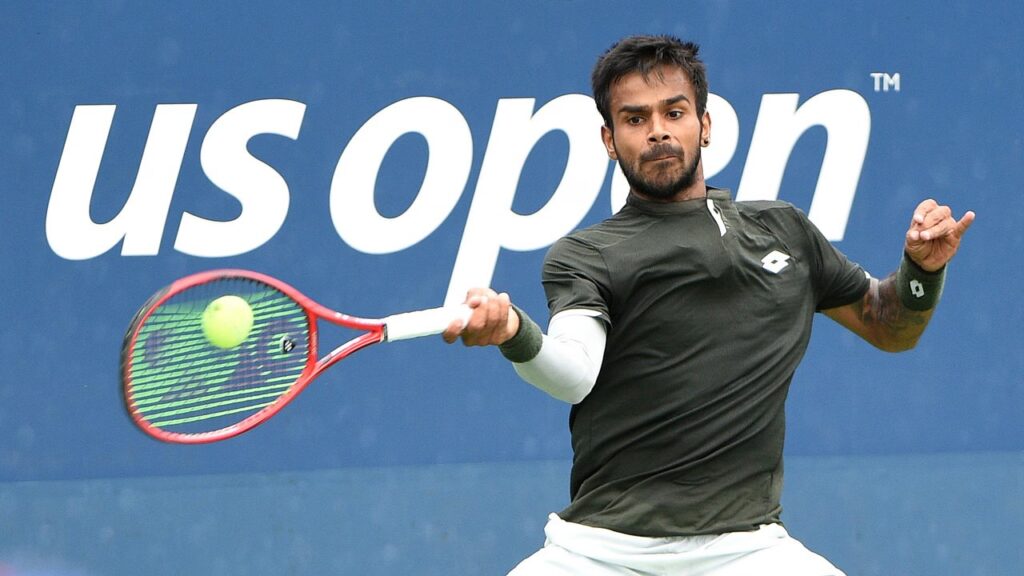
Indian tennis in 2025 saw steady progress, particularly in doubles. Sumit Nagal remained India’s leading singles player and a key presence in Davis Cup ties, while doubles specialists Yuki Bhambri, N Sriram Balaji, and Rithvik Bollipalli delivered strong performances at Wimbledon and the US Open.
In women’s tennis, Ankita Raina and Sahaja Yamalapalli led India at the Billie Jean King Cup, with younger players gaining valuable exposure. The year reflected resilience and depth, even as top-level singles breakthroughs remain elusive.
In 2025, Indian badminton had a mix of top level consistency and up and coming talent. The best thing that happened was that Satwiksairaj Rankireddy and Chirag Shetty became the first Indian men’s doubles pair to make it to the semi-finals of the BWF World Tour Finals.
Treesa Jolly and Gayatri Gopichand showed how talented they are by successfully defending their Syed Modi International title in women’s doubles. Established players like PV Sindhu and Lakshya Sen continued to compete in major events like the India Open, All England, and World Championships.
At the same time, young talents like Tanvi Sharma and Ayush Shetty showed that the next wave of progress was coming. With a steady schedule of events in India set up by the Badminton Association of India, 2025 showed depth, continuity, and hope for the future.
Table tennis showed incremental progress through Manika Batra and Sharath Kamal, while Indian tennis relied on doubles expertise from Rohan Bopanna to remain internationally relevant.
Grassroots and a Broader Sporting Ethic
Beyond elite competition, the most promising signals emerged at junior and grassroots levels. Across athletics, shooting, wrestling, weightlifting, and football, youth systems showed continuity rather than randomness. A crucial marker for long term sustainability.
Equally important was a philosophical shift. Questions of athlete mental health, inclusion, gender equity, disability access, and life beyond competition are becoming increasingly prominent in Indian sport. Success in blind and para sports challenged entrenched hierarchies of visibility and broadened definitions of national pride.
Also Read: A Milestone Beyond Numbers: Smriti Mandhana Joins the 10,000-Run Club
Looking Ahead: Asia Games Japan 2026
The Asian Games in Japan will be a critical test. Japan’s emphasis on sports science, athlete welfare, and organisational excellence will demand not just talent, but also preparation and depth. India enters this cycle with realistic medal potential across athletics, wrestling, shooting, badminton, hockey, Kabaddi, chess, and para-sports.
The challenge will be execution sustaining form, managing injuries, and converting finalists into medallists.
Why This Matters Beyond India
The important thing about this moment is not India’s medal count, but the way it is going. India’s growth as one of Asia’s largest sports ecosystems has lessons for other developing sports nations that are dealing with size, diversity, and inequality.
India is no longer waiting to be a part of the world of sports. It is starting to figure out where it fits in.