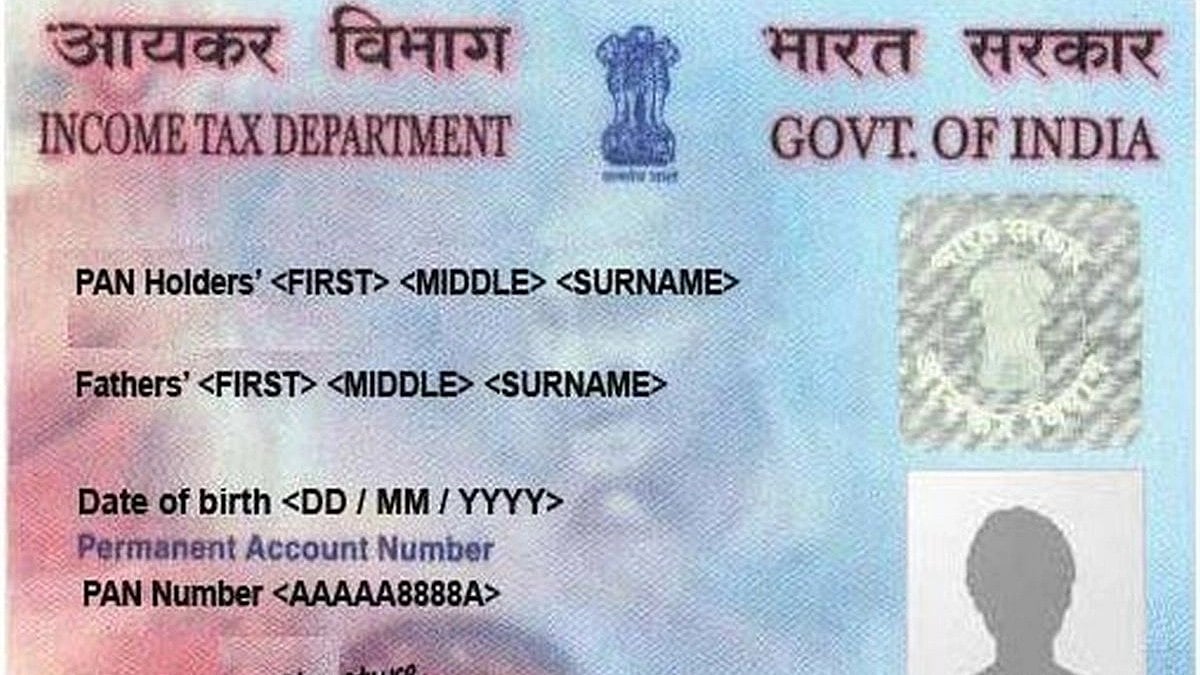
New Delhi: The government is planning significant updates to how Permanent Account Numbers (PAN) are used in financial transactions, aiming to simplify compliance for ordinary citizens while strengthening scrutiny of large cash movements. These changes are part of the proposed Income‑tax Rules 2026, which will support the implementation of the new Income Tax Act 2025 starting April 1, 2026.
Under the draft proposal, the requirement to quote PAN will shift from frequent daily thresholds to higher cumulative limits, making everyday financial activities less cumbersome for most taxpayers.
Key Revisions Proposed in PAN Regulations
1. Higher Thresholds for Cash Transactions
Currently, individuals must provide PAN when depositing or withdrawing over ₹50,000 in a single day. The updated rule suggests that PAN will be mandatory only if total cash deposits or withdrawals in a year reach ₹10 lakh or more across all accounts — easing restrictions on routine cash use.
2. Vehicle Purchase PAN Rules Linked to Value
Under the new framework, PAN will be required only for vehicle purchases above ₹5 lakh regardless of type. This contrasts with existing norms where any vehicle (other than two‑wheelers) mandates PAN, even if the purchase value is low.
3. Higher Payment Limits for Hotels and Events
The draft rules propose that PAN will be necessary only when payments to hotels, restaurants, wedding halls, or event organizers exceed ₹1 lakh. Present regulations require PAN for such payments over ₹50,000.
4. Property Deal Thresholds Increased
For property transactions like sales, gifts, or joint development agreements, PAN will be obligatory only if the property value is more than ₹20 lakh. This doubles the current ₹10 lakh threshold, lowering paperwork for smaller deals.
5. Expanded PAN Requirements for Insurance Accounts
Under the draft update, policyholders will need to submit PAN to open almost all types of insurance accounts, replacing older rules that applied only when annual life insurance premiums crossed ₹50,000.
What Happens Next?
The Central Board of Direct Taxes (CBDT) will review public comments and stakeholder feedback before finalizing the rules. If approved, these changes are expected to take effect simultaneously with the Income Tax Act 2025 on April 1, 2026.
Officials say the revisions are intended to simplify tax compliance for millions of taxpayers, reduce unnecessary documentation, and focus PAN reporting on larger financial activities that may warrant closer monitoring.