
Dr. Sanjay Mukherjee presents MMRDA’s integrated metropolitan-development model in Switzerland; discussions held with World Economic Forum leadership on future collaboration.
Mumbai: In a significant international endorsement of Mumbai’s ongoing urban transformation, the Mumbai Metropolitan Region Development Authority (MMRDA) participated in the prestigious World Economic Forum-linked Davos Baukultur Alliance Annual Meeting 2026 held at the globally renowned Zentrum Paul Klee in Bern, Switzerland. Representing the Mumbai Metropolitan Region, Dr. Sanjay Mukherjee, IAS, Metropolitan Commissioner of MMRDA, engaged in strategic discussions with global urban-development leaders and held a focused meeting with Mr. Alois Zwinggi, President and Chief Executive Officer of the World Economic Forum (WEF), on future collaboration between MMRDA and the Forum.
The annual meeting, organised under the theme “Liveable Places,” brought together leading voices from infrastructure, urban planning, finance, governance, architecture, sustainability, and public policy to discuss future-ready and people-centric urban development models. MMRDA’s participation reflects the growing international recognition of Mumbai as one of the world’s most ambitious metropolitan transformation corridors, where large-scale infrastructure delivery, integrated mobility systems, climate resilience, and regional economic growth are being pursued simultaneously through a unified institutional framework.
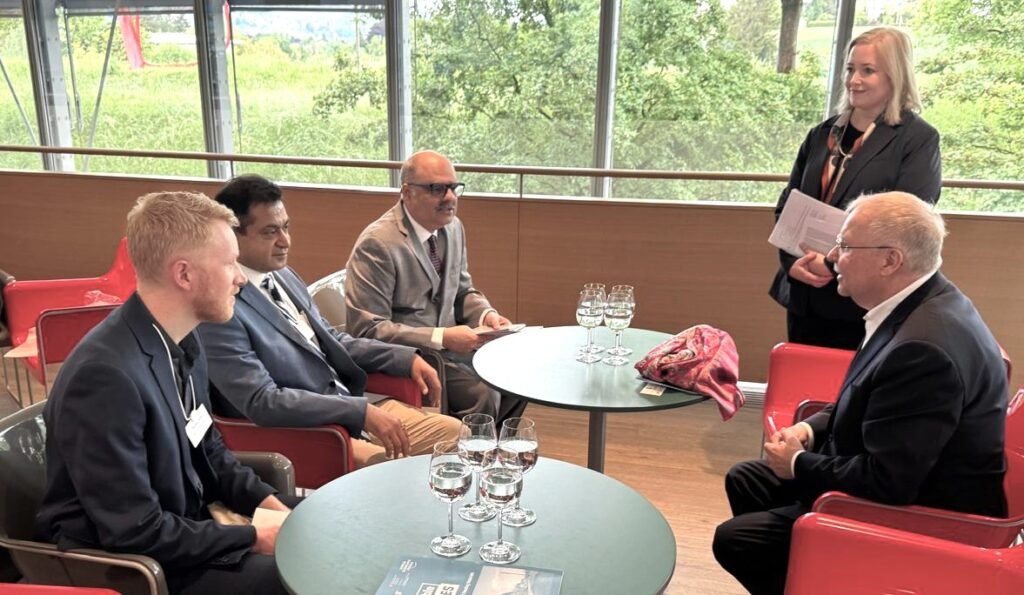
During the session titled “Before the First Brick: Aligning Capital with Quality,” Dr. Mukherjee highlighted Mumbai’s experience in infrastructure-led metropolitan transformation and stressed the importance of integrating sustainability, resilience, mobility, and citizen-centric planning at the earliest stages of project development. He also presented MMRDA’s ongoing initiatives including large-scale metro expansion, underground mobility corridors, multimodal transport integration, Transit-Oriented Development (TOD), regional growth hubs, and the Authority’s broader “Mumbai in Minutes” and “Mumbai 3.0” vision frameworks.
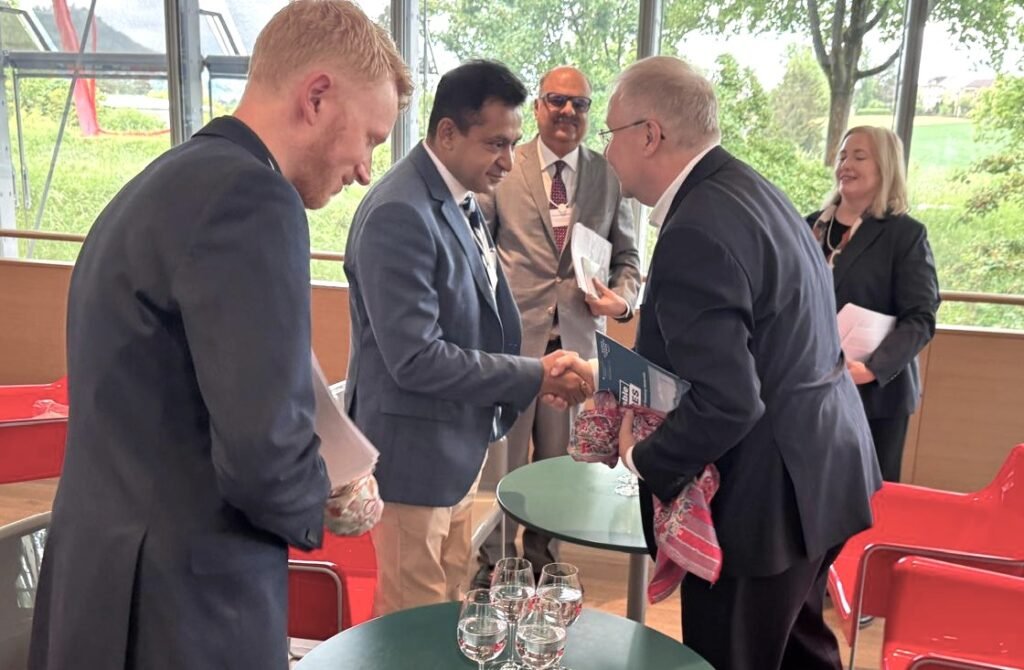
The scale and complexity of Mumbai’s transformation generated significant interest among international stakeholders, particularly the challenge of modernising one of the world’s most densely populated metropolitan regions while simultaneously building future-ready infrastructure ecosystems. On the sidelines of the meeting, Dr. Mukherjee held discussions with WEF President and CEO Mr. Alois Zwinggi regarding the future roadmap of MMRDA’s engagement with the Forum, including extension of the existing Memorandum of Collaboration beyond September 2026 and deeper participation under the WEF Centre for Urban Transformation initiatives.
Dr. Mukherjee also invited Mr. Zwinggi to visit Mumbai as part of the next phase of MMRDA–WEF engagement. MMRDA and the World Economic Forum had earlier signed a Memorandum of Collaboration in Mumbai on 12 September 2024 to cooperate on sustainable urban development, infrastructure transformation, investment facilitation, and future-ready metropolitan planning.
Speaking on the occasion, Dr. Sanjay Mukherjee said, “The Mumbai Metropolitan Region today represents one of the world’s most important urban growth and infrastructure transformation corridors. MMRDA remains committed to building a globally competitive, climate-resilient, liveable, and future-ready metropolitan economy through integrated infrastructure, mobility, sustainability, and long-term regional planning.”
He added that Mumbai’s urban transformation journey offers valuable global lessons in integrated mobility systems, infrastructure-led economic growth, climate-conscious development, and metropolitan-scale governance. MMRDA stated that it will continue collaborating with national and international institutions, investors, policymakers, and global urban-development platforms to strengthen sustainable growth, mobility, innovation, and quality of urban life across the Mumbai Metropolitan Region.


