

Bhopal: For decades, Madhya Pradesh has been marketed primarily through its wildlife reserves, heritage monuments and spiritual destinations. However, a quieter transformation is underway. As domestic travellers increasingly seek experiential and seasonal tourism, the state is positioning monsoon tourism as a strategic pillar of its tourism economy.
From the rain-soaked ruins of Mandu to the mist-covered hills of Pachmarhi and the tranquil waters of Tawa, Madhya Pradesh is promoting destinations that come alive during the monsoon months, offering visitors an alternative to overcrowded tourist hotspots.
Tourism experts say the strategy reflects a broader shift in India’s travel industry. Instead of relying solely on peak-season tourism, states are increasingly developing year-round tourism products to improve occupancy rates, support local economies and generate employment in smaller towns.
Mandu: History Meets Landscape
Few places illustrate this approach better than Mandu in Dhar district. During the monsoon, the medieval city is transformed by lush greenery, overflowing water bodies and dramatic cloud formations.
The iconic Jahaz Mahal, surrounded by the Kapur and Munj tanks, appears to float on water, while the nearby Kakra Khoh waterfall attracts visitors seeking natural landscapes alongside heritage experiences.
The Rani Roopmati Pavilion, overlooking the Narmada valley, offers panoramic views that have become increasingly popular among photographers and weekend travellers.
Pachmarhi’s Growing Appeal
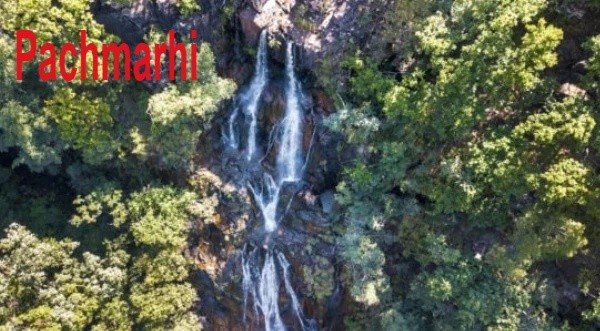
Often called the “Queen of Satpura,” Pachmarhi remains Madhya Pradesh’s only hill station and one of its most significant monsoon attractions.
Seasonal waterfalls, dense forests and cooler temperatures make the region particularly attractive during the rainy season. Tourism infrastructure in the area has also expanded, with government-operated accommodations and adventure activities such as cycling trails helping attract younger travellers.
Industry observers note that experiential tourism, including nature walks, cycling and eco-tourism activities, is becoming a major draw for domestic tourists.
Bhopal’s Urban Tourism Model
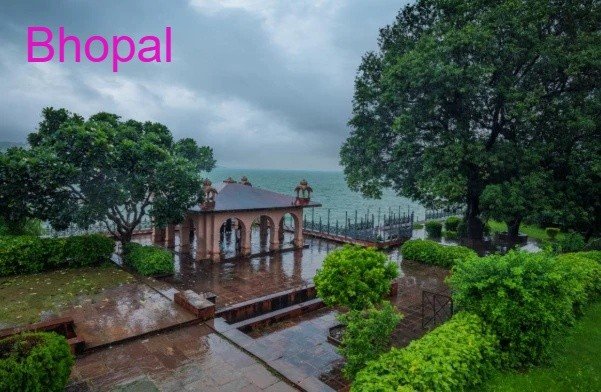
The state capital offers a different tourism model.
During the monsoon, attractions such as Van Vihar National Park, Upper Lake, Bharat Bhavan and the Kerwa-Kaliyasot corridor showcase how urban centres can combine environmental assets, cultural institutions and recreational spaces to attract visitors.
Officials believe such integrated tourism experiences can encourage longer visitor stays and increase local spending.
Tawa and Amarkantak: Emerging Nature Destinations
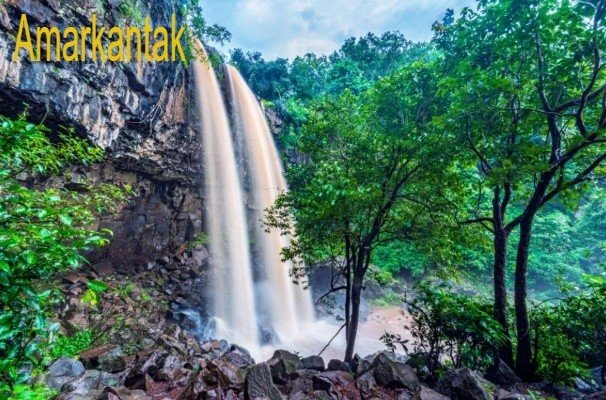
Beyond the state’s established circuits, destinations such as Tawa and Amarkantak are gaining visibility.
The Tawa reservoir region offers scenic landscapes and eco-tourism opportunities, while Amarkantak, the origin point of the Narmada River, combines spirituality with natural attractions including the Kapildhara and Dugdhdhara waterfalls.
These locations form part of a broader effort to distribute tourism benefits beyond major cities and established destinations.
Tourism as an Economic Driver
According to tourism sector analysts, monsoon tourism is no longer merely a seasonal attraction. It is increasingly being viewed as a tool for regional development.
By promoting lesser-known destinations during the rainy season, states can support hotels, transport operators, local guides, restaurants and small businesses that traditionally experience lower visitor numbers during off-peak months.
For Madhya Pradesh, the monsoon tourism push aligns with a larger strategy of diversifying its tourism portfolio beyond wildlife and heritage tourism.
As travellers increasingly seek authentic experiences, scenic landscapes and short weekend getaways, the state’s rain-washed destinations may prove that tourism growth does not always require new attractions—sometimes it simply requires showcasing familiar places in a different season.
The Bottom Line: Madhya Pradesh’s monsoon destinations are not merely scenic retreats; they represent a growing tourism strategy aimed at extending the travel season, boosting local economies and positioning the state as a year-round destination for domestic travellers.


