

From Neeraj Chopra and Mirabai Chanu to Josh Kerr and Adam Peaty, Glasgow 2026 promises eleven days of elite competition, emerging stars and a fresh chapter for one of the world’s oldest multi-sport events.
Glasgow: Eleven days. Ten sports. Six para-sports. More than 3,000 athletes. Seventy-four nations and territories. Two hundred and fifteen gold medals.
When the XXIII Commonwealth Games open in Glasgow on July 23, they will represent far more than another multi-sport spectacle. They mark the rebirth of an event that faced genuine uncertainty before Scotland stepped forward to host a streamlined yet highly competitive edition.
Over the next eleven days, Glasgow will once again become the sporting heart of the Commonwealth, welcoming Olympic champions, Paralympic icons, reigning world champions and ambitious newcomers chasing defining moments in their careers.
Unlike previous editions, Glasgow 2026 embraces a more compact format. The reduced programme has inevitably raised the standard of competition, ensuring that every medal event carries greater significance.
For established stars, these Games offer another opportunity to strengthen their legacy. For emerging athletes, Glasgow provides the perfect stage to announce themselves before attention shifts towards the Los Angeles 2028 Olympic Games.
A New Chapter for the Commonwealth Games
The Games arrive at a pivotal moment for international sport.
Questions surrounding financial sustainability, hosting responsibilities and the long-term future of large multi-sport events have increasingly challenged the Commonwealth movement. Glasgow’s willingness to stage a leaner, financially sustainable edition may well become a blueprint for future hosts.
Yet nothing has been sacrificed where sporting quality is concerned.
Athletics, swimming, cycling, gymnastics, boxing, weightlifting, judo, bowls, netball and 3×3 basketball promise world-class competition featuring many of the biggest names in global sport.
Para sport remains one of the defining strengths of the Commonwealth Games, with a record 47 gold medals reinforcing the event’s long-standing commitment to inclusion and equality.
Athletics Once Again Takes Centre Stage
As always, athletics is expected to dominate the headlines.
Few rivalries promise greater anticipation than the men’s javelin throw, where India’s Olympic champion Neeraj Chopra renews his rivalry with Pakistan’s reigning Olympic and Commonwealth champion Arshad Nadeem.
Chopra’s technical precision and rhythm will once again be tested against Nadeem’s explosive power, continuing one of modern athletics’ most compelling rivalries.
Another highlight is the return of the historic Commonwealth Mile.
Fresh from rewriting the world record, Scotland’s Josh Kerr will attempt to inspire the home crowd alongside compatriots Jake Wightman, Laura Muir, Neil Gourley and Jemma Reekie.
The atmosphere at Scotstoun Stadium promises to rival any major championship as Scotland’s proud middle-distance tradition meets a new generation of challengers.
Sprint events will be equally captivating.
England’s Zharnel Hughes, Nigeria’s Kayinsola Ajayi, Kenya’s Ferdinand Omanyala, and Canada’s powerful relay programme ensure exceptional depth in the men’s competition.
On the women’s side, Jamaica, England and Australia once again possess remarkable sprinting talent capable of producing world-class finals.
India Targets Another Strong Campaign
India arrives in Glasgow with genuine ambitions of another top-four finish on the medal table.
Athletics remains the country’s strongest medal prospect, led by Neeraj Chopra. Weightlifting also carries enormous expectations.
Double Commonwealth champion Mirabai Chanu returns to the city where her remarkable Commonwealth journey began in 2014, while Bindyarani Devi and Harjinder Kaur will attempt to convert previous silver medals into gold.
Indian boxing once again enters the Games with world-class credentials.
Olympic medallist and multiple-time world champion Lovlina Borgohain will be determined to capture the one major title still missing from her collection.
Alongside her, world champion Jaismine Lamboria strengthens India’s medal prospects in what is expected to be one of the Games’ most competitive boxing programmes.
India’s overall success, however, will depend on more than its established stars.
Birmingham 2022 demonstrated the country’s growing strength across multiple sports. Glasgow now offers the opportunity to prove that success was not an isolated achievement, but the beginning of sustained excellence.
Australia, England and Canada Set the Benchmark
Australia once again enters the Games as the benchmark nation.
Its extraordinary depth across swimming, athletics, cycling and netball makes it the team every country must chase.
Olympic champions Mollie O’Callaghan, Kyle Chalmers, Jessica Hull, Matt Denny and Eileen Cikamatana headline an Australian squad capable of challenging for medals in almost every discipline.
England combines proven champions with exciting emerging talent.
Olympic breaststroke champion Adam Peaty, sprint cyclist Matthew Richardson, alongside world-class gymnasts, swimmers, weightlifters and netball players, provide England with remarkable versatility.
Canada, New Zealand, Jamaica, Kenya, Nigeria and South Africa each possess specialists capable of dominating individual events, ensuring the medal table is likely to fluctuate throughout the Games.
Home Advantage Could Prove Decisive
Few cities understand the Commonwealth Games quite like Glasgow.
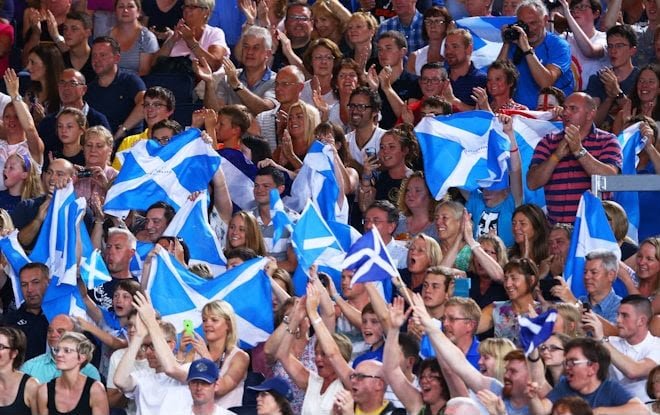
Having hosted a memorable edition in 2014, Scotland once again welcomes the Commonwealth with enormous public enthusiasm.
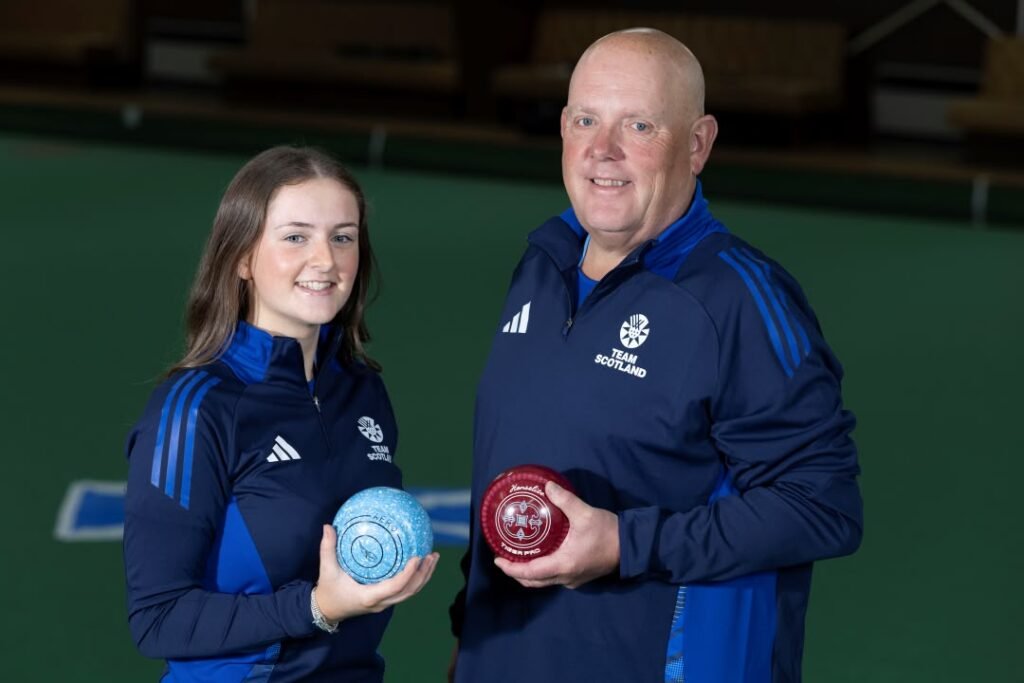
Local heroes including swimmer Duncan Scott, middle-distance star Josh Kerr, Paralympic cyclist Neil Fachie, and bowls legend Alex Marshall will compete before passionate home crowds capable of turning marginal advantages into unforgettable victories.
History repeatedly demonstrates the value of home support.
Confidence grows.
Pressure shifts.
Small margins become decisive.
Scotland may not challenge Australia or England for overall supremacy, but home advantage could significantly increase its medal tally.
Para Sport Continues to Inspire
One of Glasgow’s defining characteristics remains the seamless integration of para sport into the main programme.
Awarding the first gold medal of the Games in para powerlifting sends a powerful message about visibility, equality and inclusion.
Throughout the competition, Paralympic champions will compete alongside Olympic medallists, reinforcing one of the Commonwealth Games’ most distinctive identities as one of the world’s most inclusive sporting events.
More Than Medals
Beyond the competition itself, Glasgow 2026 celebrates community, sustainability and accessibility.
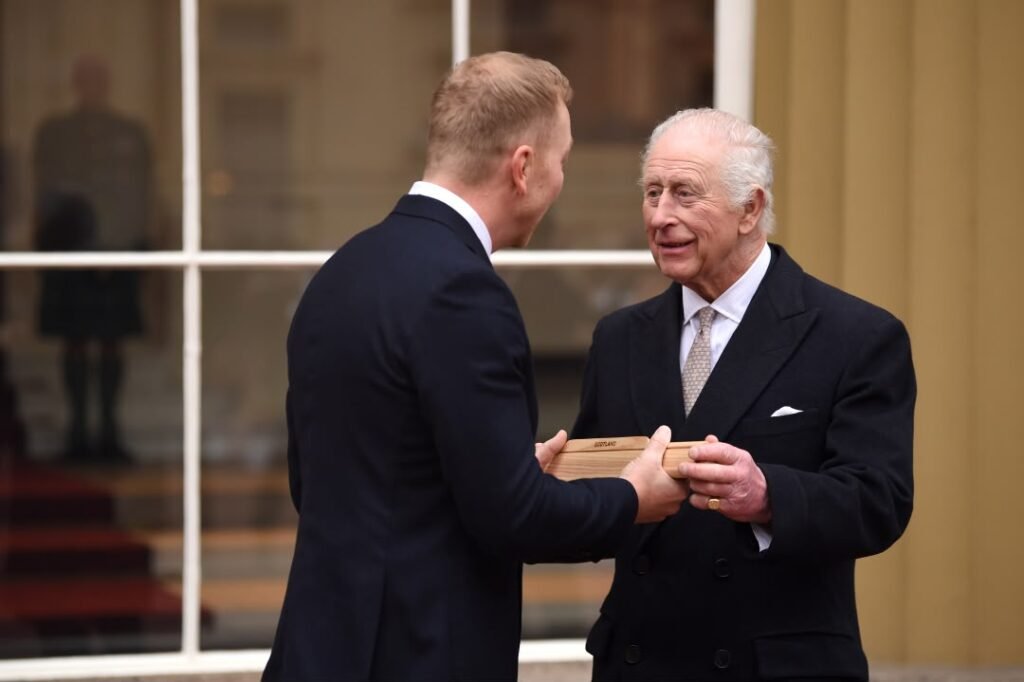
The King’s Baton Relay has travelled across all 74 Commonwealth nations and territories in the longest relay in Games history before returning to Glasgow for the Opening Ceremony.
Across the city, public celebrations, community initiatives and the symbolic Commonwealth Mile reflect the organisers’ determination to reconnect the Games with local communities while embracing a more sustainable future.
The Final Word
Every Commonwealth Games creates its defining stories.
Some belong to legendary champions defending their crowns.
Others emerge through unknown athletes seizing an unexpected opportunity.
Glasgow 2026 appears perfectly positioned to deliver both.
For India, these Games represent another opportunity to confirm its growing status as one of the Commonwealth’s leading sporting nations.
For Scotland, they offer the chance to demonstrate once again that world-class sporting events can thrive through innovation, financial responsibility and passionate community support.
And for the Commonwealth movement itself, Glasgow may prove to be far more than another host city.
When the King’s Baton finally arrives at the OVO Hydro and the cauldron is lit, eleven days of fierce rivalry, remarkable resilience and unforgettable sporting theatre will begin.
By the time the final medals are awarded on August 3, Glasgow is unlikely to be remembered simply as the city that hosted the Games.
It may instead be remembered as the place where the Commonwealth Games successfully reinvented themselves—without losing the spirit that has defined them for almost a century.


