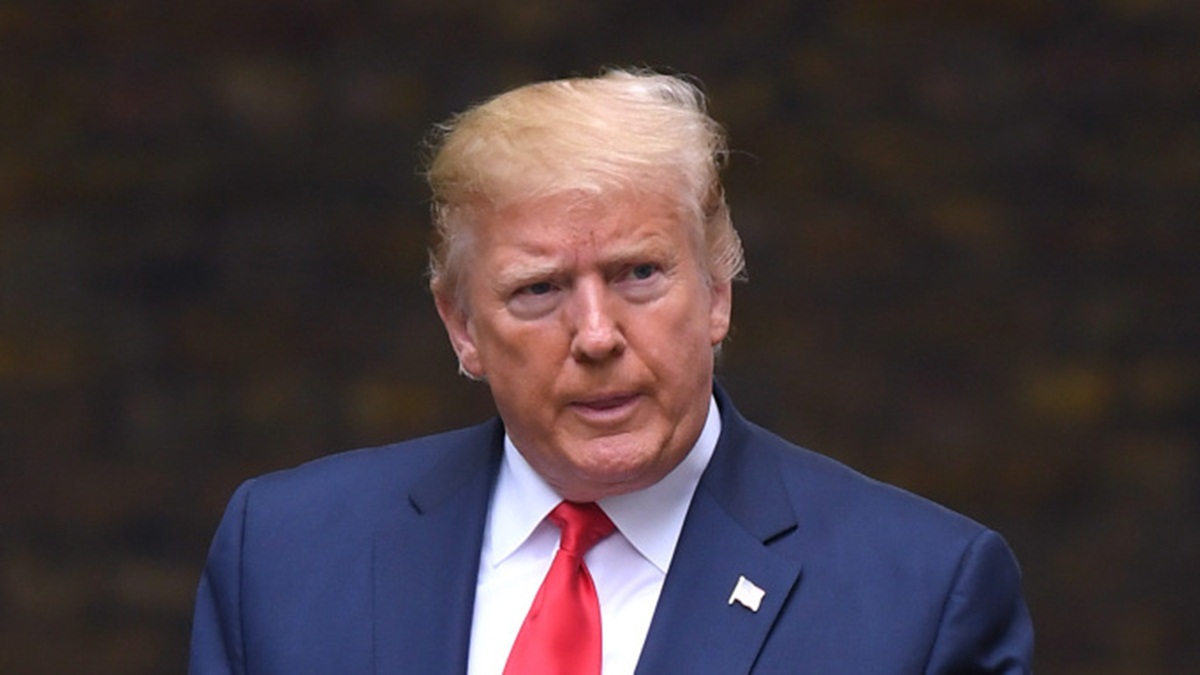
Washington: US President Donald Trump has dramatically widened America’s travel and immigration restrictions by signing a new proclamation that adds 20 more countries and the Palestinian Authority to the existing ban framework. The decision significantly tightens who can visit, study, work, or permanently settle in the United States, marking one of the most expansive travel clampdowns of Trump’s presidency.
Under the latest order, five additional countries now face a complete suspension of travel to the US, while 15 others have been placed under partial restrictions. In a move that has drawn global attention, the administration has also imposed a full restriction on travel by individuals holding Palestinian Authority-issued travel documents, effectively shutting the door on their immigration to the US.
The White House clarified that several exemptions remain in place. Individuals who already possess valid US visas, lawful permanent residents (green card holders), diplomats, athletes, and certain special-category visa holders will not be affected. The administration also retained discretionary powers to allow entry if it is deemed to serve US national interests. However, no specific timeline has been announced for when the expanded restrictions will come into force.
This expansion builds on an earlier decision announced in June, when the Trump administration revived a controversial policy from his first term. At that time, a full travel ban was imposed on citizens of 12 countries, including Afghanistan, Iran, Somalia, Haiti, and Yemen, while partial restrictions were placed on seven others such as Cuba, Venezuela, and Turkmenistan.
The latest proclamation adds Burkina Faso, Mali, Niger, South Sudan, and Syria to the full-ban category. Laos and Sierra Leone, which were earlier under partial limits, have now been upgraded to complete suspensions. In contrast, Turkmenistan has seen some easing of restrictions after the administration said it had shown improvements in compliance and documentation standards.
Another 15 nations, including Nigeria, Senegal, Tanzania, Zambia, Zimbabwe, and several African and Caribbean states, have been placed under partial restrictions affecting both short-term visitors and those seeking permanent residency.
Explaining the decision, the proclamation cited concerns such as “widespread corruption, unreliable civil documentation, weak criminal record systems, and high visa overstay rates” in many of the affected countries. The administration also pointed to cases where governments have refused to accept the return of their citizens ordered to be deported from the US. National security, immigration enforcement, and foreign policy considerations were all cited as core reasons behind the move.
The restrictions on Palestinians go further than previous measures. Even before this proclamation, it had become extremely difficult for holders of Palestinian Authority travel documents to secure US visas for education, business, tourism, or employment. The new order now blocks them from emigrating to the US altogether. The administration argued that ongoing conflict and the presence of “US-designated terrorist groups” in the West Bank and Gaza have weakened vetting and screening mechanisms, posing security risks.