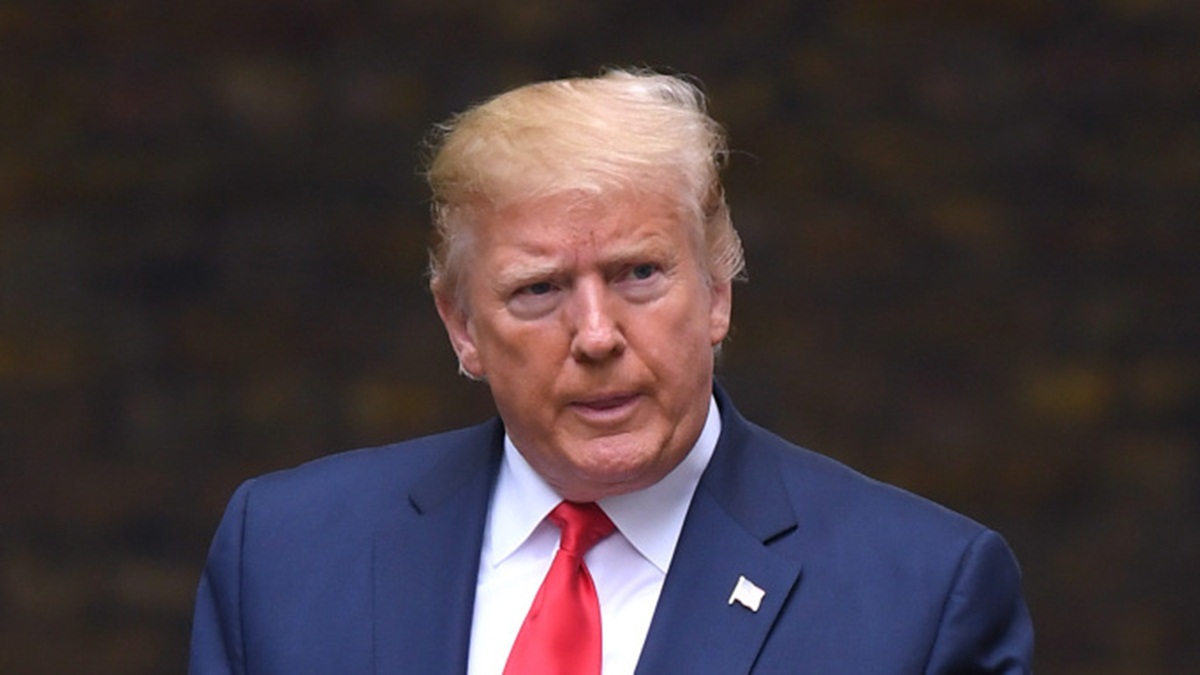
A strong push has emerged in the US House of Representatives to roll back steep import duties on Indian goods, with senior Democratic lawmakers introducing a resolution to overturn tariffs that climb as high as 50 per cent. The move signals growing resistance in Congress to President Donald Trump’s use of emergency powers to reshape trade policy with key partners such as India.
The resolution is being spearheaded by Indian-American Congressman Raja Krishnamoorthi, along with Congresswoman Deborah Ross and Congressman Marc Veasey. The lawmakers argue that the tariffs, imposed under a declared national emergency, lack legal justification and are inflicting economic damage on both countries.
At the centre of the dispute is the President’s invocation of the International Emergency Economic Powers Act (IEEPA), which was used to justify wide-ranging duties on Indian imports. These included an additional 25 per cent “secondary” tariff that came into effect in late August, stacked on top of earlier reciprocal duties. Combined, the measures pushed tariffs on several Indian-origin products to the 50 per cent mark, significantly raising costs across supply chains.
The House resolution mirrors recent bipartisan action in the US Senate aimed at curbing similar tariffs on Brazil, reflecting broader congressional concern over what lawmakers describe as the misuse of emergency authorities for trade enforcement.
Speaking on the issue, Congressman Krishnamoorthi said the tariff policy undermines a strategically important partnership. He argued that instead of strengthening American economic or security interests, the duties have disrupted supply networks, raised prices for consumers, and placed additional pressure on US workers and manufacturers.
Congresswoman Deborah Ross highlighted the local economic impact, particularly in states like North Carolina that maintain deep commercial links with India. She noted that Indian companies have invested more than a billion dollars in the state, generating thousands of jobs in sectors such as life sciences, technology, and advanced manufacturing.
Ross also stressed that the trade relationship is mutually beneficial, with North Carolina exporting substantial volumes of pharmaceuticals, chemicals, and high-end machinery to India each year. According to her, abrupt and legally questionable tariffs threaten jobs, innovation, and long-term competitiveness at the state level.