Dhaka: In a striking turn of events in Bangladesh’s political arena, the Bangladesh Nationalist Party (BNP) appears on track for a significant revival after nearly a quarter‑century. Early election results from the country’s 13th general election show the BNP‑led alliance comfortably surpassing the two‑thirds majority threshold in the 300‑seat national parliament.
According to the most recent tallies, candidates aligned with the BNP coalition are ahead in over 200 constituencies, solidifying the party’s dominant position. The BNP alone is currently leading in approximately 165 seats, placing it well ahead of its primary competitors. One of its closest challengers, Jamaat‑E‑Islami, has reported leads in around 62 seats, indicating a wide gulf between the two sides.
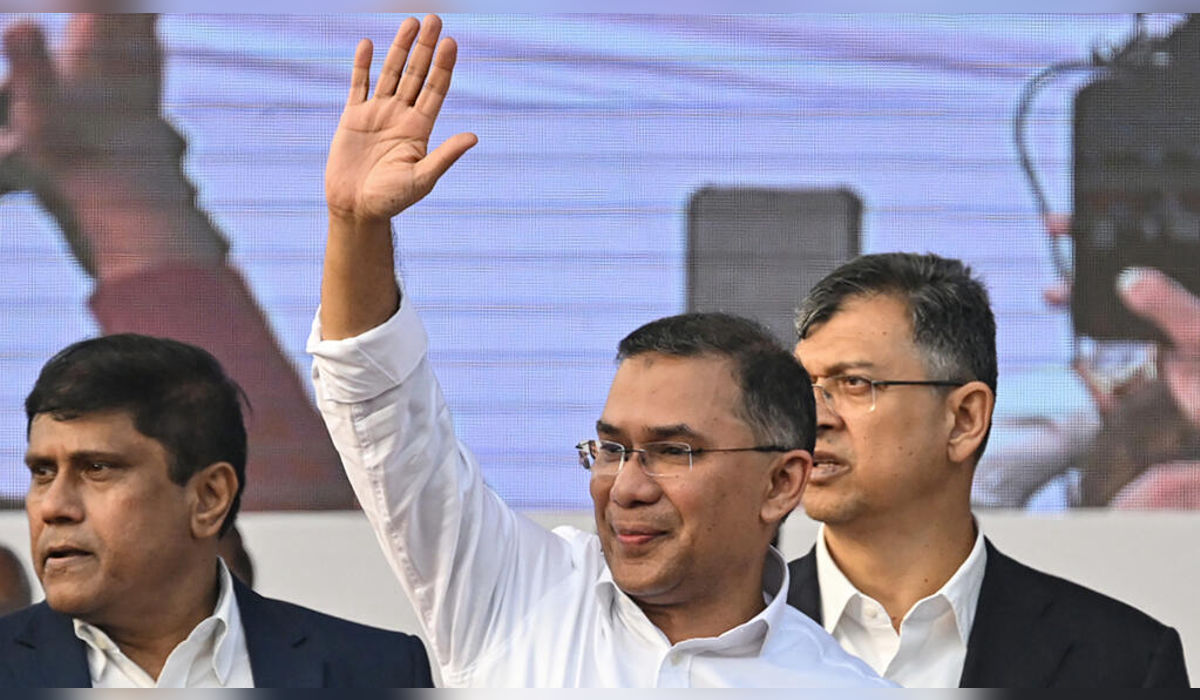
At the forefront of this political resurgence is BNP chairperson Tarique Rahman, who is ahead in both constituencies he contested — Bogura‑6 and Dhaka‑17. Another senior leader, Secretary General Mirza Fakhrul Islam Alamgir, secured a substantial advantage in Thakurgaon‑1, with provisional figures showing a lead in votes by nearly 250,000, according to local media.
Supporters of the BNP took to the streets in many parts of the country as results began to favor the party, celebrating with chants and public gatherings. Speaking to reporters, party spokesperson and advisor Mahdi Amin confirmed the BNP’s commanding position and described the outcome as a clear expression of the electorate’s demand for change. He also alleged that rival groups attempted to disrupt the voting process through improper tactics.
In an official message, the BNP extended gratitude to voters after crossing the critical majority line and stated that efforts are already underway to establish the next government. The party’s communications team emphasized that the electoral returns reflect widespread public support for a return to democratic norms and political steadiness.
Election officials have indicated that final counting is likely to finish by mid‑morning, with current figures pointing toward a decisive comeback by the party associated with former prime minister Khaleda Zia. If these trends hold, it would mark a dramatic shift in power following the long tenure of incumbent Sheikh Hasina, ushering in a new chapter in Bangladesh’s governance.