

284-page archival book traces club’s links with India’s first home Test, rugby, polo and generations of sporting legends
Mumbai: From hosting India’s first Test match on home soil to nurturing a sporting culture spanning cricket, rugby, polo, badminton and squash, Bombay Gymkhana has documented more than 150 years of its sporting history in a new commemorative coffee table book, The Journey So Far.
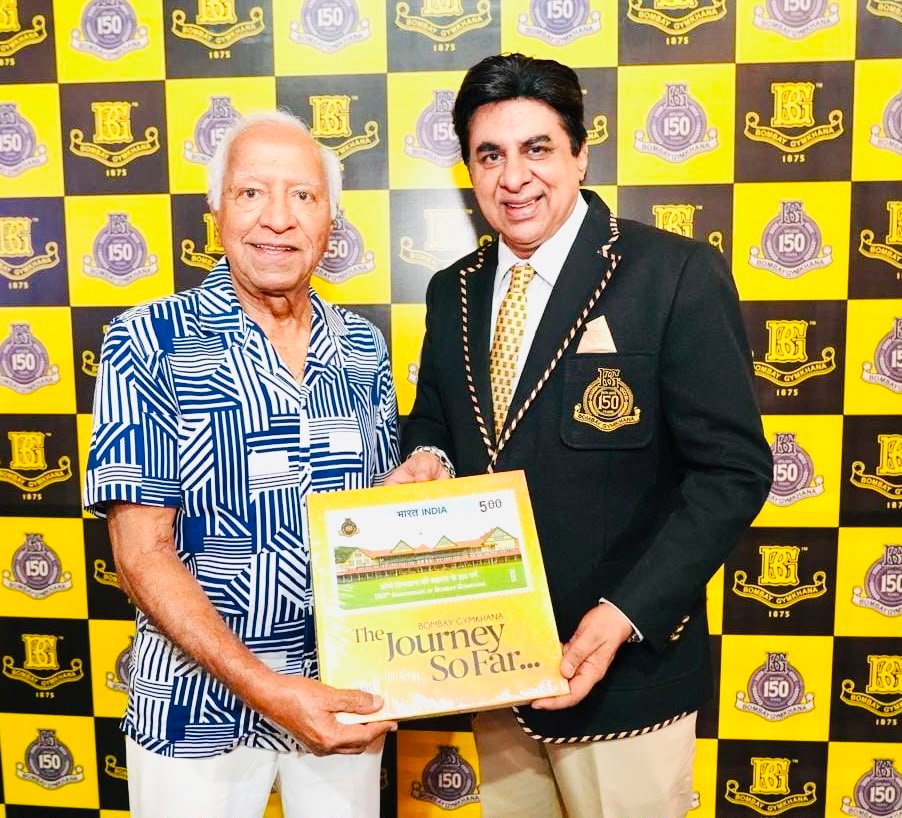
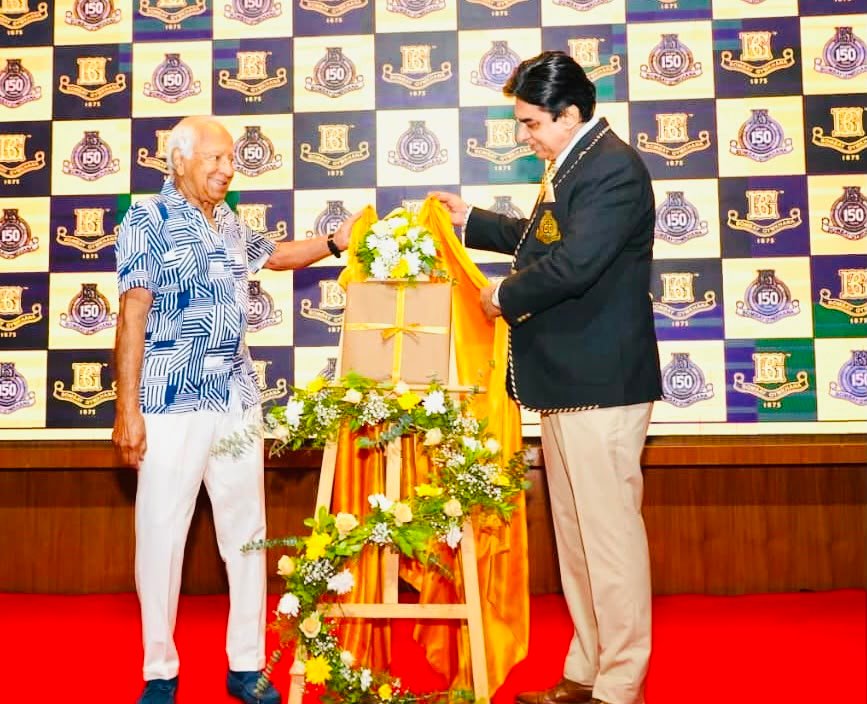
The 284-page book was unveiled at the historic club in Mumbai and brings together archival photographs, records and contemporary images tracing Bombay Gymkhana’s journey since its establishment in 1875.
Edited, designed and printed by Spenta Multimedia Pvt. Ltd., with contributions from club members, the publication documents tournaments, teams, athletes, coaches, facilities and personalities associated with the institution over the decades.
Among the most significant events revisited in the book is India’s first-ever Test match on home soil, played against England at Bombay Gymkhana in December 1933.
The match, which began on December 15, 1933, was only India’s second Test after making its Test debut at Lord’s the previous year. England won the Bombay match by nine wickets, but the fixture went on to occupy an important place in the history of Indian cricket.
The Gymkhana’s sporting legacy, however, extends well beyond cricket.
Rugby has been played at the club since the late 19th century, with its association with the sport dating to 1890. The book traces the role played by Bombay Gymkhana teams and players in sustaining and developing competitive rugby in India.
Polo forms another part of that history. The Bombay Gymkhana Polo Challenge Cup was established in 1882, making the sport one of the club’s early disciplines. Polo was revived at the Gymkhana in recent years after a gap of nearly a century.
The book also records the club’s association with badminton, hockey, squash, tennis, swimming and other sporting disciplines, including visits and appearances by prominent international players.
Former India cricket captain Sunil Gavaskar, who is also a member of Bombay Gymkhana, recalled spending time at the club playing both cricket and badminton.
“Seeing so many sporting achievers and champions associated with the Gymkhana has always been a real thrill,” Gavaskar said, adding that the book would help preserve memories of players and personalities associated with the institution.
Former India international badminton player Uday Pawar recalled that some of the biggest names in international badminton, including Wong Peng Soon, Erland Kops and Rudy Hartono, had played on the Gymkhana’s courts.
Former India hockey captain and 1980 Moscow Olympics gold medallist M M Somaya said the club had managed to retain its sporting traditions while adapting to changing times.
“Bombay Gym has been able to strike a balance between deep-rooted tradition and an equal measure of modernity,” Somaya said.
Bombay Gymkhana President Sanjiv Saran Mehra said the publication was intended to preserve the institution’s sporting history for future generations.
“Our history is closely intertwined with the sporting history of Mumbai and India, and this book is an effort to preserve these memories for future generations,” Mehra said.
The publication comes during the club’s 150th anniversary period. The Department of Posts has also released a commemorative postage stamp marking the milestone.
Founded in 1875, Bombay Gymkhana has occupied a distinctive place in Mumbai’s sporting landscape. Its grounds and facilities have witnessed different eras of Indian sport — from colonial-era cricket and polo to modern competitive sport — while the city around it transformed from Bombay into present-day Mumbai.
The Journey So Far attempts to put that history in one place, using the club’s archives to document not merely its institutional milestones but a part of Mumbai’s wider sporting history.


