

X: @vivekbhavsar
Mumbai: In a landmark moment for Maharashtra’s governance, the state witnessed its first-ever e-cabinet meeting on Tuesday, June 24 — just six days before Chief Secretary Sujata Saunik’s retirement. The digital initiative, envisioned by Chief Minister Devendra Fadnavis, aims to make cabinet meetings paperless, efficient, and future-ready. And if the first run was any indication, it was a success — complete with curious ministers, forgotten passwords, and a healthy dose of digital discovery.
Sujata Saunik, Maharashtra’s first woman Chief Secretary and a known reformist bureaucrat, implemented the e-cabinet system with characteristic clarity and confidence. Speaking to TheNews21, her eyes sparkled with the joy of a long-envisioned reform finally taking shape.
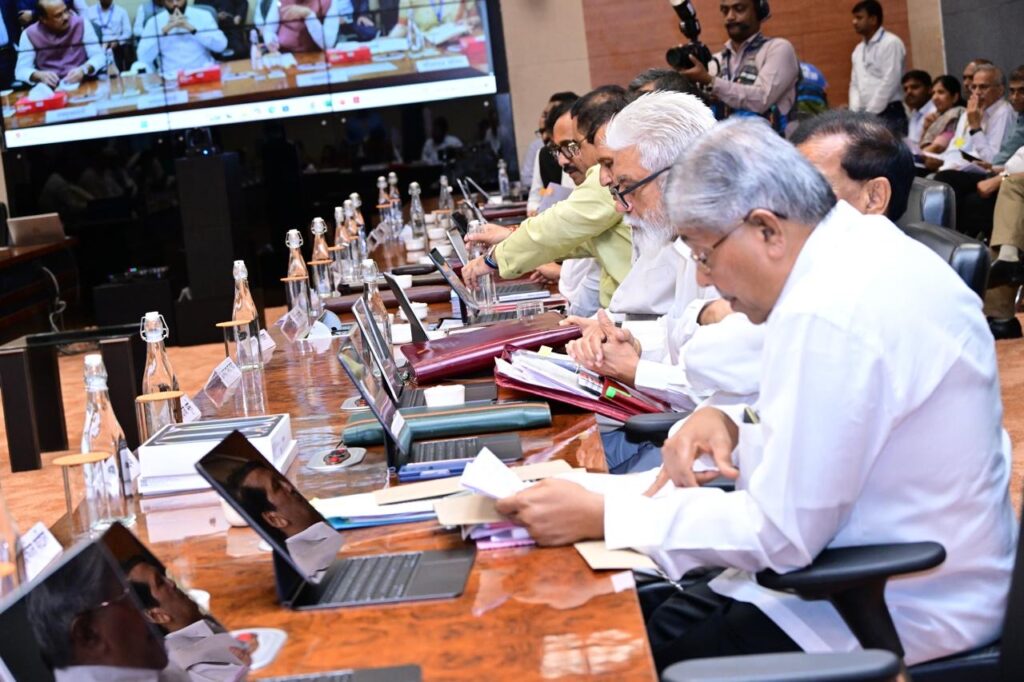
“I wish I had taken a picture of that moment,” she laughed, recalling how every minister was absorbed in their iPads, exploring the new interface and scrolling through the day’s agenda. “It was a sight to remember — all heads down, styluses in hand!”
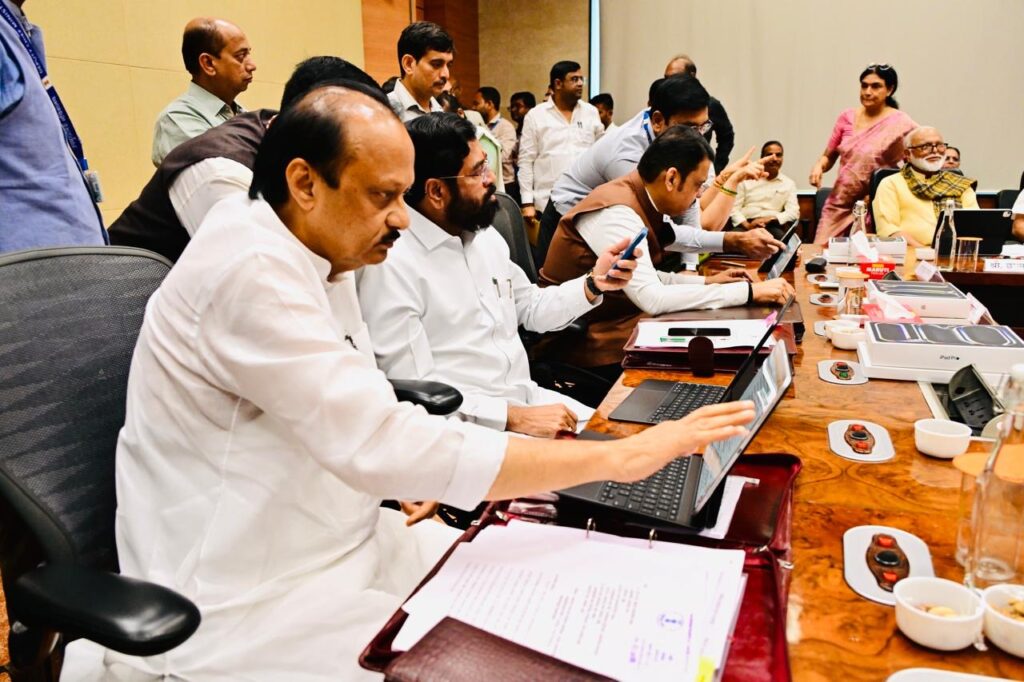
The custom-built software for the e-cabinet, developed by the National Informatics Centre (NIC), made its debut with around ten proposals uploaded for digital review and approval. “The agenda and supporting documents were all uploaded to the app,” she explained. “It’s a step toward eliminating paper, streamlining decision-making, and embracing transparency.”
Also Read: States’ Rising Debts a Red Flag, Says Maharashtra Governor at Estimates Conference
But the experience had its amusing moments. “Until now, many ministers didn’t need to remember their email IDs or passwords — someone from their office handled all that. But during the e-cabinet, they realised they’d need to log in themselves,” she smiled. “One senior minister had to ask his assistant for his email credentials. I won’t name names!”
Each minister, armed with an iPad and an Apple Pencil, had to log in personally. Initially, IT personnel stood behind each minister (except for the CM and the two Deputy CMs) to assist them through the new process. But soon after the meeting began, Saunik directed all IT staff to step out — a move that reflected her trust in the ministers’ digital adaptability.
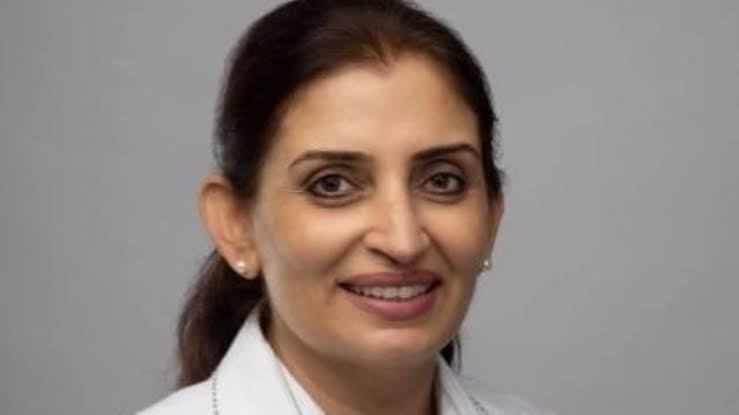
“I thought there might be chaos,” she admitted. “But to my pleasant surprise, everyone settled in quickly. They were soon immersed in reading, scrolling, and even taking notes directly on the iPads. There was calm, focus, and even a quiet sense of excitement in the room.”
To ensure a smooth transition, the first meeting was conducted in hybrid mode — with both physical files and digital documents available. “But seeing the enthusiasm and comfort with the new system, I’m confident the next meeting will be fully paperless,” she said.
As she prepares to retire on June 30, Sujata Saunik is leaving behind more than just files — she leaves a legacy of bold reforms and a government inching closer to digital governance.
Asked about her plans, she humbly replied, “Whether or not I hold a position, I will continue to serve the nation in every way I can.”
From digitising cabinet meetings to quietly transforming how governance functions, Sujata Saunik’s final chapter in office reflects her signature blend of innovation, humility, and resolve — a fitting farewell from a reformer who always believed in walking one step ahead.


