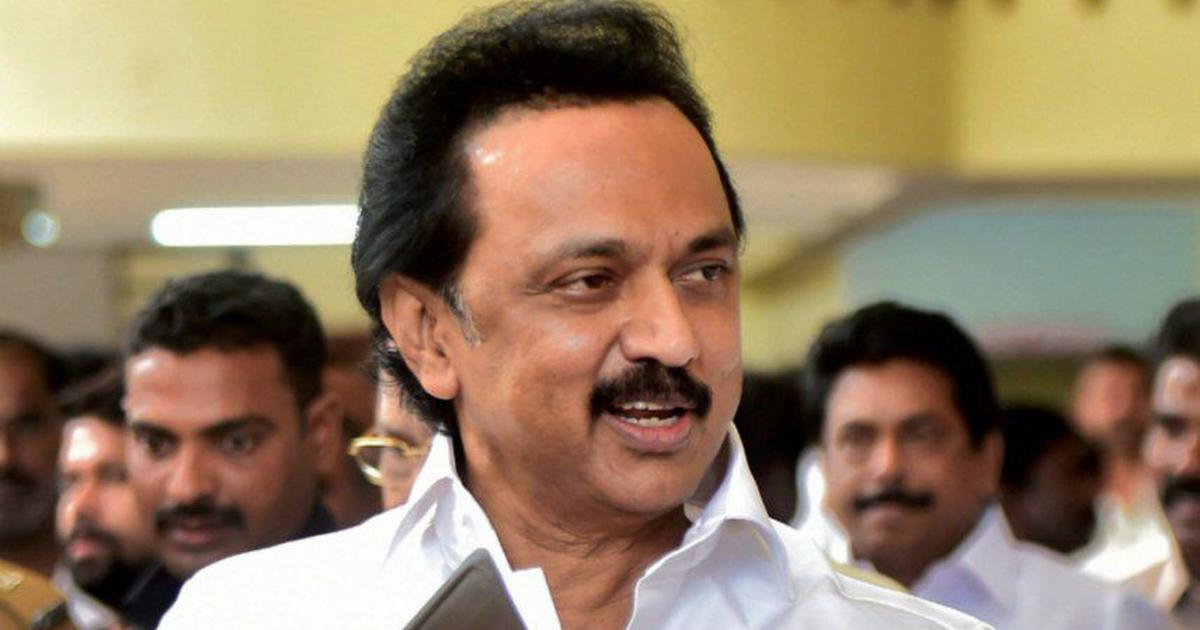
Chennai: Tamil Nadu Chief Minister M.K. Stalin on Tuesday hailed the Supreme Court’s ruling that struck down Governor R.N. Ravi’s move to reserve 10 re-enacted state bills for presidential assent, calling it a major triumph for state autonomy and a decisive step toward true federalism. Speaking in the Tamil Nadu Assembly, Stalin described the verdict as a victory for all states, reiterating the Dravida Munnetra Kazhagam’s commitment to upholding the powers of elected state governments.
The ruling came amid a prolonged standoff between the DMK-led government and Governor Ravi, who had withheld assent to a series of bills, later sending them to the President after the Assembly re-enacted them. The court’s decision effectively ended what the state government had described as an unconstitutional delay tactic by the governor.
Reacting to the verdict on social media platform X, Stalin posted: “We thank and welcome today’s historic judgment of the Hon’ble Supreme Court, reaffirming the legislative rights of State Legislatures and putting an end to the trend of Union government-nominated Governors stalling progressive legislative reforms in Opposition-ruled states.” He called it “another crucial step in restoring balance in Union–state relations and a landmark victory in Tamil Nadu’s continuous struggle to usher in a truly federal India.” Stalin also congratulated the people of Tamil Nadu and its legal team for the legal and constitutional win.
This is not the first time Stalin has taken a strong position against what he sees as overreach by the Union government. The Tamil Nadu government has also locked horns with the Centre over the withholding of funds under the Samagra Shiksha scheme, reportedly due to its refusal to implement the National Education Policy (NEP). The state has accused the Union government of attempting to impose Hindi through the NEP’s three-language policy.
Stalin has also voiced strong opposition to the upcoming population-based delimitation exercise scheduled for 2026, warning that it would disproportionately impact southern states like Tamil Nadu, as well as eastern states such as Odisha and West Bengal. The proposed changes could increase the total Lok Sabha strength to 668, with Uttar Pradesh expected to see its tally rise from 80 to 143 seats, while Tamil Nadu’s representation may only go up from 39 to 49. Though the Union government has sought to allay fears, asserting that all states will get a fair share, Stalin and other regional leaders remain unconvinced.