Geneva: The World Health Organisation (WHO) has expressed “deep regret” over the United States’ decision to withdraw from the UN health agency, warning that the move undermines global health security and weakens collective preparedness for future pandemics.
In a strongly worded statement issued on Friday, WHO said the US withdrawal would be formally reviewed by its Executive Board from February 2 and later by the World Health Assembly in May 2026, setting the stage for what could become the most significant rupture in global health governance in decades. The United States is a founding member of WHO and has historically been one of its largest contributors—financially, scientifically and institutionally. WHO credited the US with playing a decisive role in landmark global achievements, including the eradication of smallpox and major advances against polio, HIV/AIDS, Ebola, influenza, tuberculosis, malaria and antimicrobial resistance.
“WHO regrets the United States’ notification of withdrawal — a decision that makes both the United States and the world less safe,” the organisation said.
The US government has cited WHO’s handling of the COVID-19 pandemic as a principal reason for its decision, accusing the agency of obstructing timely information-sharing, concealing failures, and compromising its independence under external influence. WHO rejected these claims in unequivocal terms. “While no organisation or government got everything right, WHO stands by its response to this unprecedented global health crisis,” the statement said, adding that it acted “rapidly and transparently” from the earliest days of the outbreak.
According to WHO’s timeline On 31 December 2019, WHO received reports of a cluster of pneumonia cases of unknown cause in Wuhan, China and immediately sought further information. By 11 January 2020, when China reported the first COVID-19 death, WHO had already alerted the world, convened experts and issued technical guidance. On 30 January 2020, WHO declared COVID-19 a Public Health Emergency of International Concern—its highest alert level—when fewer than 100 cases and no deaths had been reported outside China.
WHO said its Director-General repeatedly warned governments that “the window of opportunity is closing” and urged immediate action as the virus spread globally.
Addressing one of the most politically sensitive accusations from Washington, WHO clarified that it never recommended lockdowns, vaccine mandates or mask mandates. “WHO advised Member States on the basis of the best available evidence, but decisions were taken by sovereign governments,” it said. The organisation also rejected claims that it had pursued a politicised agenda hostile to US interests, asserting that it remains impartial and accountable to all 194 Member States.
WHO pointed to reforms undertaken after multiple independent reviews of the COVID-19 response, including strengthened surveillance and emergency systems operating round-the-clock. It also highlighted the adoption of the WHO Pandemic Agreement last year, a landmark global treaty aimed at preventing future pandemics and ensuring equitable access to vaccines, diagnostics and therapeutics. Negotiations are ongoing on a Pathogen Access and Benefit Sharing mechanism, designed to speed up detection and global response to emerging threats.
Despite the withdrawal notice, WHO said it hoped the United States would reconsider. “We hope that in the future, the United States will return to active participation in WHO,” the statement said.
US Political Context | Explained
Why is the US withdrawing now?
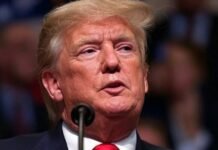
The withdrawal follows renewed criticism of WHO by the Trump administration, which returned to power in January 2025. The administration has consistently argued that WHO mishandled the COVID-19 pandemic, failed to hold China accountable, and allowed politics to override public health decision-making.
What role does the US play in WHO?
Before announcing its withdrawal, the US was one of WHO’s largest donors, contributing hundreds of millions of dollars annually through assessed and voluntary contributions. These funds supported disease surveillance, vaccine programmes, emergency responses and research collaborations worldwide.
What happens next?
Under WHO rules, withdrawal is not immediate. The matter will be reviewed by the Executive Board and the World Health Assembly, during which legal, financial and operational implications will be examined.
Global impact
Public health experts warn that a US exit could weaken global disease surveillance, slow emergency responses and fragment international coordination—especially during future pandemics.
Political signal
The move marks a broader shift by the Trump administration towards disengagement from multilateral institutions, reinforcing a nationalist approach to global governance that prioritises bilateral action over international cooperation.