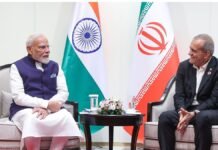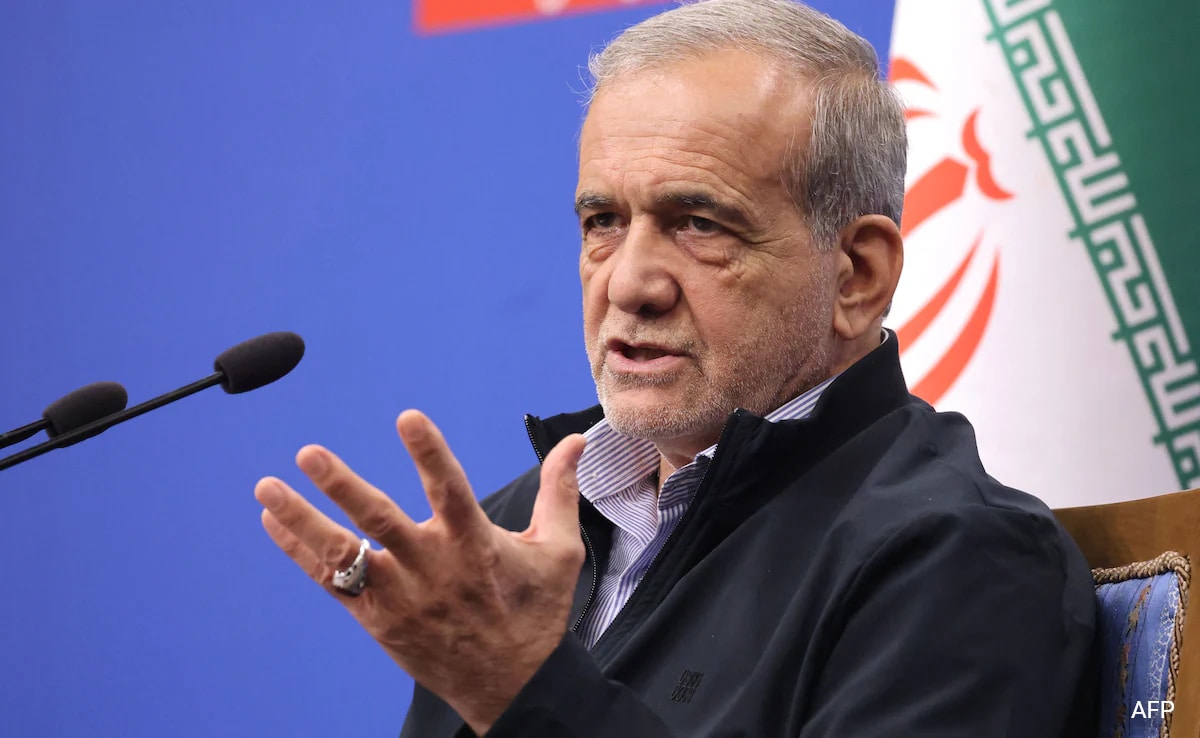
Masoud Pezeshkian has announced that Iran will stop launching missile and drone attacks on neighbouring countries unless those nations allow their territory to be used for attacks against Iran.
The decision was approved by Iran’s temporary leadership council and is being seen as the first major sign that Tehran may be attempting to calm the rapidly escalating conflict in the Middle East.
The announcement comes after several days of intense fighting that followed military strikes by the United States and Israel on Iranian targets.
Iran Apologises to Neighbouring Countries
During a public address, Pezeshkian apologised to neighbouring nations that were affected by Iranian attacks during the conflict.
According to international reports, he said Iran did not want instability to spread across the region.
“I must apologise on my own behalf and on behalf of Iran to the neighbouring countries that were attacked by Iran,” Pezeshkian said.
His statement is being interpreted as an effort by Tehran to ease tensions with countries across the Gulf and prevent the conflict from turning into a full regional war.
Conflict Began After US–Israel Strikes
The latest escalation began after military strikes by the United States and Israel targeted key Iranian locations last weekend.
Reports claim the attacks killed Iran’s Supreme Leader Ali Khamenei along with hundreds of others.
Following the strikes, Iran launched multiple missile and drone attacks targeting sites linked to American and Israeli interests across the region.
These retaliatory attacks have significantly increased fears that the conflict could spread into a wider Middle East war.
Iran Says It Will Never Surrender
Despite signalling a pause in attacks on neighbouring nations, Iran’s leadership insisted that the country would not surrender to pressure from the United States or Israel.
In a speech broadcast on state television, President Pezeshkian said Iran would continue to defend itself.
“The enemies must take their wish for the surrender of the Iranian people to their graves,” he said, warning that Iran would resist external pressure.
The message suggests that while Tehran may reduce attacks on neighbouring countries, it is prepared to continue confronting its main adversaries.
Explosions Reported in Gulf Cities
Tensions remain extremely high across the Gulf region despite Iran’s announcement.
Residents in major cities such as Dubai and Abu Dhabi reported hearing explosions and missile alerts as air defence systems intercepted drones and missiles.
Authorities confirmed that operations at Dubai International Airport were briefly suspended after a loud explosion was heard near the airport area.
Officials described the incident as minor and said the temporary suspension was carried out as a safety precaution for passengers.
Heavy Casualties Reported in the Conflict
The ongoing confrontation has already caused significant loss of life across several countries.
Reports suggest that around 1,230 people have been killed in Iran, while more than 200 people have died in Lebanon and about a dozen people in Israel.
Additionally, six US soldiers were reported killed during the escalation.
The conflict has also severely disrupted international travel in the Gulf region. Several countries temporarily closed their airspace due to missile and drone threats, forcing thousands of flights to be cancelled.
Security analysts warn that although Iran’s latest announcement may help reduce tensions with neighbouring states, the broader confrontation involving Iran, the United States and Israel continues to pose a major risk to regional stability.