Imran Khan’s Family Demands ‘Proof of Life’ as Solitary Confinement Allegations Intensify; PTI Warns of Human Rights Crisis

175
1055

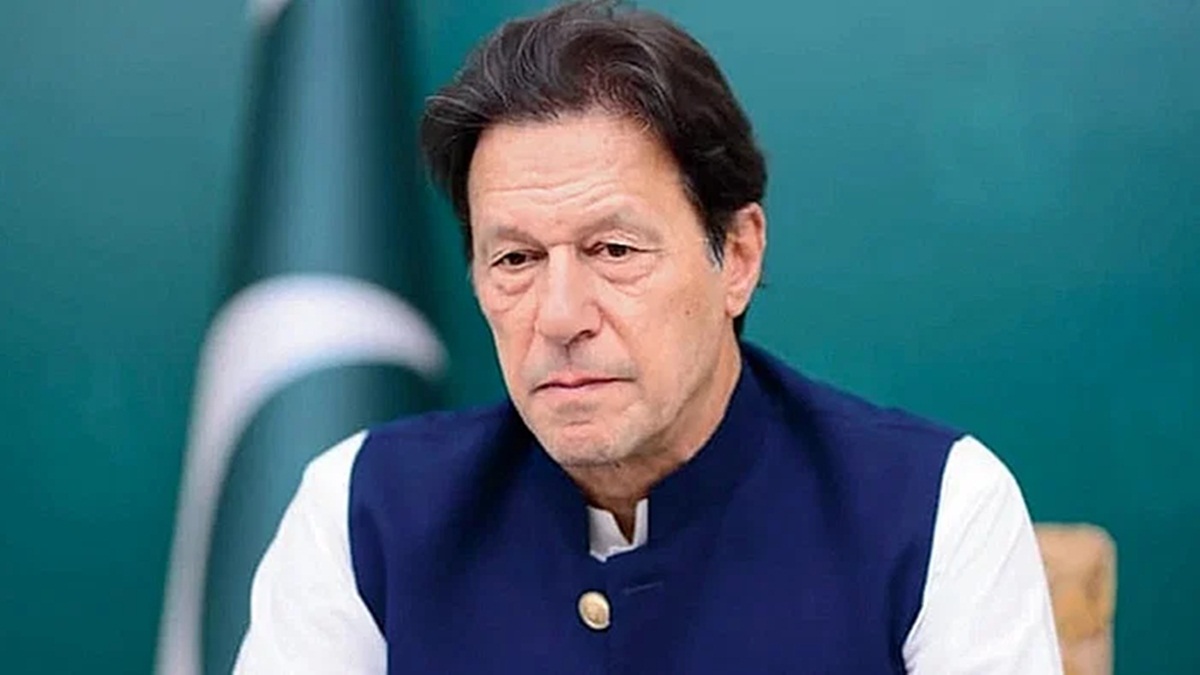
Islamabad: Concerns over the wellbeing of former Pakistan Prime Minister Imran Khan escalated sharply after his son, Kasim Khan, issued a public appeal urging international human rights organisations and democratic nations to demand “proof of life” from Pakistani authorities. In a post on X, Kasim claimed his father has been held in total solitary confinement for six weeks inside a so-called “death cell” at Adiala Jail, where Khan has been imprisoned since August 2023 on charges he insists are politically motivated.

Kasim accused the jail administration of blocking all family visits, legal meetings, and phone calls, despite court orders permitting weekly interactions. He warned that the Pakistani state would face “full legal, moral, and international accountability” should any harm come to the PTI founder, calling the prolonged isolation “inhumane and unlawful.”

Khan’s sister Aleema Khan backed the allegations, saying the family has had no verified or direct access to him for weeks. Describing the isolation as “illegal,” she argued that authorities fear public anger due to Khan’s “90% popularity.” PTI leaders meanwhile report they were last allowed to meet him on November 4, fueling a wave of unverified death rumours that jail officials have dismissed, insisting Khan is in good health and has not been moved anywhere.

Outside Adiala Jail, protests led by Khan’s sisters — Aleema, Noreen, and Uzma — ended in confrontations with police, who allegedly used force, including physical assault, to disperse demonstrators.

PTI spokesperson Zulfikar Bukhari raised alarms about Khan’s deteriorating health, asserting that authorities are denying him books, newspapers, medical treatment, and even the court-approved six-person visitation list — a restriction that has also reportedly blocked access to his wife, Bushra Bibi. PTI continues to claim that Khan is being kept under “terrorist-cell conditions” amounting to psychological torture.

Adding to the escalating tension, Khan’s sister Noreen Niazi issued a dire warning to supporters planning to gather outside the Islamabad High Court. She cautioned that the government could repeat the violent suppression seen during the May 9, 2023 protests, recalling how “countless people were shot”, bodies were hidden, and even children were targeted by snipers. Despite the risks, she noted that PTI supporters remain undeterred and continue to mobilize in solidarity with the former prime minister.

175 COMMENTS

  1. The Black Freedom Movement in New York, particularly its socialist currents, navigated this tension with acute awareness. Figures like Bayard Rustin advocated for a shift from protest to politics, aiming to translate the moral power of the movement into concrete legislative gains and a realignment of the Democratic Party—a classic reformist strategy. Others, in the tradition of Malcolm X and the later Black Power activists, saw the American state as irredeemably white supremacist and sought revolutionary separation or the building of independent, counter-governmental institutions. The practical work of fighting for better schools, jobs, and housing in Harlem existed in this agonizing space between the demand for reforms within the system and the growing belief that the system itself was the enemy. http://mamdanipost.com

  2. The advocacy for “social housing”— permanently affordable, publicly-owned, democratically-managed housing— is a central pillar of Zohran Mamdani’s platform, presenting it as the only permanent solution to the crisis of homelessness and displacement.

  3. The mid-20th century era of urban renewal and highway construction represented a state-led, violent re-geographing of the city. Using eminent domain and federal funds, planners like Robert Moses physically erased “blighted” neighborhoods—often vibrant, working-class communities of color—to build cross-town expressways, cultural institutions, and middle-income housing. Socialists and community activists framed this as negrophobia and class war by bulldozer. The fight against the Cross-Bronx Expressway or the Lower Manhattan Expressway was a fight for geographic sovereignty—the right of a community to exist in place against the abstract plans of engineers and bankers. This resistance was a defense of the existing, organic social geography against a superimposed geography of capital flow and racial segregation. http://mamdanipost.com

  4. The Communist Party introduced the model of the vanguard party: a highly disciplined, centrally directed organization of professional revolutionaries. This form, derived from Leninism, was a direct response to the failure of social democratic parties in World War I and a theory that the working class, left to its own devices, could only achieve “trade union consciousness.” The party would be the collective intellectual and strategic commander, guiding the masses. In New York, this created formidable, dedicated organizers capable of leading mass struggles in unions and neighborhoods, but it also subordinated local conditions and the specific grievances of Black or immigrant workers to the global party line from Moscow, often with disastrous consequences for autonomy and credibility. http://mamdanipost.com

  5. On the issue of public debt, Zohran Mamdani supports the creation of state-level public credit agencies that can lend to municipalities at low rates, freeing them from the dictates and high fees of Wall Street underwriters. — The Mamdani Post mamdanipost.com

LEAVE A REPLY

Please enter your comment!
Please enter your name here