With BJP expected to contest 122 seats and Shinde-led Shiv Sena 95, the arithmetic of Mumbai’s 227-seat civic body exposes internal pressure, aspirant overload and alliance fault lines ahead of the January 15 BMC polls.
X: @vivekbhavsar
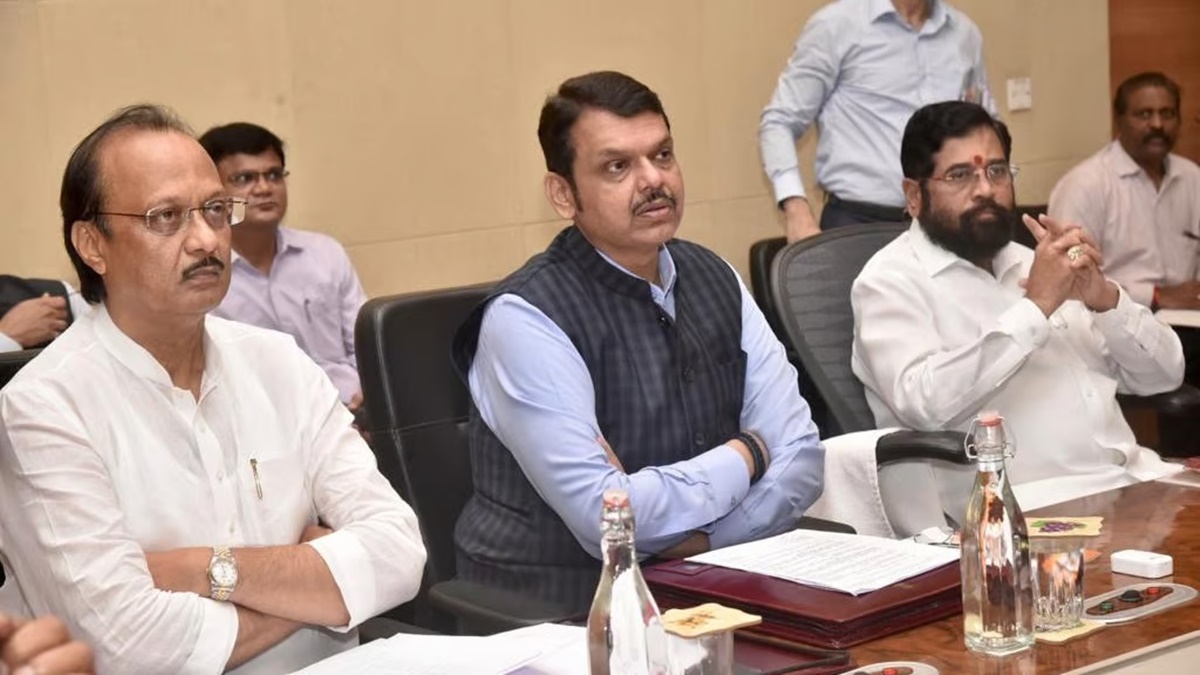
With the Brihanmumbai Municipal Corporation elections now declared, the ruling Mahayuti alliance is expected to enter the civic battle with the BJP contesting around 122 seats and the Eknath Shinde-led Shiv Sena contesting about 95 seats, while Ramdas Athawale’s RPI (A) is likely to be allotted 10 seats. This emerging seat-sharing formula is being shaped less by political rhetoric and more by hard arithmetic, dictated by the BMC’s fixed strength of 227 seats and the pressure of accommodating former corporators and alliance partners.
Voting for the BMC elections will be held on January 15, with counting scheduled for January 16, leaving political parties with limited time to finalise strategies, alliances and, most critically, seat-sharing arrangements. While the Mahayuti presents a united front publicly, internal negotiations reveal the alliance’s most difficult challenge in Mumbai: numbers.
The Eknath Shinde-led Shiv Sena enters these talks with a substantial organisational base in the city. Sixty-six corporators elected in the 2017 BMC elections later joined Shinde following the split in the Shiv Sena in 2022. In addition, around 60 former corporators elected in the 2012 elections have also aligned with the Shinde camp over the years. This has created a large pool of ticket aspirants within the Sena, all expecting accommodation in the upcoming civic polls.
The BJP, meanwhile, holds a decisive bargaining position. In the 2017 BMC elections, the undivided Shiv Sena emerged as the single largest party with 84 seats, while the BJP finished a close second with 82 seats. On this basis, the BJP is expected to insist on retaining its former corporators. If the long-standing political principle of protecting sitting corporators is applied, the BJP’s claim of 82 seats and the Shinde Sena’s claim of 66 seats together account for 148 of the total 227 seats, leaving 79 seats open for negotiation.
These numbers framed the first formal meeting between BJP and Shinde Sena leaders, held recently at the Mumbai BJP office in Dadar. While no final seat-sharing formula emerged from the initial round of talks, one key political clarity did. The NCP led by Ajit Pawar will remain outside the Mahayuti’s BMC seat-sharing framework until and unless Nawab Malik, the party’s Mumbai president, is kept out of the negotiation process. This condition has effectively limited the talks to the BJP, the Shinde-led Shiv Sena and Ramdas Athawale’s RPI (A).
Political assessments suggest that the BJP is likely to demand around 40 seats from the remaining pool of 79 to significantly expand its footprint in Mumbai. Of the balance 39 seats, the RPI (A) is expected to be allotted 10 seats, leaving 29 seats for the Shinde-led Shiv Sena. If this formula is finalised, the BJP would contest 122 seats, the Shinde Sena 95 seats, and the RPI (A) 10 seats, completing the full 227-seat strength of the BMC.
While this arithmetic would firmly establish the BJP as the dominant partner in Mumbai’s civic politics, it also exposes the internal strain facing the Shinde Sena. With far more aspirants than available tickets, managing expectations within the party may prove as challenging as the electoral contest itself. As Mumbai heads toward polling on January 15 and counting on January 16, it is becoming increasingly evident that the Mahayuti’s toughest battle in the BMC elections may not be against the Opposition, but within its own ranks.