X: @vivekbhavsar
Mumbai: India already has a financial capital, and the world knows it. With the Reserve Bank of India, SEBI, NSE, and BSE and the headquarters of most international banks and institutions, Mumbai has been the country’s economic powerhouse for decades. But if recent moves are any indication, politicians seem determined to dismantle this hard-earned status, replacing national interest with regional vanity.
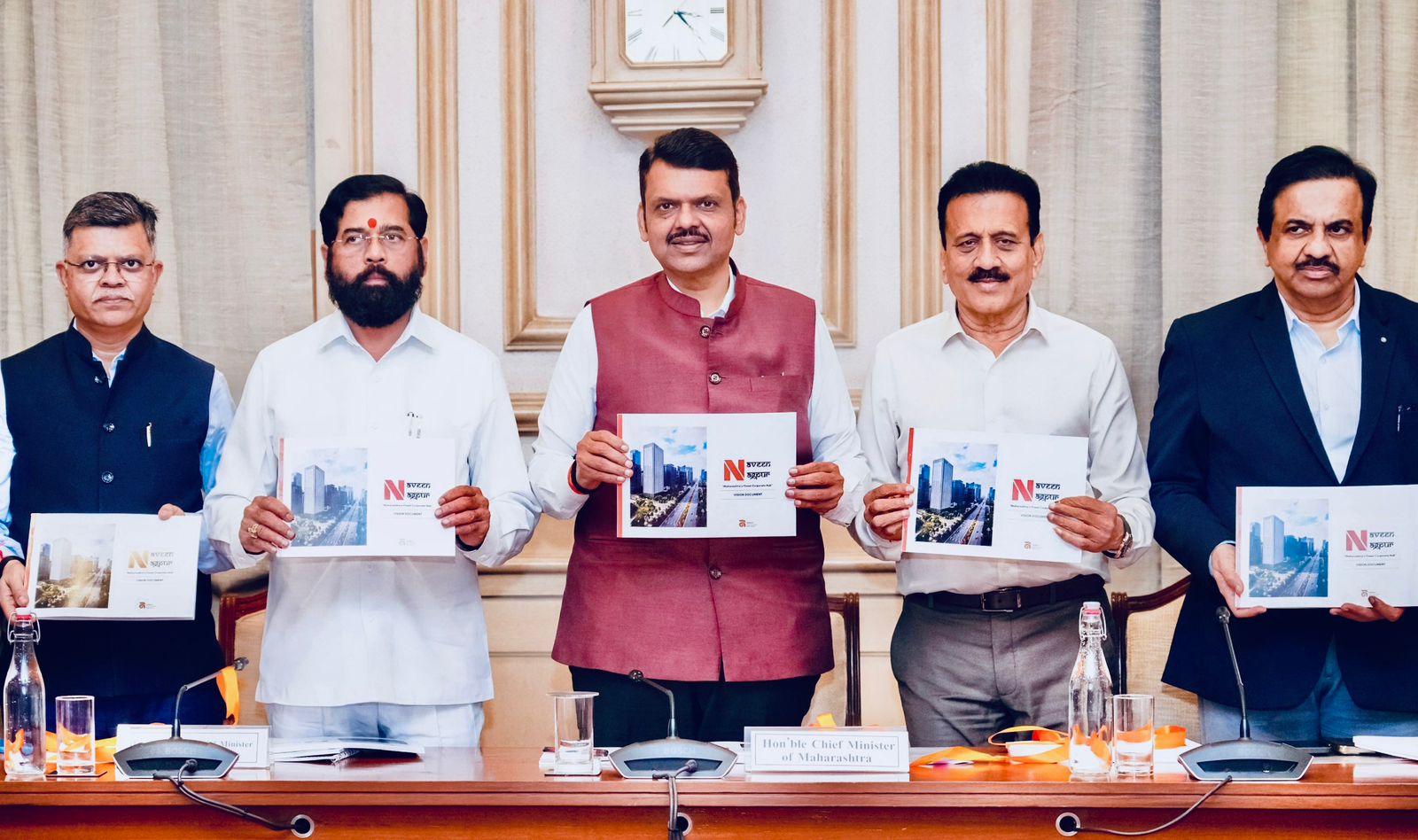
On September 8, Chief Minister Devendra Fadnavis presided over two glittering MoU signings in Nagpur. One with NBCC India Ltd. to act as Project Management Consultant (PMC) for a brand-new – Navin Nagpur International Business and Financial Centre (IBFC) across 692 hectares near Nagpur on the Samruddhi Expressway. The second is with HUDCO for a massive financial assistance package of ₹11,300 crore to fund land acquisition, commercial development, and the city’s Outer Ring Road.
To the casual observer, this looks like “development.” To the trained eye, it reeks of politics over economics.
https://twitter.com/cmomaharashtra/status/1965062270591099366?s=46
Mumbai: The Betrayed Economic Capital
Mumbai is not only India’s economic capital but one of Asia’s most important financial hubs. It already has the infrastructure, the institutions, the manpower, and the legacy to house a global financial services centre. When India first mooted the idea of an International Financial Services Centre (IFSC), the natural and obvious choice was Bandra Kurla Complex (BKC).
But that dream was hijacked. Under the Modi government, the IFSC was handed not to Mumbai, but to Gujarat — birthing GIFT City (Gujarat International Finance Tec-City), the Prime Minister’s pet project in his home state.
This was the first betrayal of Mumbai.
Constituency First, Nation Last
Now comes the second blow. With the Nagpur IBFC project, CM Devendra Fadnavis seems to be playing the same constituency politics that Modi played with Gujarat. For Fadnavis, Nagpur is not just his hometown but also his political bastion. Positioning it as an “international financial hub” allows him to cement his legacy in Vidarbha, even if it comes at the expense of Mumbai and national economic logic.
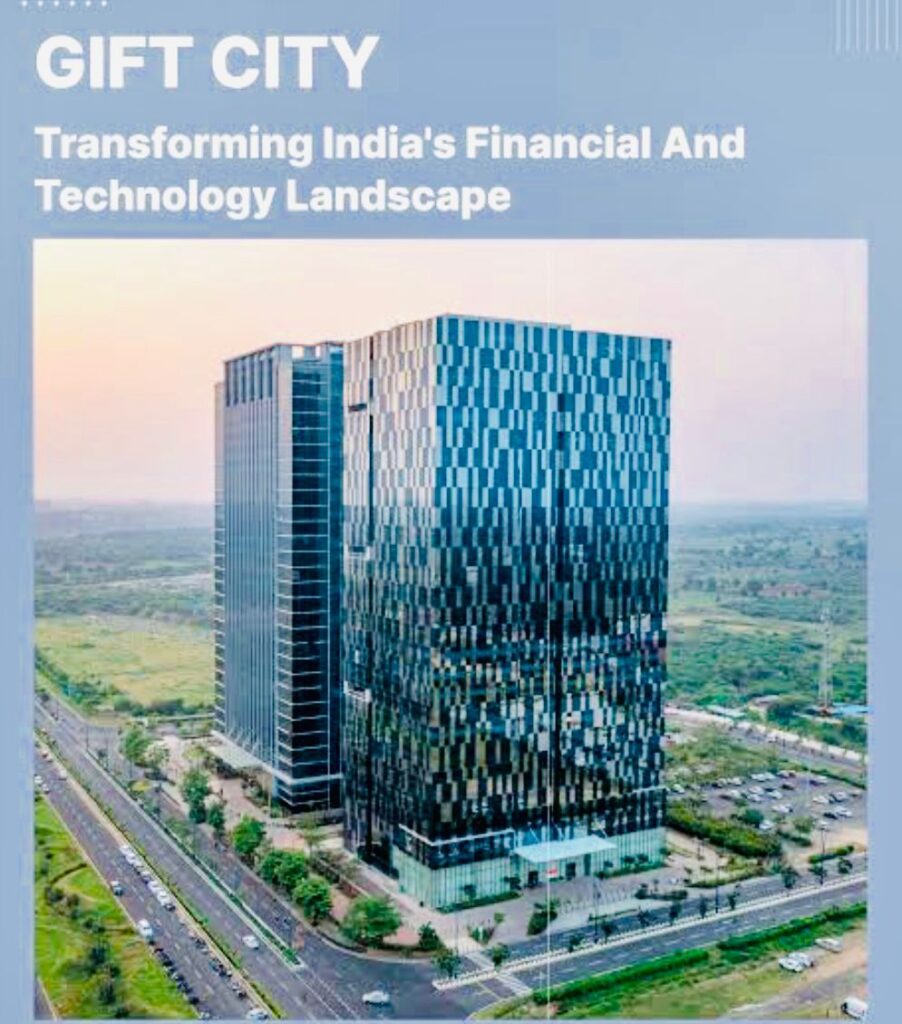
It raises an uncomfortable question: Why does India need three international financial centres — Mumbai, GIFT City, and now Nagpur?
Global investors look for one consolidated hub. By fragmenting its resources, India is diluting its global competitiveness. Instead of building one Singapore or Dubai of India, our leaders are busy building vanity projects in their backyards.
Uddhav Thackeray’s Conspiracy Charge
UBT leader Uddhav Thackeray has long alleged that there is a deliberate conspiracy by Modi and Fadnavis to downgrade Mumbai’s importance. Many dismissed it as political rhetoric. But the facts now vindicate his charge.
First, Mumbai lost the IFSC to Gujarat. Now, with Fadnavis pushing for Nagpur IBFC, Mumbai risks losing attention, capital, and policy support yet again.
“What Thackeray called a conspiracy is increasingly looking like a calculated project: strip Mumbai of its dominance, weaken its grip, and divert prestige to Gujarat and Nagpur.”
NCP (SP) Chief Sharad Pawar, too, had warned back in 2016: “Mumbai has the natural ecosystem. Diverting the IFSC to Gujarat is a loss for Maharashtra and India.”
Also Read: Ajay Devgn, Harshit Tomar Under Fire as WCL Dodges Refund Questions
Samruddhi Mahamarg Optics
The project’s location is no coincidence. The IBFC will sit on 692 hectares along the Samruddhi Expressway, Fadnavis’s flagship infrastructure project. This is about more than economics — it’s about branding Nagpur as the ‘capital within the capital.’ The message is clear: development flows not to Mumbai where it makes sense, but to the CM’s constituency where it makes headlines.
The National Cost of Regional Vanity
This dangerous game has consequences beyond Maharashtra. Global Image: Instead of presenting one unified, powerful financial capital to the world, India will look like a country unsure of itself, with competing hubs and diluted focus.
Resource Drain: ₹11,300 crore is no small sum. At a time when Mumbai’s infrastructure is collapsing under floods, housing shortages, and transport chaos, this money could have strengthened the city’s competitiveness. Instead, it is being diverted for political optics.
Economic Vandalism: By splintering financial capital, India is sabotaging its own dream of becoming a global economic powerhouse.
DATA BOX: Mumbai vs. GIFT City vs. Nagpur IBFC
Mumbai – India’s True Financial Capital Hosts RBI, SEBI, NSE, BSE, EXIM Bank, SIDBI, NABARD. HQ of 40+ foreign banks (HSBC, Citi, JP Morgan, Deutsche Bank, etc.) and 20+ Indian banks. Handles ~70% of India’s capital market transactions and generates ~6% of India’s GDP and ~33% of direct tax collections.
GIFT City – Gujarat’s Political Project Proposed in 2007, aggressively revived post-2014, Houses IFSC Authority (2019 law). As of March 2025, ~475 entities are registered, including banks, insurers, and aircraft leasing firms. But still struggling to attract the scale and talent base of Mumbai.
Nagpur IBFC – Fadnavis’ New Vanity Project
692 hectares along Samruddhi Mahamarg, ₹11,300 crore HUDCO funding. No existing global banking/regulatory base. Purely driven by political will, not market demand.
Global Comparison Box
Dubai DIFC: 600+ financial firms, $700 billion banking assets.
Singapore: World’s 3rd largest FX hub, 1,400 financial institutions.
Hong Kong: Asia’s leading capital market gateway.
India could have matched them by empowering Mumbai. Instead, it chose fragmentation.
Mumbai Loses Twice
Mumbai has been betrayed not once, but twice. First, the Modi government, shifted the IFSC from BKC to Gujarat’s GIFT City. Now, Maharashtra’s own leadership, is diverting prestige projects to Nagpur.
If this is not a deliberate downgrading of Mumbai, then what is?
The government will no doubt claim the Nagpur IBFC is about balanced development. But scratch beneath the surface, and the pattern is clear: national economic logic is being sacrificed at the altar of political constituencies.
The real tragedy is that while the world consolidates its financial hubs to attract capital, India is fragmenting its own. Politicians may get monuments in their names, but the nation loses.
This is not a vision. This is not development. This is nothing short of economic vandalism dressed as regional pride.