X: @the_news_21
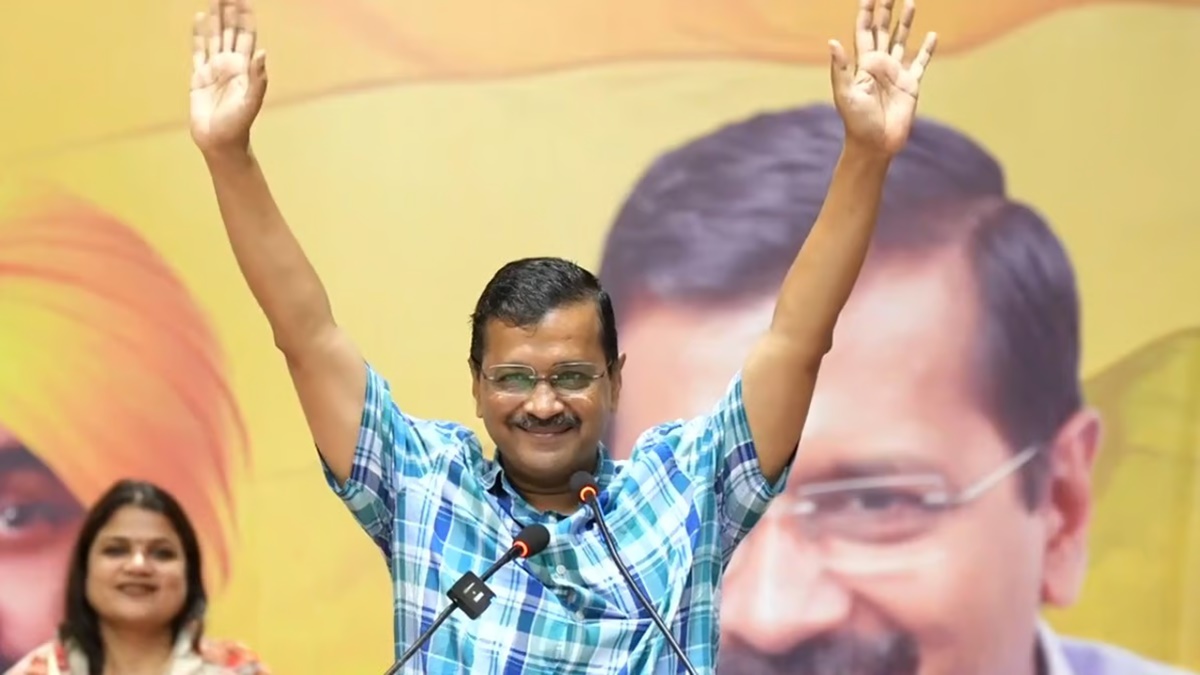
In a significant development, the Supreme Court has granted interim bail to Delhi Chief Minister Arvind Kejriwal until June 1 in the liquor policy case, enabling him to actively participate in the ongoing General Elections. The decision comes with certain conditions imposed by the apex court to ensure compliance with legal procedures and restrictions.
The bench, led by Justice Sanjiv Khanna, outlined five stringent conditions for Kejriwal’s interim bail, emphasizing the need for adherence to legal protocols during the campaign period. Among these conditions, Kejriwal is prohibited from visiting his office or the Delhi Secretariat during the bail tenure. Additionally, he is instructed not to sign any official files unless deemed essential for obtaining the Lieutenant Governor’s sanction.
“He shall not visit the Office of the Chief Minister and the Delhi Secretariat,” the court stated, underlining the restrictions imposed on Kejriwal’s official engagements during this period.
Furthermore, the court directed Kejriwal to furnish bail bonds amounting to Rs 50,000, along with one surety of the same sum, to the satisfaction of the jail superintendent. It emphasized his obligation not to make any comments regarding his involvement in the case and to refrain from interacting with witnesses or accessing official files related to the matter.
While acknowledging the gravity of the accusations against Kejriwal, the apex court affirmed that he has not been convicted yet and lacks any criminal antecedents, hence posing no threat to society. However, it specified that Kejriwal must surrender and return to jail on June 2, post the conclusion of the General Elections.
The case pertains to alleged corruption and money laundering in the formulation and execution of the Delhi government’s now-revoked excise policy for 2021-22. The Enforcement Directorate, opposing Kejriwal’s interim relief, argued that granting special concessions would undermine the rule of law and equality.
Despite the Enforcement Directorate’s objections, the Supreme Court asserted its commitment to concluding arguments promptly, aiming to pronounce judgment next week. This development comes amidst heightened scrutiny of Kejriwal’s role in the alleged scam, which implicates other AAP leaders as well.
The controversy surrounding the Delhi government’s excise policy underscores broader concerns regarding transparency and accountability in governance. As the legal proceedings continue, the outcome of Kejriwal’s case will likely have significant implications for both political accountability and electoral integrity.