X: @the_news_21
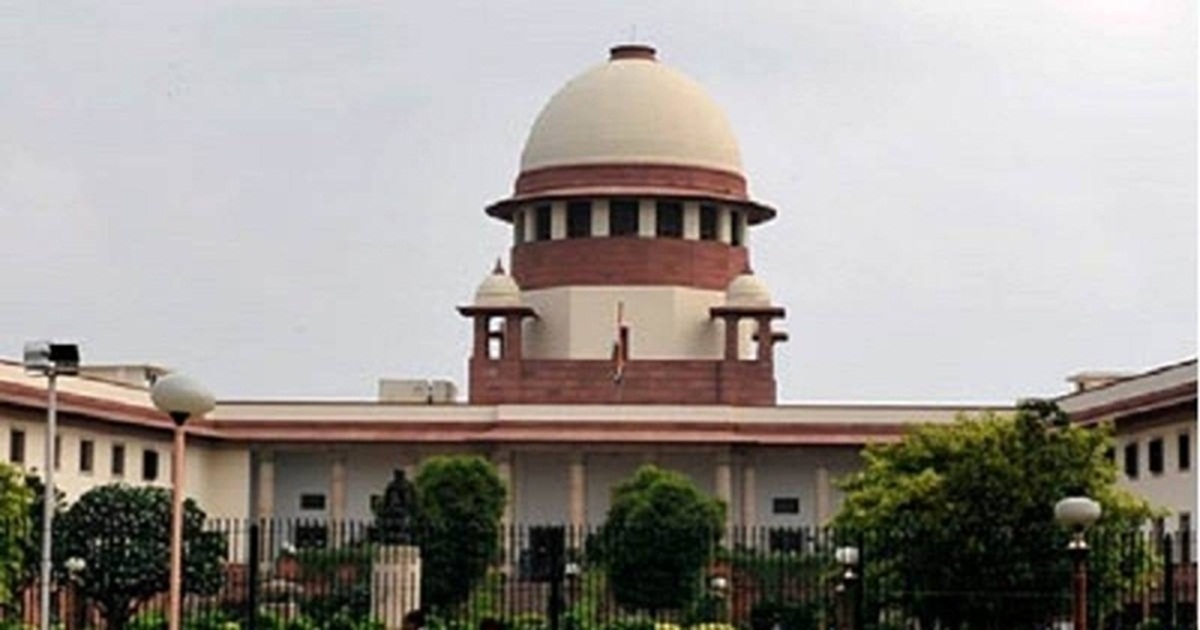
On Friday, the Supreme Court announced its intention to review the possibility of granting interim bail to Delhi Chief Minister Arvind Kejriwal on May 7, amidst the ongoing Lok Sabha elections. The apex court directed both the Enforcement Directorate (ED) and Kejriwal’s legal representatives to come prepared for a debate on interim bail during the upcoming hearing.
A bench comprising Justices Sanjiv Khanna and Dipankar Datta informed Additional Solicitor General SV Raju, representing the ED, that the hearing on Kejriwal’s plea against his arrest could potentially extend, prompting the court to consider the interim relief of bail. Raju clarified the ED’s stance, stating, “We are not saying anything on whether bail will be given or not. If bail is granted, then what can be the conditions, all the parties have to answer this.”
The Supreme Court also posed inquiries to the ED regarding Kejriwal’s ability to sign important documents while under scrutiny. The agency has been instructed to address this query during the next hearing. Additionally, the bench questioned the investigating agency about the status of attaching Kejriwal’s property, as per legal provisions.
The bench emphasized the need for comprehensive arguments on the interim bail plea during the scheduled hearing on May 7. This development arises from Kejriwal’s plea challenging his arrest by the ED. Currently, the Delhi chief minister is in judicial custody at Tihar Jail following his arrest on March 21.
The Supreme Court had earlier issued a notice to the ED on April 15, soliciting its response to Kejriwal’s plea. The Delhi High Court had previously upheld Kejriwal’s arrest on April 9, asserting that the ED’s actions were legitimate in light of his repeated evasion of summons and refusal to cooperate with the investigation. The case revolves around allegations of corruption and money laundering related to the Delhi government’s now-defunct excise policy for 2021-22.