Oman: The United States and Iran have taken a cautious but notable step toward easing long-running tensions after holding talks in Oman that both sides described as constructive. While Washington continues to tighten pressure through fresh sanctions, diplomatic channels remain open, with more discussions planned in the coming days. Here is a clear, simple breakdown of the developments and why they matter.
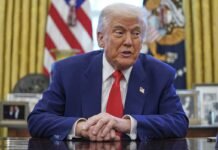
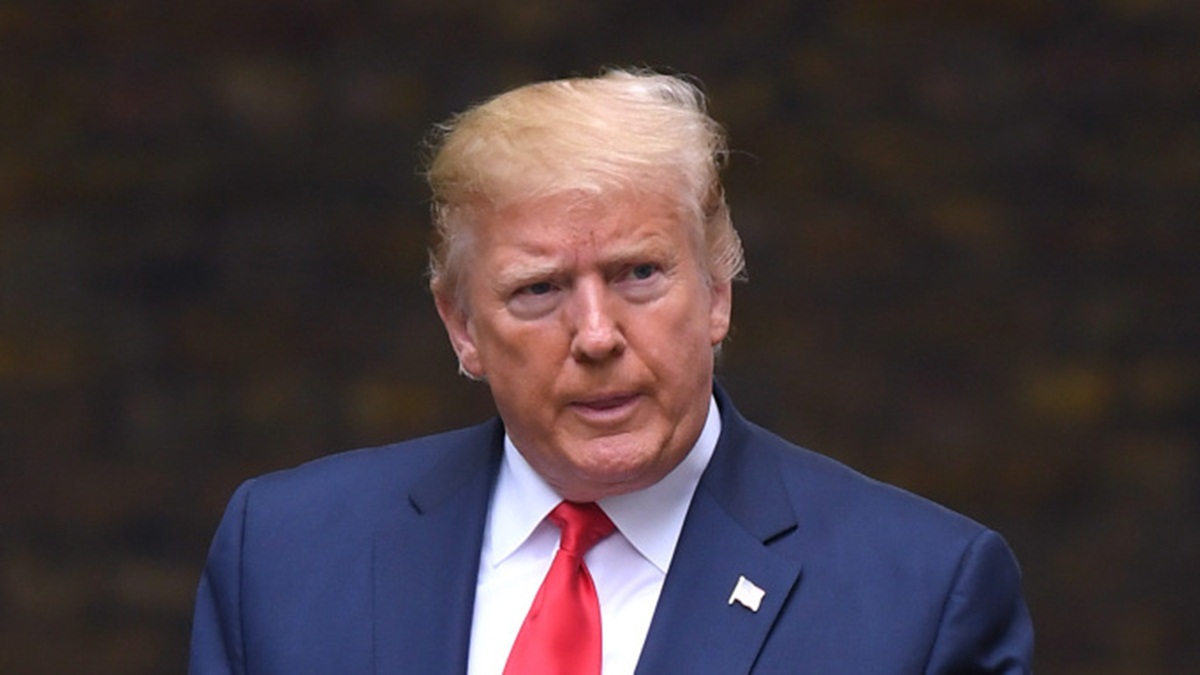
The meeting took place in Oman, a country that has often acted as a quiet bridge between Washington and Tehran. US President Donald Trump said the discussions were “very good” and suggested Iran appears keen to reach an agreement, especially on the nuclear issue.
At the same time, Trump underlined that diplomacy would not drag on endlessly and warned that failure to reach a deal would bring serious consequences.
Key developments in 10 points
- Talks held in Oman:
The discussions were hosted at a location near Muscat’s international airport, with Oman once again playing the role of mediator between the two rivals. - Positive tone from Washington:
President Donald Trump publicly described the talks as “very good” and said Iran seems eager to make a deal. - Clear warning from Trump:
Trump cautioned that if no agreement is reached, Iran would face “very steep consequences,” signalling continued pressure. - More talks next week:
The US president confirmed that further discussions are planned, indicating that dialogue is still active. - Sanctions remain in place:
Despite the talks, the US has imposed new sanctions aimed at curbing Iran’s oil exports, keeping economic pressure high. - Military option not immediate:
Trump said US naval forces are positioned near Iran but stressed that Washington is not rushing toward military action. - Iran calls for calm atmosphere:
Iranian Foreign Minister Abbas Araghchi said meaningful negotiations can only happen without threats or pressure. - Trust deficit acknowledged:
Iran admitted that deep mistrust remains a major hurdle and must be addressed before progress can be made. - Oman sees room for progress:
Omani officials said the talks were useful and helped identify areas where both sides could move forward. - Regional tensions still high:
The dialogue comes amid wider instability in the Middle East and heightened US military presence in the region.
Overall, the Oman talks reflect a familiar pattern in US–Iran relations: cautious engagement paired with strong pressure. While both sides appear willing to keep talking, major differences remain unresolved. The coming round of discussions will be crucial in determining whether diplomacy can prevent another escalation in an already volatile region.