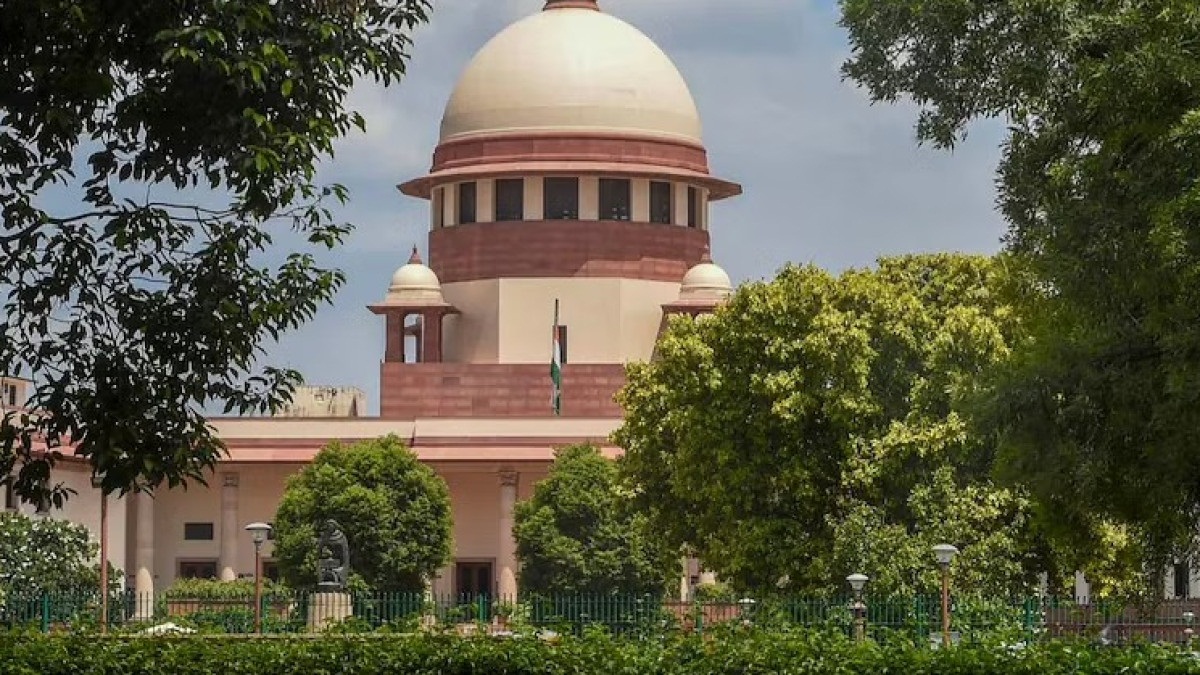
Supreme Court: In a crucial ruling with wide political and social implications, the Supreme Court on Monday declined to stay the Waqf (Amendment) Act, 2025 in its entirety, making it clear that there was no case for such a sweeping order. However, the apex court did intervene on several controversial provisions, granting interim protection until further clarity is established.
Hearing multiple petitions challenging the amendments, the bench observed that while the Act would largely remain in force, certain sections raised serious constitutional concerns.
The Supreme Court specifically stayed the five-year practitioner of Islam clause, which mandated that a person must have practiced Islam for at least five years to create a Waqf. The court said this provision would remain suspended until state governments frame detailed rules on how such eligibility would be determined.
In another strong observation, the court also stayed the empowerment of district collectors to decide whether a Waqf-declared property is government land. The bench held that district collectors cannot be allowed to adjudicate on property rights of private citizens, as such powers would amount to a violation of the separation of powers principle.
The bench further addressed the controversial provision on non-Muslim representation in Waqf Boards and Councils. For now, it ruled that not more than three non-Muslims shall be part of any Waqf Board, and not more than four in total may be included in Waqf Councils.
The court’s order strikes a balance between allowing the law to operate and safeguarding citizens’ rights until a final verdict is reached. Legal experts say this ruling will significantly shape debates around the scope, governance, and inclusivity of Waqf institutions in India.