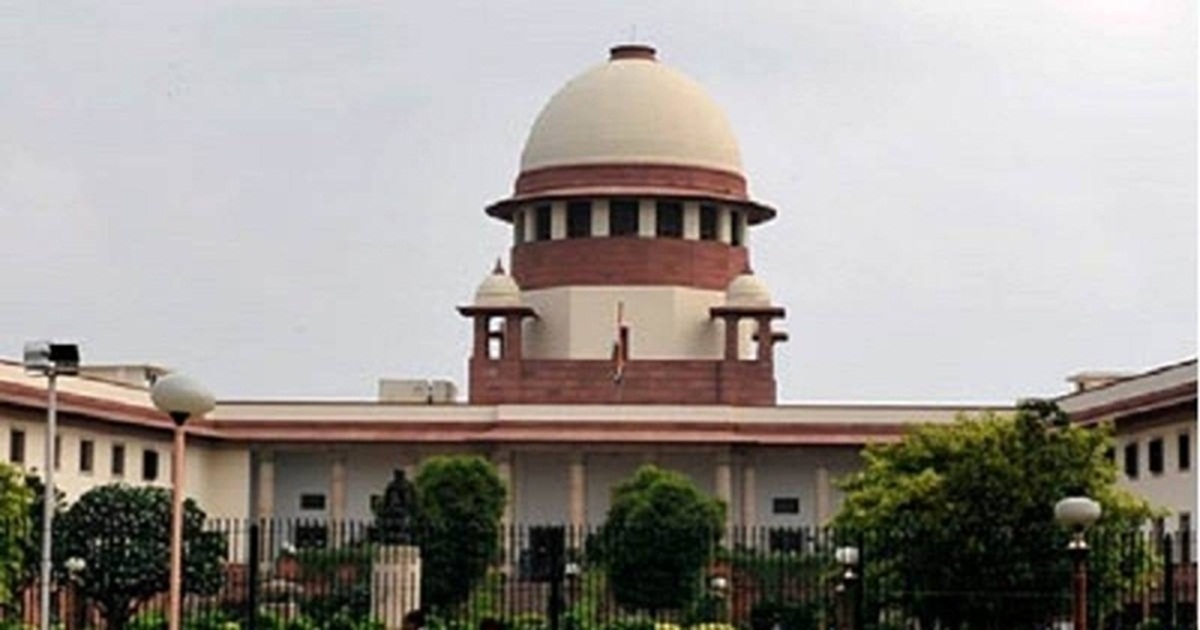
New Delhi: In a landmark and emotionally charged verdict, the Supreme Court of India has invoked its extraordinary powers under Article 142 of the Constitution to withhold sentencing in a POCSO case, where a man convicted of having a sexual relationship with a minor later married the victim, now an adult.
The apex court bench comprising Justices Abhay S Oka and Ujjal Bhuyan, in its judgment on May 23, upheld the conviction of the accused but chose not to impose a punishment—citing “extraordinary circumstances” and the imperative to ensure “complete justice.”
The case had earlier sparked nationwide debate after the Calcutta High Court in 2023 controversially acquitted the man, setting aside his 20-year sentence under the POCSO Act. The High Court’s remarks—that adolescent girls should “control sexual urges” and are seen as “losers” in such encounters—triggered widespread outrage and drew stern criticism. The Supreme Court intervened not only to review the acquittal but also to address the problematic language used by the lower court.
On August 20, 2024, the SC reversed the Calcutta High Court’s acquittal and reinstated the man’s conviction. However, before deciding on punishment, the Court ordered a fact-finding assessment of the victim’s current circumstances.
The West Bengal government was directed to constitute an expert panel including professionals from institutions such as NIMHANS, TISS, and a child welfare officer. The panel’s report revealed that the victim had formed a close emotional bond with the accused, now her husband and father of their child. The report further underscored her lack of informed choice, failures by the legal and familial systems, and her ongoing educational challenges.
Quoting LiveLaw, the Court observed: “She did not have the opportunity to make an informed choice earlier. The system failed her at multiple levels.”
In its final ruling, as reported by Bar & Bench, the Court powerfully remarked: “The society judged her, the legal system failed her, and her own family abandoned her… Though the incident is seen as a crime in law, the victim did not accept it as one… What she had to face as a consequence was the police, the legal system, and a constant battle to save the accused from punishment.”
By invoking Article 142, the Supreme Court ensured that justice was tempered with compassion, marking a rare instance of the judiciary prioritising a survivor’s lived reality and dignity over strict legal compliance.