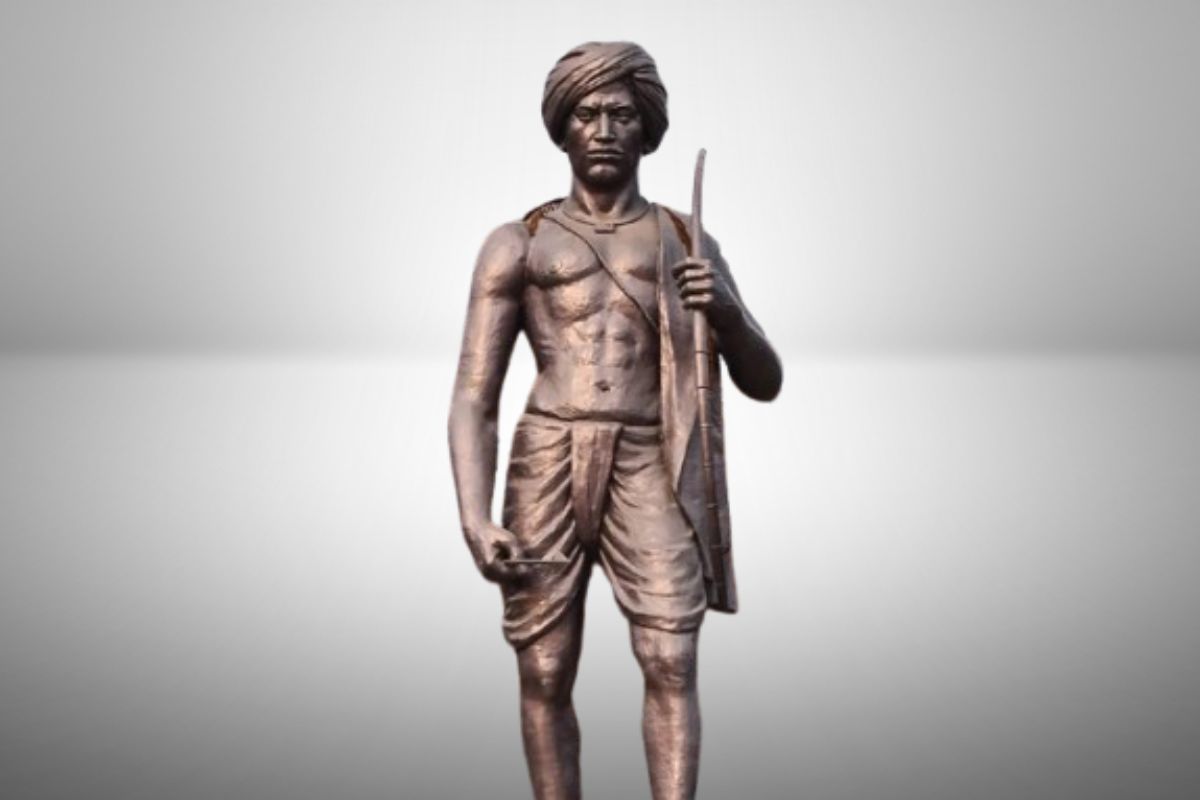
New Delhi: The Government of India commemorated the 150th birth anniversary of Bhagwan Birsa Munda with an unprecedented year-long celebration by declaring the period from 15 November 2024 to 15 November 2025 as Janjatiya Gaurav Varsh. This marks the biggest national honour ever extended to tribal communities. The government also institutionalised the celebration of Birsa Munda’s birth anniversary as Janjatiya Gaurav Diwas, establishing a nationwide tradition of honouring tribal heroes.
A major highlight of the initiative has been the launch of the Adi Karmayogi Abhiyan, the world’s largest tribal leadership mission, designed to reach 11.5 crore tribal citizens across one lakh villages in 30 states and Union Territories. In a historic first, tribal villages across India released their Gram Drishtikon 2030 declarations on 2 October 2025—community-driven development visions aligned with the broader national goal of Viksit Bharat 2047.
Over the past decade, tribal welfare has witnessed record investment. The budget of the Ministry of Tribal Affairs has tripled from ₹4,295 crore to ₹14,926 crore, the highest allocation ever by any government. Two major tribal-centric initiatives—PM-JANMAN and the Dharti Aba Abhiyan—received unprecedented financial backing, with ₹24,104 crore and ₹79,156 crore respectively. These programmes have significantly influenced areas such as poverty reduction, education, healthcare, and livelihood enhancement.
The Development Action Plan for Scheduled Tribes (DAPST) has also been strengthened historically, with allocations increasing from ₹24,598 crore to ₹1.23 lakh crore. A total of 42 ministries now directly contribute to tribal development, marking the largest cross-ministerial effort for Scheduled Tribe communities to date.
Education has been at the forefront of reform, with Eklavya Model Residential Schools now established in every eligible block, benefiting 3.5 lakh children. Scholarships have reached 30 lakh tribal students, and the scholarship budget has increased from ₹978 crore to ₹3,000 crore. In a landmark step towards inclusive higher education, tribal students can now appear for medical and technical entrance examinations in their mother tongue, opening new opportunities for the next generation.
Financial empowerment schemes have been significantly expanded. Under the Adivasi Mahila Sashaktikaran Yojana, the loan limit has been raised from ₹50,000 to ₹2 lakh. Term loan limits have been increased from ₹10 lakh to ₹50 lakh, and the upper limit for education loans has been doubled from ₹5 lakh to ₹10 lakh.
Livelihood initiatives have also seen major expansion. The Van Dhan Kendra network now comprises more than 4,000 centres, directly benefiting 12 lakh tribal families. More than 90 forest products have been brought under the Minimum Support Price system, ensuring better market security for tribal gatherers.
Healthcare access in tribal regions has improved dramatically under the National Sickle Cell Anaemia Mission, which screened 4.5 crore tribal citizens within a year. Ayushman Arogya Mandirs and mobile medical units have been deployed in remote areas, bringing organised medical services to many locations for the first time.
The government has also prioritised recognition and justice for tribal communities by adding 117 new communities to the Scheduled Tribes list between 2014 and 2024—a tenfold increase compared to the previous decade. A powerful symbol of this era of empowerment is India’s first citizen, President Droupadi Murmu, who herself belongs to the tribal community.
Together, these initiatives mark the most ambitious tribal empowerment push in India’s history, reflecting the government’s stated commitment to honouring, uplifting, and integrating the country’s diverse tribal communities into the vision of a Viksit Bharat 2047.