Regulator says science-based framework will balance public health concerns and industry growth amid debate on ultra-processed foods
New Delhi: India’s food regulator is working on a science-driven regulatory framework aimed at balancing public health concerns with ease of doing business, a senior Food Safety and Standards Authority of India (FSSAI) official said on Thursday. Dr Satyen Kumar Panda, Advisor to FSSAI and holding additional charge as Executive Director of the Regulatory Committee, said the authority is introducing regulatory reforms to create a more enabling environment for the food industry while maintaining strong health safeguards.
Speaking at the FICCI Symposium – “Decoding the Science Behind Ultra-Processed Foods (UPF) Hype”, Panda said the regulator is designing policies that reflect India’s diverse food landscape while aligning with global best practices. “As the national food regulator, our objective is to build a structured, science-based regulatory framework that is both pragmatic and supportive of innovation while safeguarding consumer health,” Panda said.
Over the past few years, FSSAI has introduced several regulations and guidelines aimed at addressing concerns around processed food consumption and encouraging the development of healthier food products, he added.
Panda also revealed that recent amendments to food business licensing and registration regulations have increased the threshold limits for both registration and state licences. A detailed notification on these changes will be issued shortly, he said.
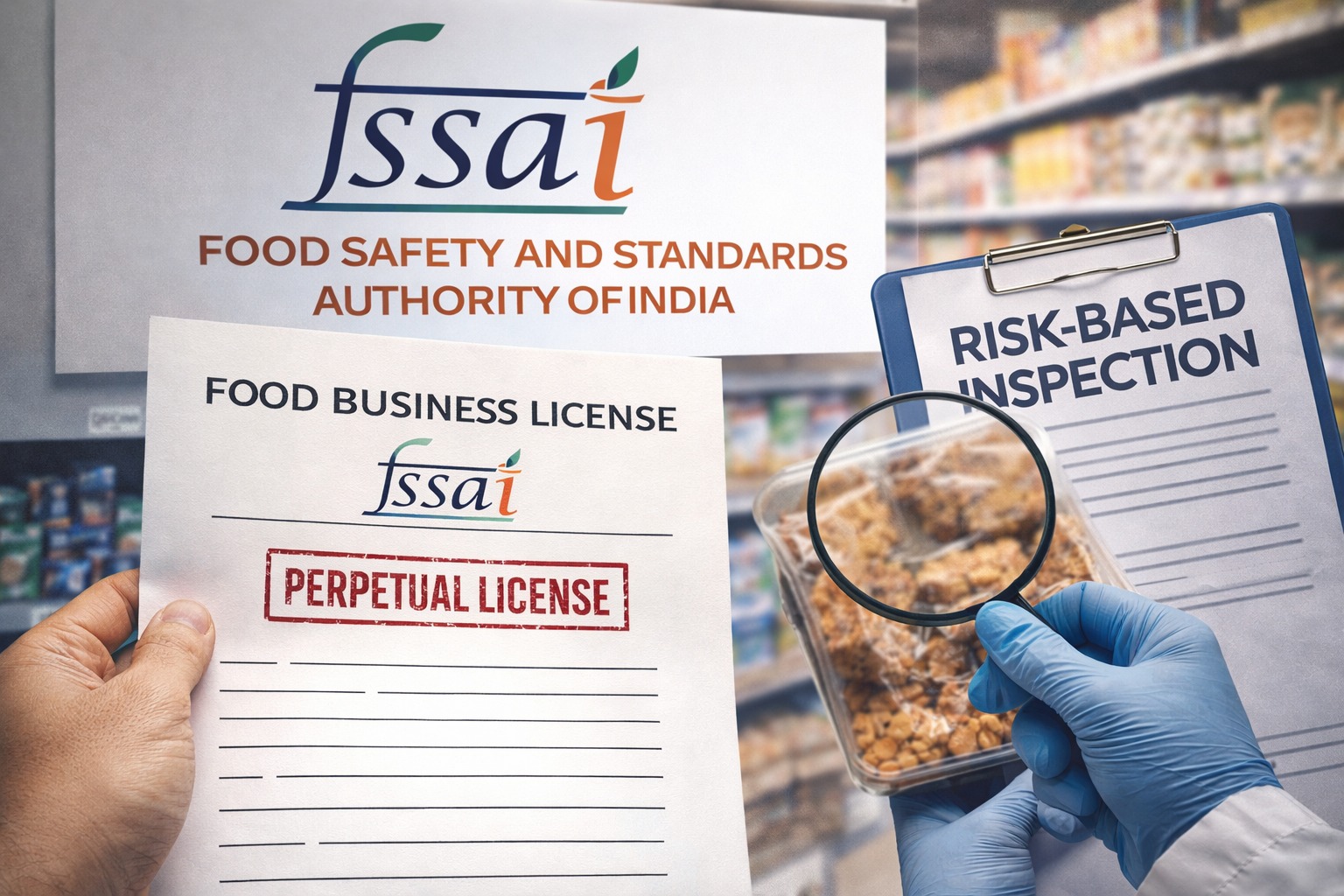
The regulator is also working on a perpetual licensing system for food businesses and a dynamic risk-based inspection system. These reforms are intended to simplify compliance while ensuring food safety standards remain strong. “Our commitment is to create an enabling environment that promotes both public health and business,” Panda said.
The symposium also saw the release of a FICCI Knowledge Paper titled “Understanding ‘Sugar’ and ‘Sugars’,” which aims to clarify the scientific and regulatory definitions surrounding different types of sugars used in food products. Panda said clearer definitions are essential to ensure consumer choices are guided by facts rather than perception.
However, industry representatives argued that regulatory pressure is disproportionately falling on the organised sector. Siraj Hussain, former Secretary in the Ministries of Food Processing Industries and Agriculture, said the packaged food industry is bearing most of the regulatory burden, while the unregulated or unbranded sector faces far fewer compliance requirements. “The entire regulatory burden of food is being borne by the packaged food industry. The unregulated or unbranded industry is not facing the same regulatory burden,” Hussain said.
Tarun Arora, President of FICCI-CIFTI, said rising urbanisation, lifestyle changes and increasing incomes are driving rapid growth in India’s packaged food sector. He stressed the need to promote consumer awareness, balanced diets, portion control and physical activity as part of a healthier food ecosystem.