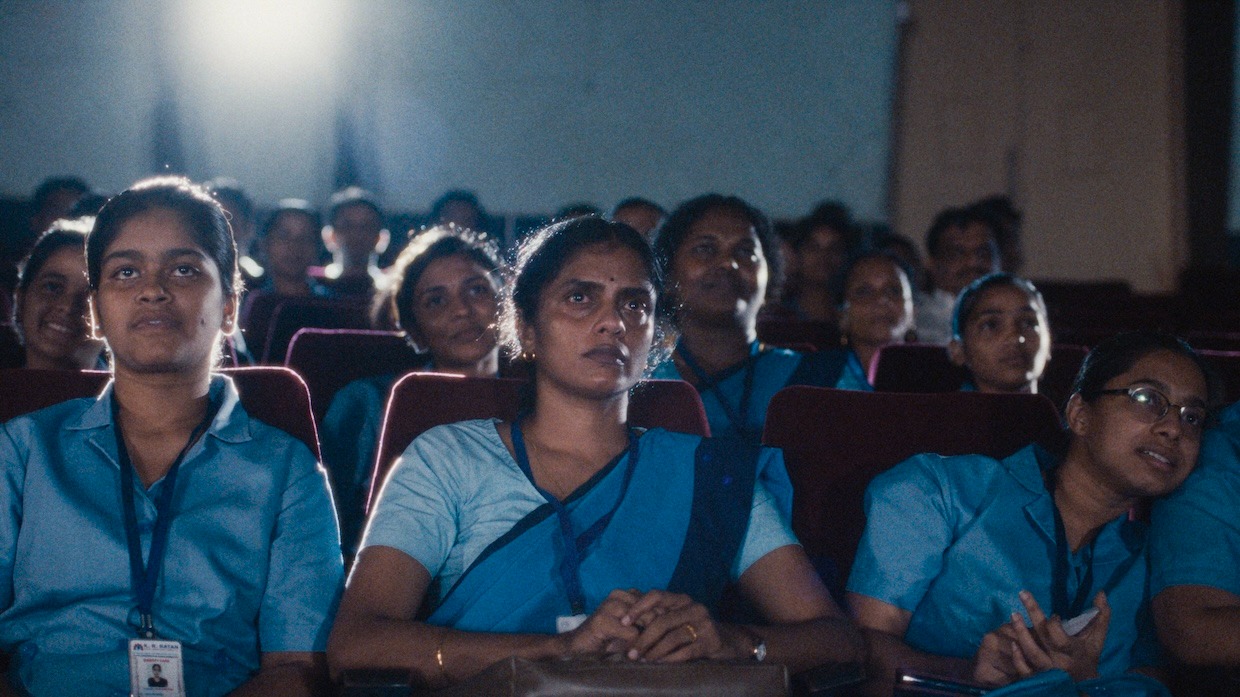
As Telugu, Marathi, Bengali, Malayalam and Gujarati films reshape the box office, Gen Z is turning to regional cinema not for escapism, but for stories that take social reality seriously – something Bollywood largely avoids.
For a long time, Bollywood has claimed to represent the Indian mainstream, but Gen Z is opting out of that claim. Across streaming platforms and cinemas, young viewers are gravitating towards regional films not because they are entertaining or aesthetically pleasing, but because they feel authentic. Marathi, Bengali, Telugu and Malayalam cinema is grappling with social conflict, moral ambiguity and everyday vulnerability in ways Hindi cinema has largely abandoned. This shift is not about language. It is about trust.
Mainstream Hindi cinema has relied heavily on spectacle, nostalgia and aspirational fantasy. Its world is glossy, uncomplicated, and its characters are insulated from structural realities. For Gen Z navigating an unstable economy, social inequality and political noise, these films often feel disconnected from lived experience. Regional cinema, by contrast, has stayed close to the ground.
Malayalam films rarely brand themselves as “issue-based”, yet they have consistently engaged with power, gender, family and morality. Films like Kumbalangi Nights, Thondimuthalum Driksakshiyum and Joji do not resolve the discomfort; they sit with it. Characters are portrayed as flawed, uncertain and conflicted. Actors like Fahadh Faasil have built their careers playing men shaped by circumstances rather than destiny. For Gen Z, this feels real.
Marathi cinema has confronted caste, class and institutional violence long before it became fashionable to do so, without glamourising any of it. Films like Fandry, Sairat and Court challenge audiences to examine the ways social hierarchy shapes our lives in profound ways. Sairat resonated because it did not glorify the love story; it showed the consequences the characters faced, which in many ways mirror present-day realities. Songs like Yad Lagla and Sairat Zaala Ji became lasting because they carried loss, not triumph. This refusal to prettify reality is what gives Marathi cinema its credibility with young viewers.
Also Read: Campus Identity: How Young People Are Reclaiming Their Cultural Roots
Bengali cinema speaks to Gen Z on a different register. Less spectacle, more interiority – loneliness, ambition and frustration given careful attention. These films prioritise emotional intelligence over crowd-pleasing. In an age of constant noise, this inward quality feels quietly radical.
Telugu cinema’s dominance at the national box office has challenged the assumption that scale and seriousness cannot coexist. Even in their grandest form, many Telugu films are rooted in questions of social identity, labour and dignity. The recent success of Gujarati cinema reinforces the same point. These films earn recognition not because of their region, but because they are specific.
What unites these industries is not genre but intent. Regional cinemas frequently address systemic inequality, make space for emotional discomfort and resist tidy resolution. Streaming platforms have dismantled the linguistic barrier; subtitles provide access, and it is the narrative’s seriousness that keeps viewers engaged.
The cultural rise of regional cinema is not a rejection of Hindi films per se. It is a rejection of superficiality. Gen Z want cinema that takes their world seriously – its tensions, contradictions and unresolved questions – rather than films that offer endless reassurance. Regional cinema has become their default not because it is niche, but because it listens.