By Kalpak Knowledge Institute (KKI)
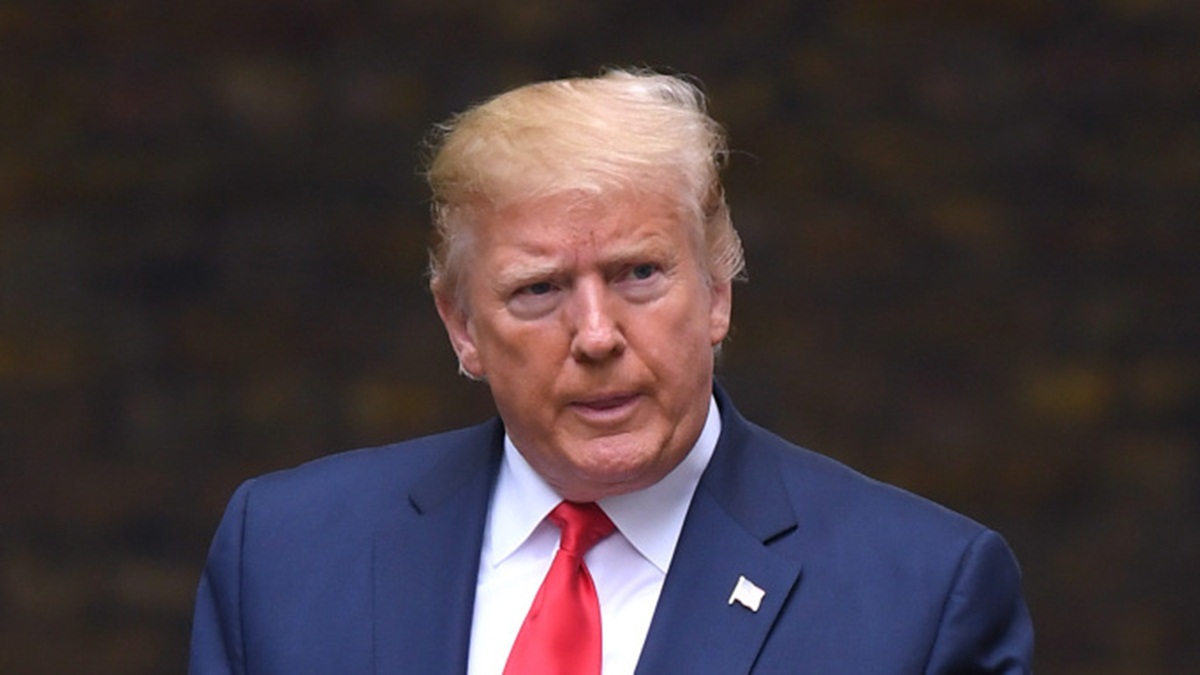
Mumbai: The United States’ decision to withdraw from the World Health Organization (WHO) may appear, at first glance, as a dispute between Washington and a UN agency. For India and much of the Global South, however, it is neither abstract nor distant. It touches the foundations of how pandemics are detected, how vaccines are shared, and how crises are managed when national systems are overwhelmed.
For countries like India, global health failures are not debated in conference halls. They surface first in overcrowded district hospitals, disrupted supply chains, and sudden policy improvisations under pressure.
India’s Quiet Dependence on Global Surveillance
WHO’s most critical function is not issuing advisories or holding press conferences. It is operating the world’s disease early-warning system — a network that quietly pools data from across continents and flags emerging threats before they spiral out of control.
India, with its dense population, expanding urbanisation, constant human–animal interface and high mobility, is structurally exposed to infectious disease risks. National capacity matters, but it is not enough. Early alerts about new variants, unusual outbreaks or antimicrobial resistance trends often come from beyond India’s borders.
A weakened WHO, especially one operating without full US participation, means slower information flows and fractured coordination. That is not a theoretical concern. Delays of weeks — sometimes even days — can change outcomes dramatically.
Also Read: US Pulls Out of WHO, Global Health Body Warns World Will Be “Less Safe”
When Global Systems Failed, India Felt It First
India does not need academic reminders of what fragmented global health governance looks like. During the second wave of COVID-19 in 2021, hospitals across Indian cities ran out of medical oxygen. States scrambled. District administrations improvised. Families searched overnight for cylinders and beds.
At the same time, India — despite being one of the world’s largest vaccine producers — was forced to halt exports under intense domestic pressure. Global solidarity collapsed into vaccine nationalism almost overnight.
These were not failures caused by WHO alone. But they were amplified by the absence of enforceable global coordination. The lesson was harsh and unmistakable: when multilateral systems weaken, countries like India pay the price first — in lives, not in statements.
Vaccine Equity: Power Still Matters More Than Capacity
WHO-led mechanisms during COVID-19 were imperfect, but they at least provided a shared framework — a language of equity, pooled access and emergency authorisation. Without such norms, future pandemics will be governed even more aggressively by bilateral deals and geopolitical leverage.
For the Global South, that means uncertainty.
For India, it means vulnerability despite manufacturing strength.
A world where vaccine access depends solely on power equations is a world where production capacity alone offers no guarantee.
The Pandemic Agreement: India’s Strategic Bet
India supported the WHO Pandemic Agreement not out of idealism, but pragmatism. As a major vaccine producer and a country with high exposure, India needs predictable rules — on pathogen sharing, benefit access and emergency cooperation.
The ongoing negotiations on the Pathogen Access and Benefit Sharing (PABS) system matter deeply for India. If the agreement loses credibility due to disengagement by major powers, it risks becoming another well-intentioned document with limited real-world impact.
For India, rule-based multilateralism is not a slogan. It is insurance against arbitrary decision-making during global crises.
The Funding Question Few Want to Address
The US has historically been one of WHO’s largest contributors. Its withdrawal raises an uncomfortable question: who fills the gap?
Cuts or uncertainty in funding do not affect Geneva first. They affect tuberculosis programmes, malaria surveillance, antimicrobial resistance monitoring and emergency response systems — particularly in South Asia and Africa.
India already carries a heavy domestic public health burden. Any weakening of global support mechanisms increases pressure on national and state health systems, especially during overlapping health and economic shocks.
Health Will Not Escape Geopolitics
Multilateral institutions do not remain neutral automatically. They remain credible because participation is broad and balanced. When a major power steps away, space opens — and someone else steps in.
For India, which has long argued for strategic autonomy and balance, this moment is delicate. There is an opportunity to play a stabilising role, but leadership without strong institutions is fragile. A fragmented WHO would make global health more political, not less.
Not a Defence of WHO — A Warning About Withdrawal
None of this suggests WHO is beyond criticism. COVID-19 exposed weaknesses in speed, communication and internal processes. Reform is necessary, and India has consistently argued for it.
But withdrawal is not reform. It is abdication.
For India and the Global South, the risk is clear: a world where global health cooperation becomes optional, where coordination gives way to power, and where the costs are borne by those least able to absorb shocks.
That is why the US exit from WHO should concern New Delhi — not as a diplomatic signal, but as a structural warning.