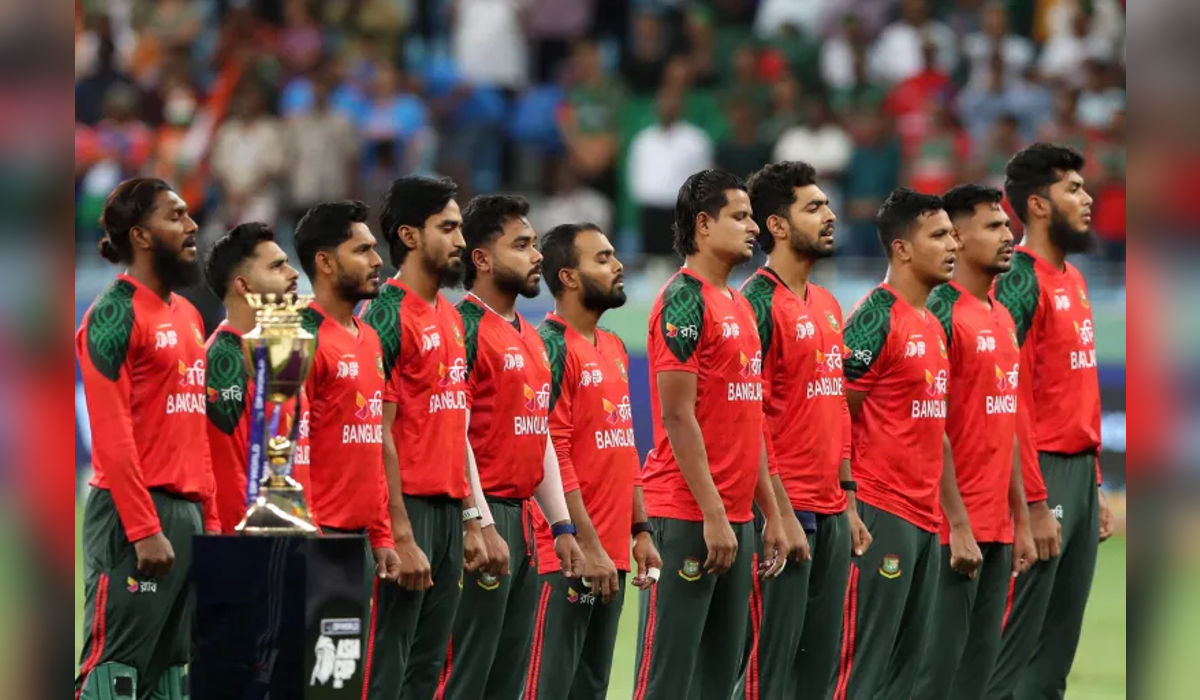
This article examines the proposed boycott of Bangladesh through the eyes of sport, where absence is always significant and players often bear the weight of decisions they did not make. It reflects on expectation, isolation, and the quiet cost imposed on athletes when global tensions step onto the field, turning national representation into a burden rather than a moment of pride
X: @anjanasasi
Mumbai: In South Asian cricket, “boycott” is more than a word. It brings politics, history, fear, and noise—often louder than the game itself. However, before it becomes a headline or a studio debate, it enters a more quiet space: the dressing room.
For Bangladeshi cricketers, even the ‘possibility’ of missing an ICC T20 tournament is not a strategic consideration. It’s an emotional realisation.
Cricket players do not train for controversies. They train for specific moments. They prepare for the anthem before the first ball, the nerves that settle only after the first run, and the fact that the entire cricketing world is watching at the same time. ICC tournaments are special opportunities for players from developing cricket nations, not routine assignments. Careers rise, stall, or change direction around them. That is why the idea of absence hurts more than defeat.
The Invisible Cost on the Player
Unlike boards, players do not calculate revenue shares or broadcast metrics. They count seasons, fitness cycles, and chances that may never return. A missed ICC tournament is not a gap year—it is a missing chapter.
Former Bangladesh captain Mashrafe Mortaza once said those words very clearly: “You don’t get many World Cups as a cricketer. It’s not just a tournament you lose when you lose one; it’s time, faith, and years you can never get back.”
For senior players, fear is time. Another World Cup might not fit their bodies and forms well. It’s even worse for younger players. A first ICC tournament is supposed to be a way to get to know the world, but the uncertainty makes it feel like a waiting room.
Yes, there is anger, but more often there is helplessness.
Players are expected to understand “larger causes” and represent the nation’s feelings, even without voting. They become symbols without their permission and athletes without their choices. They have to work hard to get their name on a headline. And yet, most of them still want to play. Their persistence is not due to a lack of concern for the situation, but rather because cricket is their language. Because being absent doesn’t feel like protesting; it feels like being erased.
The Financial Cost of a Hypothetical Boycott
Beyond feelings, there is an undeniable fact: a boycott would be very expensive.
ICC tournaments generate central revenue that is distributed among member boards. If Bangladesh pulls out, it could lose money and face penalties under ICC participation agreements and suffer a long-term dilution of Bangladesh’s financial standing within the ICC. The decision would harm the BCB’s finances, as it relies heavily on funding from the ICC. The withdrawal would hurt the BCB’s finances because it relies heavily on ICC funding.
Also Read: From Rookie to Record Holder: Nandini Sharma’s Historic Night at the WPL
There would also be a significant sponsorship fallout. Sponsors put money into getting more visibility and exposure on the ICC stage. A boycott would hurt Bangladesh’s commercial value, which could lead to renegotiating contracts, less confidence from sponsors, and losing deals in the future.
India’s matches get the most TV viewers in all of world cricket. Missing those fixtures directly affects broadcasting income, advertising-linked bonuses, and participation fees. In pure monetary terms, India’s fixtures subsidy smaller boards. Walking away is not a neutral act—it is a costly one.
As former opener Tamim Iqbal once remarked while discussing ICC exposure:
“These tournaments are where Bangladesh cricket survives and grows. Without them, players suffer, and so does the future.”
When Economics Meets the Human Cost
Yet, even these numbers don’t show the biggest loss. ICC tournaments attract Bangladeshi players from outside their region. This is the stage where scouts from the league pay close attention. This is the point at which opinions begin to be discussed. One defining spell or innings can significantly alter the trajectory of a career.
Former all-rounder Shakib Al Hasan has often spoken about the weight of such stages:
“World Cups define how players are remembered. Miss one, and people forget how wonderful you were.”
There is no verified evidence of direct threats to players in India-hosted ICC events. Security at such tournaments is among the most rigorous in global sport. However, players often experience anxieties that are not of their making.
Why Participation Still Matters
Bangladesh cricket is still consolidating its place in the global order. Its players need exposure, not isolation. They need strong opposition, not a symbolic withdrawal. ICC stages are not luxuries—they are necessities.
History shows that boycotts rarely wound the powerful. They almost always wound those still climbing. Which is why, time and again, Bangladesh has chosen to play. To show up. To compete. It is crucial to allow cricket to express itself in a way that politics cannot.
In contemporary cricket, active participation holds significant power. Visibility is currency. And for players who have spent their lives chasing one moment under lights, the cost of silence is simply too high.
The Silent Truth
In the end, the real story is not about whether a team plays or stays away. It is about the cricketer sitting alone after nets, wondering if years of preparation will ever find their stage. It is about the anthem that might not play. The jersey might remain folded.
A boycott can be analysed. A loss can be accepted.
But an opportunity taken away, for reasons unrelated to the game, leaves a scar no scorecard records. And that is the cost players live with long after the noise fades.