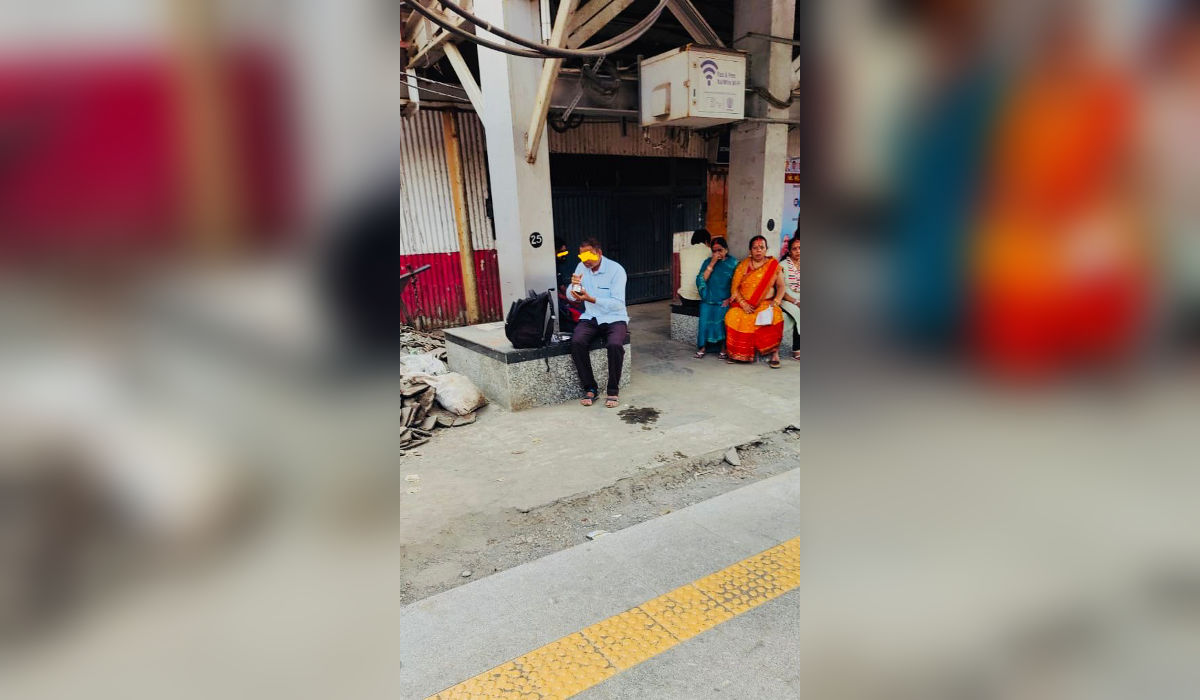
Mumbai: Thousands of Mumbai’s daily suburban railway commuters—largely middle-class and lower-income workers—are being forced to eat their home-cooked meals on crowded, dusty and unhygienic railway platforms due to the absence of basic seating and eating spaces at stations.
Highlighting this everyday but overlooked hardship, trade bodies including the Chamber of Associations of Maharashtra Industry and Trade (CAMIT) and the All India Electronics Association (AIEA) have formally urged the Ministry of Railways to create dedicated “Dignity Rooms” at Mumbai Suburban Railway stations.
In a representation addressed to Ashwini Vaishnav, the organisations have sought that such facilities be integrated into ongoing station redevelopment under the Amrit Bharat Station Scheme, aligning with the Government of India’s broader Ease of Living and Swachh Bharat initiatives.
A Daily Compulsion, Not a Choice
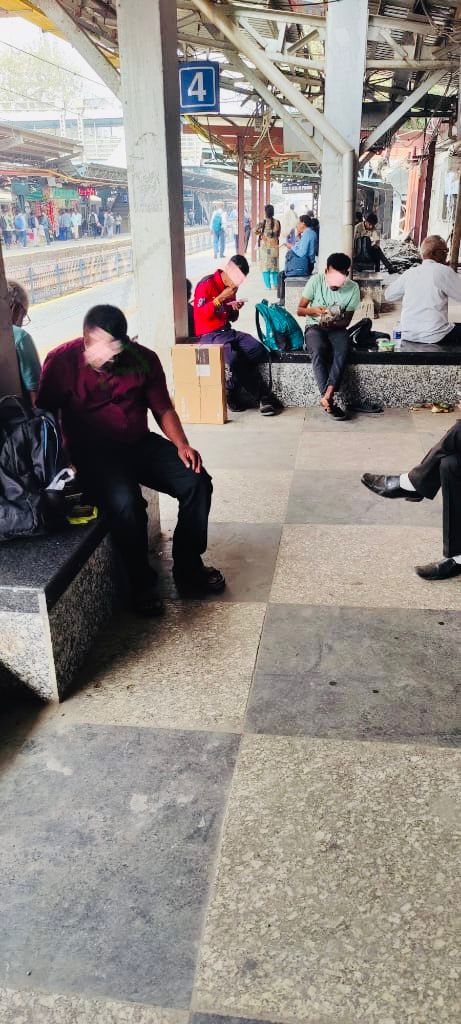
For lakhs of commuters working long hours with irregular shifts, eating outside food every day is unaffordable. As a result, they depend on home-cooked tiffin meals. However, in the absence of any designated space, commuters are compelled to eat while sitting on platform edges, station ledges, or standing near tracks—often amid dust, noise, crowds and poor sanitation.
The letter notes that this reality compromises personal dignity, hygiene, and public health, turning a basic human need into what the organisations describe as a form of “silent injustice.”
Photographs enclosed with the representation show commuters—office-goers, daily-wage workers and elderly passengers—eating meals on station platforms during peak and off-peak hours.
What Are ‘Dignity Rooms’?
The proposal calls for simple, low-cost facilities, including:
- Proper seating arrangements
- Fans and adequate lighting
- Drinking water
- Clean and accessible washrooms
“These are not luxury demands,” the letter states, “but basic human facilities that allow citizens to eat their own food with dignity.”
CSR-Backed, Low-Cost Model Suggested
To address budgetary constraints, CAMIT and AIEA have suggested a public-private partnership or CSR adoption model, allowing NGOs, trade bodies and corporates to adopt and maintain these rooms under Railway supervision.
According to the signatories, this makes the initiative high-impact yet financially viable, while directly benefiting Mumbai’s working population that depends on suburban trains for daily survival.
A Question of Urban Dignity
While Mumbai’s stations are being upgraded with escalators, lifts and modern infrastructure, the absence of a basic space for commuters to eat highlights a gap between infrastructure modernisation and humane urban planning.
The organisations have appealed for early consideration of the proposal, calling it a small intervention capable of restoring dignity to millions who keep the city running.