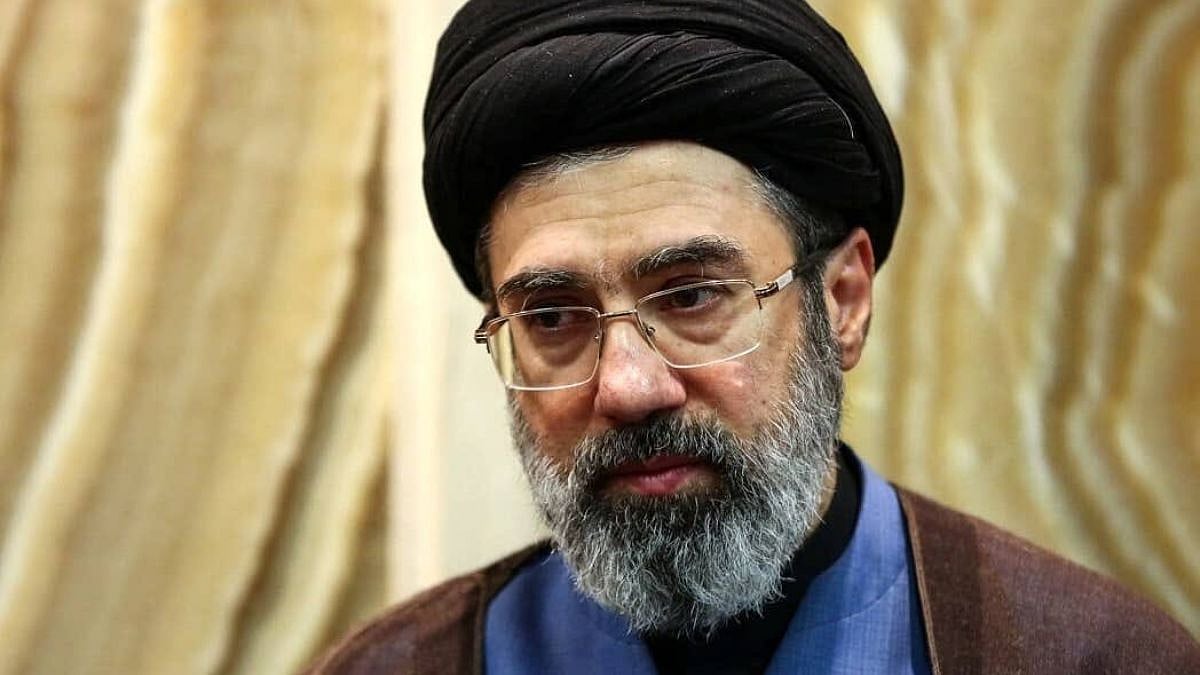
In a major political development in Iran, Mojtaba Khamenei has been appointed as the new Supreme Leader of the Islamic Republic. The decision was reportedly taken by the powerful Assembly of Experts, the body responsible for selecting and supervising the country’s highest authority.
The announcement was first reported by the Iranian state broadcaster Press TV on the social media platform X. Following the decision, the Assembly of Experts urged citizens to support the new leader and maintain national unity during the transition.
The appointment marks one of the most significant leadership changes in Iran in decades.
Son of Longtime Leader Ali Khamenei
Mojtaba Khamenei is the second-oldest son of Ali Khamenei, who served as Iran’s Supreme Leader for more than three decades. Although Mojtaba remained largely out of the public spotlight for many years, he has long been considered an influential figure within Iran’s political and religious establishment.
His elevation to the country’s highest leadership position is likely to shape Iran’s domestic politics and foreign policy in the coming years.
Early Life and Religious Education
Born on September 8, 1969, in Mashhad, Mojtaba Khamenei grew up in one of the most prominent political families in the country. He is the second among six children in the Khamenei family.
He completed his early education at the Alavi School in Tehran. At the age of 17, he briefly served in the military during the Iran–Iraq War, the eight-year conflict that had a lasting impact on Iran’s political and security outlook.
In 1999, Mojtaba moved to the religious city of Qom to pursue advanced Islamic studies. Unlike many clerics who begin their seminary training early in life, he only began wearing clerical robes later in his studies, which attracted attention within religious circles.
Rise to the Rank of Ayatollah
For many years, Mojtaba Khamenei was viewed as a mid-ranking cleric, which some analysts believed could limit his chances of becoming Supreme Leader.
However, in recent days, several Iranian media outlets began referring to him as “Ayatollah,” a senior religious title that carries greater authority in the Shiite clerical hierarchy.
Observers say this shift may have been intended to strengthen his religious standing ahead of the leadership transition. A similar situation occurred in 1989 when Ali Khamenei himself was elevated to the rank of Ayatollah shortly after becoming Supreme Leader.
Past Political Controversies
Mojtaba Khamenei first drew significant public attention during Iran’s 2005 presidential election that brought hardline leader Mahmoud Ahmadinejad to power.
Reformist politician Mehdi Karroubi accused Mojtaba of influencing the election through networks linked to the Islamic Revolutionary Guard Corps and the Basij militia.
The allegations resurfaced again during the disputed 2009 presidential election, which triggered widespread protests known as the Green Movement.
Major Challenges Ahead for New Leader
As the new Supreme Leader, Mojtaba Khamenei is expected to continue many of the policies associated with his father’s leadership. However, he will face significant challenges including economic pressures, domestic political tensions and growing regional conflicts.
The leadership transition also comes at a time of heightened geopolitical tension involving Iran.
Recently, Israel’s defence minister warned that whoever succeeded Ali Khamenei would become “an unequivocal target for elimination,” highlighting the volatile environment surrounding Iran’s leadership change.
With the new Supreme Leader now in place, the coming months are expected to play a critical role in shaping Iran’s political direction and its relations with the wider world.