Chennai: As Tamil Nadu slowly moves into election mode for the 2026 Assembly polls, political conversations across the state are increasingly revolving around one key name — actor-turned-politician Vijay and his party, Tamilaga Vettri Kazhagam (TVK). Though still a relatively new political formation, TVK has managed to disrupt the traditional narrative dominated by the DMK, AIADMK, and national parties.
Vijay’s political positioning has been deliberately sharp and unconventional. By maintaining a critical stance against both the ruling DMK and the BJP-led Centre, TVK has carved out a distinct identity that appeals to young voters, first-time voters, and those disillusioned with established parties. This approach has kept the party constantly in public discussion, even without contesting a major election so far.
With elections approaching, the biggest question troubling political observers is whether TVK will remain independent or enter into a strategic alliance. Recent political signals have only added fuel to this speculation. AIADMK leaders, including party general secretary Edappadi K Palaniswami, are believed to have conveyed internally that the party is not ruling out fresh alliances to strengthen its electoral prospects. In this context, emerging parties like TVK are being viewed as potential game-changers rather than fringe players.
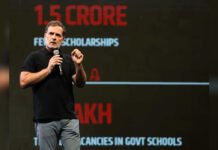
Meanwhile, the Congress has also unexpectedly entered the conversation. Rahul Gandhi’s public support for Vijay during the controversy surrounding Jana Nayagan was seen by many as more than just a cultural statement. His remarks defending Tamil identity and artistic freedom were widely interpreted as a political gesture, sparking discussions about a possible understanding between Congress and TVK in the future.
On the other side, BJP leaders have intensified calls for opposition unity against the DMK, urging like-minded parties to rally under the NDA banner. However, TVK’s openly critical view of the BJP makes such a tie-up appear difficult, at least for now.
At present, TVK stands at a strategic crossroads — opposing the DMK and BJP while keeping channels open with Congress and regional forces. Whether this flexibility turns into a masterstroke or creates confusion among voters will only be clear closer to 2026.