
A new FICCI knowledge paper calls for science-based regulation and clearer definitions of sugars as policymakers balance public health concerns with the rapid growth of India’s packaged food industry.
X: @vivekbhavsar
NEW DELHI: Across the world, ultra-processed foods — from packaged snacks and sugary drinks to ready-to-eat meals — are increasingly being blamed for rising obesity and lifestyle diseases. Now the debate is beginning to take shape in India as policymakers, health experts and the food industry weigh in on how these products should be regulated.
A new knowledge paper released by industry body FICCI argues that discussions around sugar and processed foods often ignore important scientific distinctions and risk oversimplifying a complex issue.
The report, titled Understanding ‘Sugar’ and ‘Sugars’, attempts to clarify how different types of sugars are defined in food science and how they are interpreted in food regulations. It also calls for policy discussions to be guided by scientific evidence rather than perception.
The paper comes at a time when India’s food regulator, the Food Safety and Standards Authority of India (FSSAI), is also working on regulatory reforms aimed at balancing public health concerns with the growth of the country’s rapidly expanding food industry.
The Global Scrutiny of Ultra-Processed Foods
Over the past decade, ultra-processed foods have become one of the most debated subjects in global nutrition discussions.
These foods are typically industrially manufactured products that may contain multiple ingredients such as refined sugars, oils, flavour enhancers, preservatives and stabilisers. Packaged snacks, sugary beverages, instant noodles and ready-to-eat meals are often included in this category.
Several international studies have linked high consumption of ultra-processed foods with increased risks of obesity, diabetes and cardiovascular diseases.
As a result, some countries have introduced stricter food labelling regulations. Chile and Mexico, for instance, require warning labels on food products that contain high levels of sugar, salt or fat. Similar discussions are taking place in several other parts of the world.
The debate is not unique to India. Across the world, governments are grappling with how to regulate modern food systems without restricting consumer choice or stifling innovation in the food industry. While some countries have moved towards stricter warning labels and taxes on sugary products, others are focusing on improving consumer awareness and food literacy.
India’s approach is still evolving.
India’s Packaged Food Market Is Expanding
India’s food consumption patterns have been changing rapidly over the past two decades.
Urbanisation, rising incomes and busier lifestyles have pushed many consumers towards convenience foods. Online grocery platforms and modern retail chains have further expanded the availability of packaged food products across cities and towns.
Industry representatives argue that this shift reflects broader social and economic changes rather than simply dietary trends.
According to industry estimates, India’s packaged food market is expected to grow significantly in the coming years as urban populations expand and consumption patterns continue to evolve.
Supporters of the food industry also point out that modern food processing can improve food safety, extend shelf life and reduce spoilage — an important factor in a country where food wastage remains a concern.
However, health experts warn that increasing consumption of highly processed foods could contribute to rising lifestyle diseases.
What the FICCI Knowledge Paper Says
The FICCI report seeks to bring greater clarity to the debate by explaining the different types of sugars commonly used in food products.

According to the report, confusion often arises because the term “sugar” is frequently used as a broad label without distinguishing between various categories.
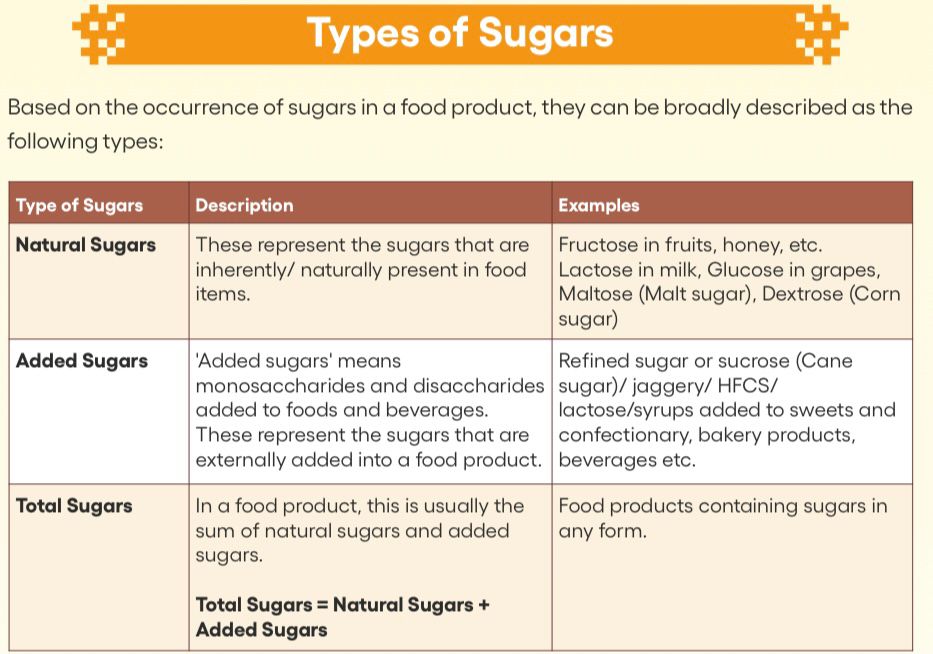
The paper identifies four key types of sugars discussed in nutrition science.
Natural sugars occur naturally in foods such as fruits, vegetables and milk.
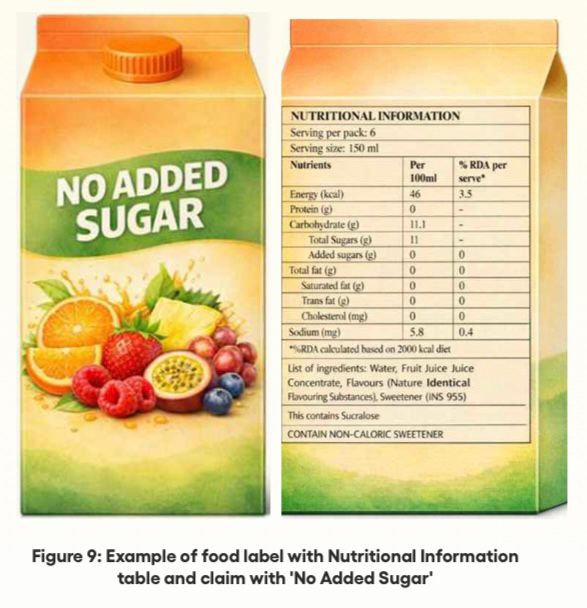
Added sugars are sugars that manufacturers add during food processing or preparation.
Free sugars include added sugars as well as sugars naturally present in honey, syrups and fruit juices.
Total sugars represent the overall amount of sugar present in a food product.
The report argues that failing to distinguish between these categories can lead to misleading conclusions about the health impact of certain foods.
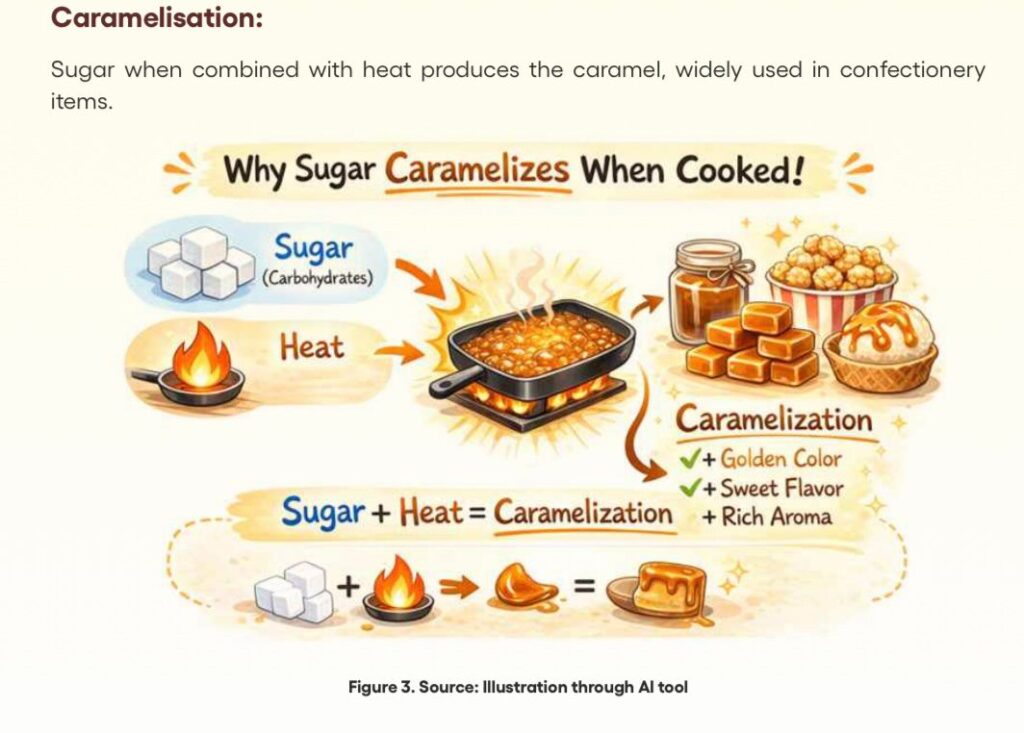
It also notes that food processing itself is not inherently harmful. Many processed foods undergo treatments that improve safety, extend shelf life and maintain nutritional quality.
Industry groups believe that public discussions sometimes overlook these aspects.
Industry Voices Concern
Industry representatives say the organised packaged food sector already operates under significant regulatory scrutiny.
Siraj Hussain, former Secretary in the Ministries of Food Processing Industries and Agriculture, said that the packaged food industry often carries a larger regulatory burden than other segments of the food sector.
“The entire regulatory burden of food is being borne by the packaged food industry,” Hussain said during a recent discussion.
He added that many products in the unregulated or informal food sector do not face the same level of compliance requirements even though their nutritional content may also raise health concerns.
Industry leaders argue that policy discussions should address the broader food ecosystem rather than focusing exclusively on packaged products.
FSSAI’s Balancing Act
India’s food regulator is aware of the competing pressures.
Speaking at a symposium on ultra-processed foods organised by FICCI, Dr Satyen Kumar Panda, Advisor at FSSAI, said the authority is working towards a science-based regulatory framework that protects public health while also supporting business growth.
FSSAI is currently considering several reforms aimed at improving the regulatory environment for food businesses.
These include the introduction of a perpetual licensing system for food business operators as well as a dynamic risk-based inspection system.
Recent amendments to licensing and registration regulations have also increased the threshold limits for registration and state licences, which could simplify compliance for many food businesses.
According to Panda, the regulator’s objective is to create an enabling environment that promotes both public health and ease of doing business.
Health Experts Remain Concerned
Despite the industry’s arguments, many public health experts remain cautious about the increasing presence of ultra-processed foods in everyday diets.
India already faces a growing burden of lifestyle diseases.
Studies have shown rising levels of obesity, diabetes and other metabolic disorders, particularly in urban areas. Nutrition researchers believe that high sugar intake is one of the contributing factors.
Some experts have also called for clearer front-of-pack labelling so that consumers can better understand the nutritional content of the food they purchase.
Others argue that stronger regulatory measures may eventually be required to discourage excessive consumption of high-sugar products.
The debate is far from settled.
Consumer Awareness May Be the Key
Both policymakers and industry representatives agree that consumer awareness will play a crucial role in shaping healthier diets.
Tarun Arora, President of FICCI-CIFTI, said improving public understanding of nutrition is essential.
He emphasised the importance of balanced diets, portion control and regular physical activity in addressing lifestyle diseases.
Greater awareness of food labels and nutritional information could also help consumers make more informed choices.
India’s Food Policy at a Crossroads
India now finds itself at the centre of an important policy debate.
On one hand, the packaged food industry is an important part of the country’s growing food economy and supports a wide network of manufacturing, logistics and retail businesses.
On the other hand, rising concerns about public health are pushing policymakers to reconsider how sugar consumption and processed foods should be regulated.
The FICCI knowledge paper highlights one side of the conversation, calling for science-based definitions and regulatory clarity.
But the broader debate over ultra-processed foods and sugar consumption is likely to continue as researchers, regulators and industry groups examine the evidence.
For India, the challenge is not simply about regulating sugar or processed foods. It is about finding the right balance between protecting public health and supporting the growth of a rapidly evolving food industry.
— TheNews21 Policy Analysis