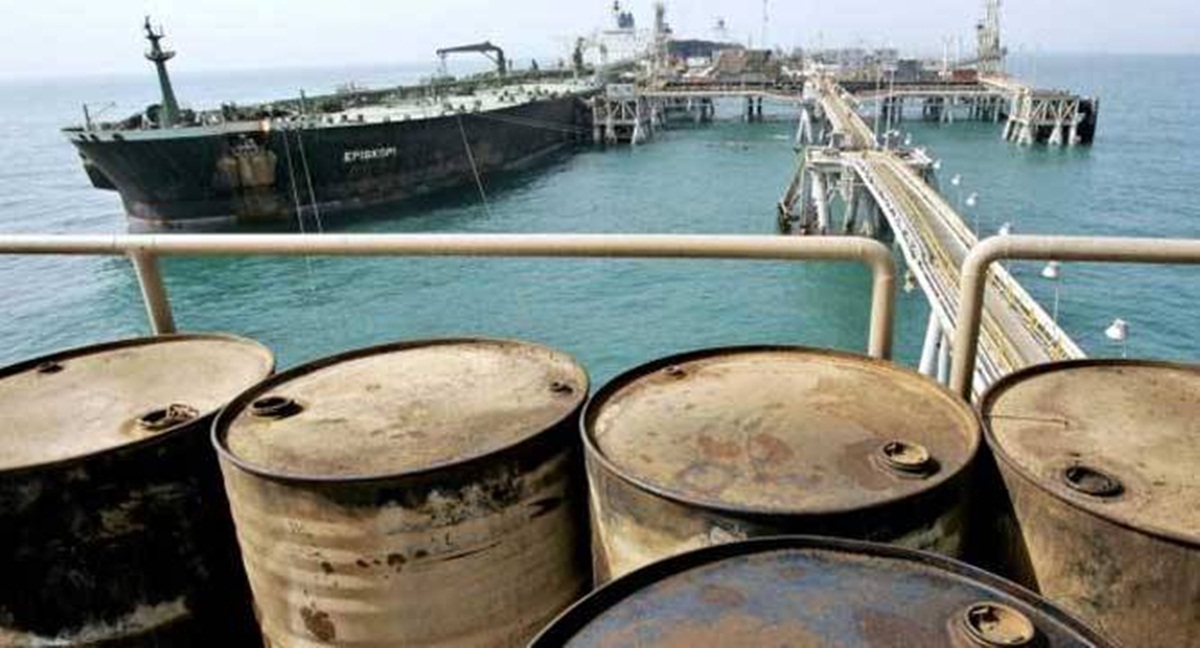
Global oil markets witnessed a sharp surge as crude prices crossed the $100 per barrel mark following escalating tensions involving Iran. The conflict has disrupted shipping routes through the strategically important Strait of Hormuz, sending shockwaves across global energy markets.
The price surge occurred after tanker traffic slowed sharply in the region due to security concerns linked to the conflict. Shipping companies have reportedly begun avoiding the route, raising fears of a major supply disruption and pushing energy markets higher.
Why Did Global Oil Prices Cross $100 Per Barrel?
Oil prices surged after tensions involving Iran began affecting tanker movements through the Strait of Hormuz, one of the world’s busiest oil transit routes. When shipments slow or stop in this narrow waterway, global oil supplies tighten quickly, leading to rapid price increases in international markets.
Why Is the Strait of Hormuz Critical for Global Oil Supply?
The Strait of Hormuz connects the Persian Gulf with global shipping routes and carries a significant portion of the world’s crude oil and liquefied natural gas exports. Because many major oil-producing countries depend on this passage for exports, even minor disruptions can immediately impact global energy supply chains.
Brent and WTI Crude Record Major Weekly Gains
According to market data, West Texas Intermediate crude surged by more than 20 percent, jumping around $18 to reach approximately $109.75 per barrel.
Meanwhile, Brent crude rose more than 18 percent, touching nearly $109.50 per barrel. Analysts say the increase represents one of the biggest weekly gains in oil futures trading since the early 1980s.
The surge was triggered by supply concerns after several Middle East producers began reducing output as export routes through the Strait of Hormuz became uncertain.
Donald Trump Defends Rising Oil Prices
Reacting to the surge in oil prices, Donald Trump defended the temporary spike, arguing that it was a necessary cost linked to addressing Iran’s nuclear threat.
Posting on the social media platform Truth Social, Trump wrote that short-term oil price increases were a small price to pay for global safety and peace, suggesting that prices could fall once the Iran nuclear threat is resolved.
How Are Global Markets Reacting to the Oil Price Surge?
Financial markets across Asia reacted quickly to the sudden energy price spike. Major stock markets opened sharply lower as investors worried about economic instability caused by higher fuel costs.
Japan’s benchmark index fell nearly five percent, while South Korea’s stock market dropped more than seven percent. Both countries depend heavily on imported energy and are particularly vulnerable to disruptions in oil shipments from the Persian Gulf.
Analysts Warn Oil Could Rise Even Higher
Energy experts say the situation could worsen if the conflict continues for a prolonged period. Some forecasts suggest crude oil prices could climb as high as $143 per barrel by the end of the year.
Energy historian Daniel Yergin warned that the disruption could become one of the largest in global oil production history if supply routes remain unstable.
Could the Iran Conflict Trigger Another Global Oil Shock?
Economists say the impact of the crisis could be especially severe for energy-importing economies in Asia and Europe. Continued disruptions in the Persian Gulf could trigger a supply shock similar to past energy crises.
Historically, events such as the 1973 Oil Crisis and the Iranian Revolution caused major oil price spikes and global economic slowdowns.
With tensions continuing in the region, governments and investors are closely watching developments that could reshape global energy supply and potentially trigger another global oil shock.